








































Originally published on Forbes.com June 17th, 2014

J. Paul Reddam, whose horse, “I’ll Have Another”, won two legs of the Triple Crown in 2012, just got some bad news from the Ninth Circuit. The Tax Court decision that upheld the denial of his $50,164,421 capital loss from a 1999 KPMG designed “OPIS” scheme has been upheld. The OPIS scheme was intended to shelter his capital gain from the sale of subprime lender Ditech to GMAC.
The Tax Court decision had focused on “economic substance”. The idea is that Mr. Reddam would not have entered into the deal were it not for its purported tax losses that were so far out of proportion to his investment.
After considering the evidence, the court concluded that Reddam’s “overriding purpose” was tax avoidance. Reddam became interested in OPIS only after learning it would “eliminate” his gain from the sale of DiTech, and the court held that the “economic reality of investment” belied any profit motive. Reddam’s lack of understanding of the OPIS transaction, coupled with his “lack of due diligence” and reliance on opinion letters only from marketers of the deal also indicated that “he knew he was purchasing a tax loss rather than entering into a legitimate investment.”
Thanks to Mr. Reddam’s celebrity, the decision has already been widely covered. That’s the thing about tax blogging celebrity cases. You snooze, you lose. I might have skipped it, but I think there is an important point that many commentators miss. Although the Tax Court disallowed the loss based on economic substance, the IRS had maintained that the deal stunk four different ways besides the lack of “economic substance” The phony loss had been created by a related foreign entity (Comorant) borrowing from Deutsche Bank to buy stock in Deutsche Bank. Mr. Reddam also bought DB stock directly. Therefore, by KPMG’s reasoning, when Comorant paid back the loan by surrendering its stock back to DB, it was a dividend and its basis was shifted to Mr. Reddam. What could be wrong with that? Let us count the ways:
(1) Cormorant never owned the Deutsche Bank stock as it never acquired the benefits and burdens of ownership with respect to the stock; accordingly, respondent submits that petitioner could not “shift” Cormorant’s nonexistent stock basis to his own;
(2) if Cormorant did own the Deutsche Bank stock for Federal income tax purposes, the redemption should be viewed in context of the entire OPIS transaction, resulting in the distribution’s being treated as a sale or exchange of stock, see sec. 302(b)(3);
(3) petitioner’s OPIS transaction lacked economic substance;
(4) even if the OPIS transaction functioned for tax purposes in the manner petitioner intended, the claimed losses are artificial and not deductible under section 165;
(5) any allowable loss is limited by the at-risk rules of section 465.
Other than that Mrs. Lincoln, how did you enjoy the play?
To be clear, it is not as if Mr. Reddam won on the other four issues and lost on economic substance. It is that in the Tax Court view, economic substance was the easiest to determine. Had Mr. Reddam won his appeal in the Ninth Circuit, the case might have been sent back to the Tax Court where the Service might have prevailed on one or more of the other four issues. I think “at-risk” is the most elegant.
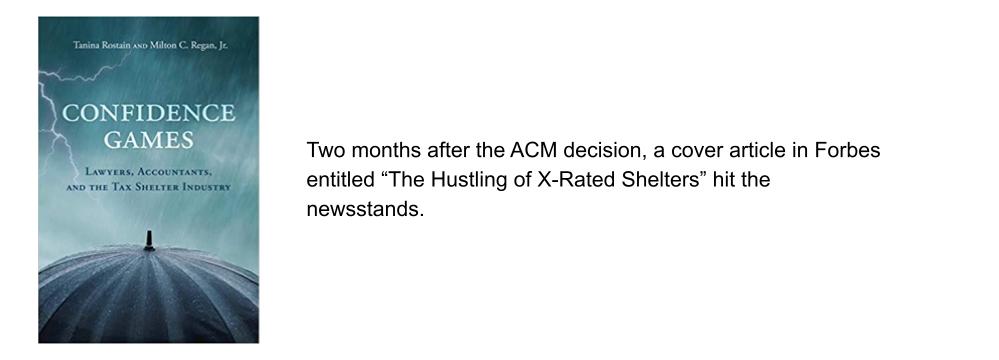
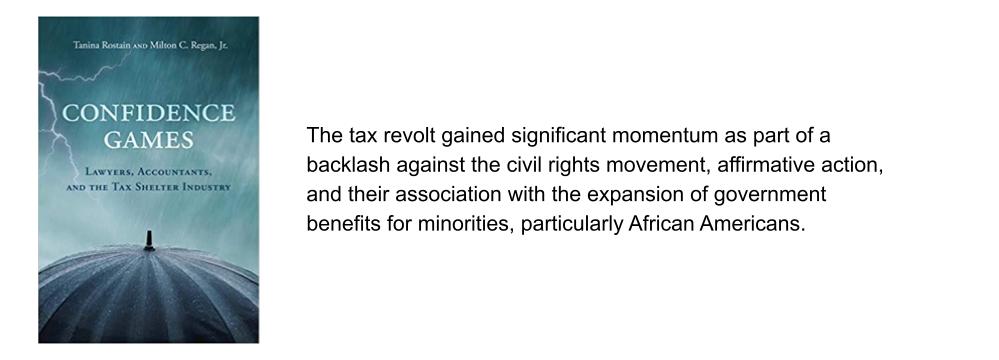
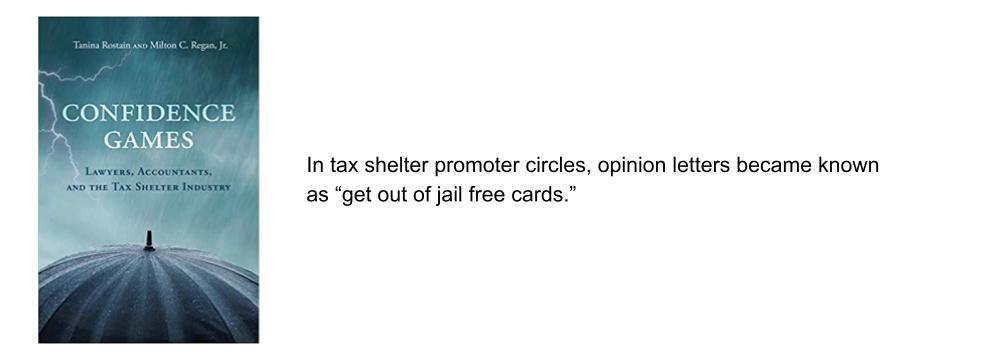
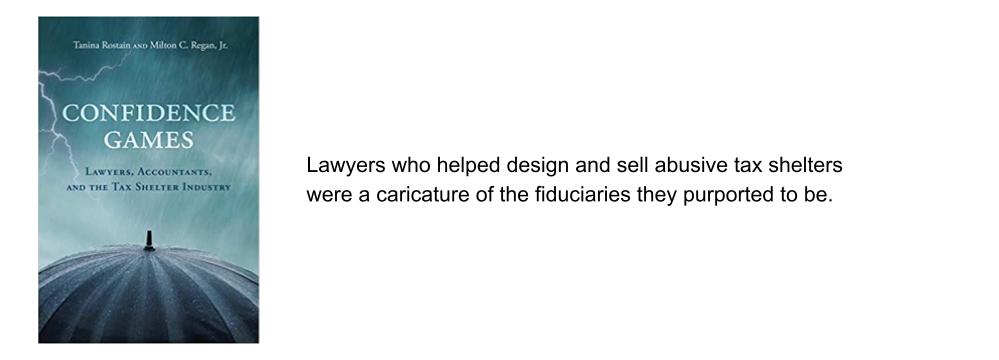
Tanina Rostain and Milton Regan in Confidence Games – Lawyers, Accountants, and the Tax Shelter Industry explained the ugly chapter in tax history that this deal is a small part of. The key to these transactions succeeding was the IRS never finding them. And the IRS probably would not have found most of them if KPMG and other firms had not been forced to turn over lists. Congress has been steadily eroding IRS capacity.
There is a good chance that transactions as egregious as this one are still flying under the radar. They just don’t have the nation’s most prestigious accounting firms promoting them. Those firms have been suitably chastened by deferred prosecution agreements, fines, and a few imprisoned partners. It will be interesting to see where the next tax shelter scandal develops.
You can follow me on twitter @peterreillycpa.