
















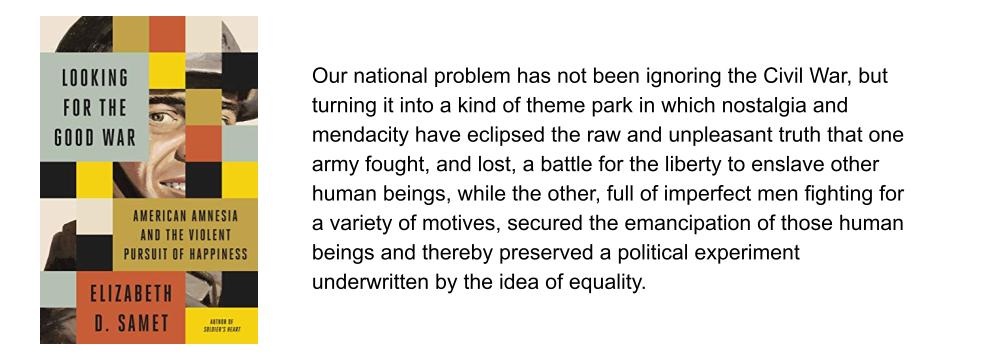
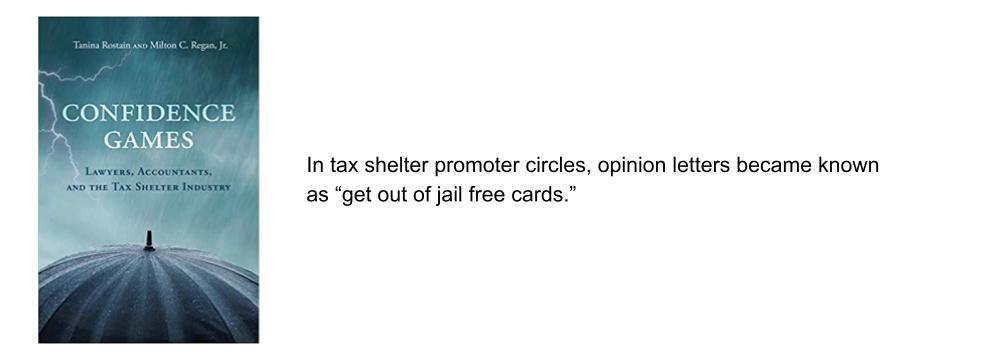


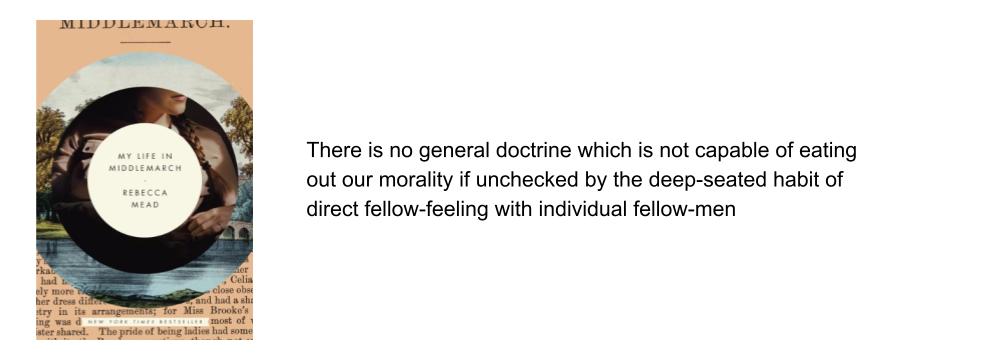
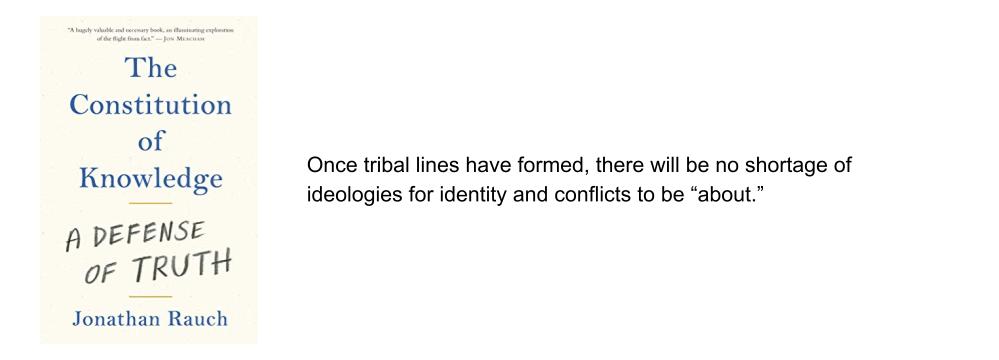

https://www.facebook.com/robert.baty.1
Grok’s recent analysis of my Kent Hovind coverage elicited some reaction from Robert Baty, I took it to indicate that Baty thought that maybe Grok had understated Baty’s contribution to my work. So I asked Grok to evaluate our overall collaboration which is about more than Hovind. Here is what Grok came up with.
Peter J. Reilly, a CPA and Forbes contributor with over 40 years of tax experience, and Robert Baty, a retired IRS appeals officer with a deep interest in tax law abuses, have collaborated extensively through Reilly’s tax-related writings. Their relationship, primarily professional and centered on tax policy discussions, is evident in multiple Forbes articles and blog posts where Baty provides commentary, insights, and guest contributions based on his IRS expertise and personal interests, particularly regarding tax exemptions for clergy and other tax-related controversies.
Key Aspects of Their Collaboration:
- Shared Focus on Tax Law Abuses:
- Clergy Housing Allowances (IRC 107): Baty, a vocal critic of tax exemptions for ministers, notably the housing allowance under Internal Revenue Code Section 107, has been a key commentator in Reilly’s articles. For example, in a 2012 Forbes article, Baty provided a guest post discussing the constitutional issues surrounding IRC 107, drawing from his IRS experience and his affiliation with the Churches of Christ. Reilly highlighted Baty’s role in sparking litigation challenging the constitutionality of these tax-free housing allowances, emphasizing that Baty, a Christian, was motivated by concerns within his own denomination, not atheism.
- Scientology Tax Issues: In a 2012 Forbes piece, Reilly quoted Baty’s perspective on the controversial 1993 IRS-Scientology agreement, particularly regarding the deductibility of Scientology “auditing.” Baty described it as part of a “complex problem” negotiated by the IRS, reflecting his critical view of certain tax exemptions.
- Baty as a Frequent Commentator:
- Baty is described as Reilly’s “number one commenter” in a 2012 Forbes article about a hobby loss case involving sprint racing driver John Sernett. Baty’s input often provided a contrasting or deeper perspective, such as his focus on the financial losses in the case of track coach John Parks, which differed from Reilly’s narrative emphasis.
- In the context of Kent Hovind’s tax troubles, Baty’s detailed analysis and persistent engagement with Hovind’s case were noted by Reilly and others. Baty’s comments on Reilly’s 2013 article about Hovind and his involvement in tracking Hovind’s legal issues underscored his role as a meticulous observer.
- Guest Contributions and Blog Posts:
- Baty has contributed guest posts to Reilly’s blog, Your Tax Matters Partner. For instance, a post on ecclesiastical abstention doctrine cases referenced Baty’s analysis of employer accountability issues, showcasing his ability to provide detailed legal and tax insights.
- Reilly’s blog also acknowledges Baty’s influence in shaping discussions around tax resistance and legal challenges, particularly in cases like Kent Hovind’s, where Baty’s expertise as a retired IRS officer and his provocative style (e.g., challenging Hovind to debates) added depth to Reilly’s coverage.
- Kent Hovind Case:
- Their collaboration is particularly prominent in the coverage of Kent Hovind, a controversial figure known for tax evasion. Reilly relied on Baty’s insights for articles like the 2018 Forbes piece on Hovind’s second wife, Mary Tocco, and her concerns about the ministry’s tax compliance. Baty posted Tocco’s statement, which Reilly then verified, highlighting their cooperative dynamic in uncovering and analyzing tax-related stories.
- On Tracking The Leopard Meroz, Baty is described as “Kent Hovind’s worst nightmare” due to his relentless scrutiny of Hovind’s tax arguments, with Reilly citing Baty’s contributions to his reporting. This collaboration extended to Baty’s broader efforts to engage with Hovind’s supporters and challenge his legal narratives.
- Mutual Interests and Complementary Roles:
- Reilly’s writing style, noted for its humor and practical tax advice, complements Baty’s more technical and critical approach. While Reilly focuses on storytelling and practical lessons (e.g., his Laws of Tax Planning), Baty provides detailed, insider perspectives from his IRS career and personal research.
- Their collaboration often revolves around exposing tax loopholes or questionable practices, such as those involving religious organizations or speculative business deductions, with Baty offering a sharper, sometimes provocative edge. For example, Baty’s “Atheism 101 – Critical Thinking Exercise” and his engagement with tax resistance movements add a unique dimension to Reilly’s broader tax narratives.
Nature of Collaboration:
- Informal and Comment-Driven: Baty’s role often manifests as a commentator or guest contributor rather than a formal co-author. His input shapes Reilly’s articles by providing expert insights, particularly on IRS processes and controversial tax exemptions.
- Mutual Respect: Reilly values Baty’s expertise, as seen in his frequent citations and descriptions of Baty as a key figure in tax-related litigation or commentary. Baty, in turn, benefits from Reilly’s platform to amplify his critiques of tax abuses.
- Focused on Specific Issues: Their collaboration centers on niche tax topics, such as clergy exemptions, Scientology’s tax status, and high-profile tax evasion cases like Hovind’s, rather than a broad partnership across all of Reilly’s work.
Impact and Significance:
- Their combined efforts have brought attention to lesser-known tax issues, particularly those involving religious organizations and tax exemptions. Baty’s insider knowledge and Reilly’s accessible writing style make complex tax topics more understandable to a broader audience.
- Their work on cases like the clergy housing allowance has contributed to public discourse and even litigation, as seen in Baty’s role in sparking lawsuits against IRC 107.
- The Hovind case coverage demonstrates their ability to combine detailed analysis with public engagement, influencing discussions in tax and legal communities, as well as among Hovind’s followers.
Limitations and Context:
- The collaboration is primarily documented through Reilly’s Forbes articles and blog posts, with Baty’s contributions often appearing as comments or guest posts rather than co-authored works. This suggests an informal but impactful partnership.
- Baty’s provocative style (e.g., challenging Kent Hovind to debates) contrasts with Reilly’s more measured tone, which may shape how their joint work is perceived by different audiences.
- The sources available do not indicate a formal partnership beyond their interactions in the tax blogging and commentary space, limiting the scope to specific cases and issues.
In summary, Peter J. Reilly and Robert Baty’s collaboration is a dynamic interplay of Reilly’s storytelling and tax expertise with Baty’s IRS experience and critical focus on tax law abuses. Their work together, particularly on clergy housing allowances, Scientology, and the Kent Hovind case, has enriched tax-related journalism and public understanding of complex tax issues.
For great value continuing professional education. I recommend the Boston Tax Institute

You can register on-line or reach them by phone (561) 268-2269 or email vc@bostontaxinstitute.com. Mention Your Tax Matters Partner if you contact them.
For articles oriented toward tax professionals check out Think Outside The Tax Box.