




































4albion
1confidencegames
5confidencegames
2albion
lifeinmiddlemarch2
6albion
Maurice B Foley 360x1000
Margaret Fuller2 360x1000
Adam Gopnik 360x1000
1defense
12albion
10abion
3paradise
3defense
1gucci
4confidencegames
Mark V Holmes 360x1000
Thomas Piketty1 360x1000
399
1madoff
8albion'
George F Wil...360x1000
1paradide
Thomas Piketty2 360x1000
Mary Ann Evans 360x1000
storyparadox2
Margaret Fuller1 360x1000
2confidencegames
LillianFaderman
Margaret Fuller4 360x1000
AlexRosenberg
Storyparadox1
2theleastofus
Susie King Taylor 360x1000
2transadentilist
499
13albion
Brendan Beehan 360x1000
Edmund Burke 360x1000
11albion
Lafayette and Jefferson 360x1000
2gucci
1lafayette
2defense
1trap
George M Cohan and Lerarned Hand 360x1000
Susie King Taylor2 360x1000
2lafayette
1jesusandjohnwayne
299
Ruth Bader Ginsburg 360x1000
Betty Friedan 360x1000
2falsewitness
11632
Samuel Johnson 360x1000
lifeinmiddlemarch1
6confidencegames
3confidencegames
2paradise
Office of Chief Counsel 360x1000
199
7confidencegames
1theleasofus
Richard Posner 360x1000
2trap
Learned Hand 360x1000
James Gould Cozzens 360x1000
Margaret Fuller3 360x1000
Tad Friend 360x1000
14albion
Margaret Fuller 2 360x1000
2jesusandjohnwayne
9albion
5albion
1transcendentalist
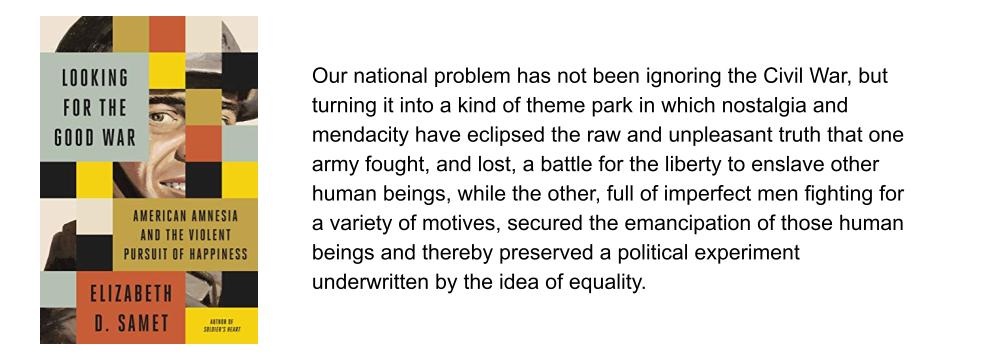
2lookingforthegoodwar
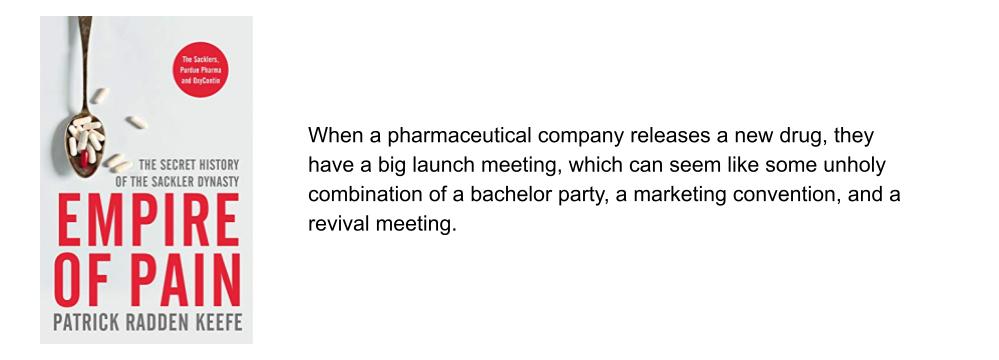
1empireofpain
Anthony McCann1 360x1000
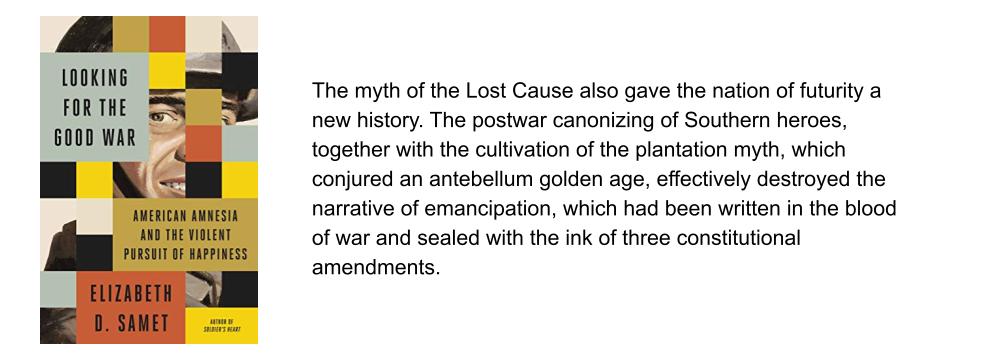
1lookingforthegoodwar
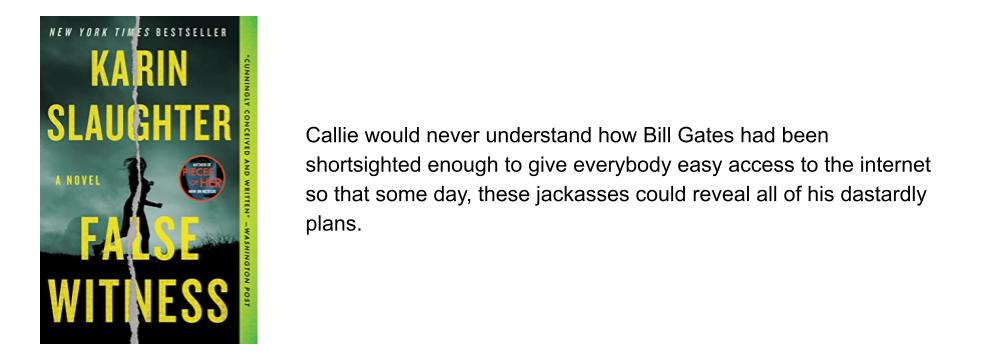
1falsewitness
Margaret Fuller5 360x1000
Spottswood William Robinson 360x1000
Stormy Daniels 360x1000
Margaret Fuller 360x1000
3theleastofus
Thomas Piketty3 360x1000
1albion
3albion
Gilgamesh 360x1000
7albion
1lauber
Maria Popova 360x1000
storyparadox3
Anthony McCann2 360x1000

This post was originally published on Forbes Oct 17, 2015

There are certain commercial practices that annoy me – a lot.  Worst are car rental companies.  Besides trying to intimidate you into buying overpriced insurance, they play this game with the gas.  You can opt to commit to bring the car back with a full tank at the risk of being charged an outrageous per gallon price if you slip up, seeing as how you are maybe trying to catch a plane or something.  Or – and this is pure genius – you can pay for a full tank and bring it back empty.  If you’re like me, you probably don’t allow yourself the time to circle the airport numerous times to be able to coast in on fumes.  So the rental company gets to sell the same couple of gallons of gas over and over and over.

Almost as annoying is the practice of on-line reservations companies.  Usually when a vendor charges you tax, you can be confident that they are remitting the tax to the taxing authority or risking dire penalties.  On-line reservations companies don’t usually charge you tax though.  They charge you a “tax recovery amount”.  If the actual tax works out less they keep the difference.
Taxing The Gross Or The Net
 
The reason that on-line companies have to charge an estimated tax is because, they don’t charge tax on what you pay them for the room.  The hotel operator charges the on-line company room tax on the lesser amount that the operator pays the hotel.  That is how the on-line companies prefer it anyway.  States and local government generally would prefer to collect room tax on the entire amount charged to the customer.  This has led to much litigation.  There is no broad federal issue at stake, so the cases turn on the precise wording of state statutes and sometimes state constitutions.  The latest round I noticed in this ongoing battle was a decision by the Montana Supreme Court that pitted the Montana Dept of Revenue against the usual suspects (Priceline, Expedia, Travelocity.com, etc).
Montana Takes Them On
 
Here is how the case got started.

In June and July 2010, the Department sent letters to several OTCs, stating, “It has come to our attention that you may not be registered with the Montana Department of Revenue and/or collecting the 4% Lodging Facility Use Tax, the 3% Lodging Facility Sales Tax and/or the 4% Rental Vehicle Sales Tax.” The OTCs responded that they had no obligation to register with the Department or to collect the requested taxes. On November 8, 2010, the Department filed suit against the OTCs, arguing that the OTC fees are taxable under both the Lodging Facility Use Tax and the Sales Tax. The OTCs responded by denying responsibility to collect tax on OTC fees received from customers, and contending that they are not taxpayers with regard to the Lodging Facility Use Tax or Sales Tax. The parties filed cross-motions for summary judgment on these issues.

You wouldn’t think that the court would come up with a split decision on a case like this, but that is what happened and it turns on precise wording of statutes.

The Lodging Facility Use Tax

The statute  indicates that the lodging facility use tax is to be collected by the “operator of the facility”.  It is pretty obvious that Priceline and Expedia and the rest are not operating any facilities.

 The OTCs do not participate in the day-to-day bookkeeping of a facility, make management decisions, or decide how a facility will spend its revenue. In short, they are not responsible for the financial affairs of a facility. Accordingly, the OTCs are not owners or operators under the Department’s administrative definition.

Sales Tax Is A Different Story
 
Then it gets tricky.  The court determined that:
Because the OTCs are not owners or operators of facilities, their fees are not subject to the Lodging and Facility Use Tax. By contrast, the Sales Tax taxes the purchaser on the sales price of an accommodation or rental vehicle, which specifically includes the value of services. Accordingly, the statutes need not be construed in pari materia. (Emphasis added)
I always like it when a decision gets me to brush up my Latin.  I found in The Free Dicitionary  that “pari materia” means:
Of the same matter; on the same subject. The phrase used in connection with two laws relating to the same subject matter that must be analyzed with each other.
An example of that are federal transfer taxes – estate and gift – which are meant to work together.
Montana does not have a general sales tax, but a number of special ones including lodging and car rental.  That applies to the on-line companies.
The plain meaning of the Sales Tax requires taxing OTC fees.  It also requires the OTCs, who are “sellers” because they “make[] sales … of services,” to collect and remit to the Department taxes on those fees.
And It Is Retroactive
 
The on-line companies argued that if they lost, the effect should only be prospective, but they lost on that contention also.

The OTCs argue that it would be inequitable to apply the Sales Tax retroactively because they relied on the Department’s guidance, rules, and forms in considering the Lodging Tax and Sales Tax coextensive. This argument has merit as applied to the enforcement of the Sales Tax prior to the Department filing suit. However, from the time that the Department filed suit against the OTCs, alleging that they were liable for collecting the Sales Tax, the OTCs were unambiguously on notice that the Department considered them liable for collection of the Sales Tax.

So they are liable for the uncollected sales tax going back to 2010.
Big Picture
 
It strikes me that this particular dispute illustrates one of the downsides of federalism,. The same issue is being fought all over the country with disparate results. It may be the type of thing that it would pay to have some sort of uniform law on.  I have not found anything going on in that area, but I would be happy if one of my commenters embarrassed me on that.
According to this story there have been 88 lawsuits on this issue since 2004.  Priceline devotes several paragraphs to the issue in its financial statement and mentions thirty specific cases.  The bottom line is:

As a result of this litigation and other attempts by jurisdictions to levy similar taxes, the Company has established an accrual (including estimated interest and penalties) for the potential resolution of issues related to transaction taxes in the amount of approximately $52 million at December 31, 2014 compared to approximately $55 million at December 31, 2013. The Company’s legal expenses for these matters are expensed as incurred and are not reflected in the amount accrued. The actual cost may be less or greater, potentially significantly, than the liabilities recorded. An estimate for a reasonably possible loss or range of loss in excess of the amount accrued cannot be reasonably made.

Other Coverage
 
Chris Mehrmann and Charlie Kearns give a summary of the case in a blog with the clever title SALT shaker.