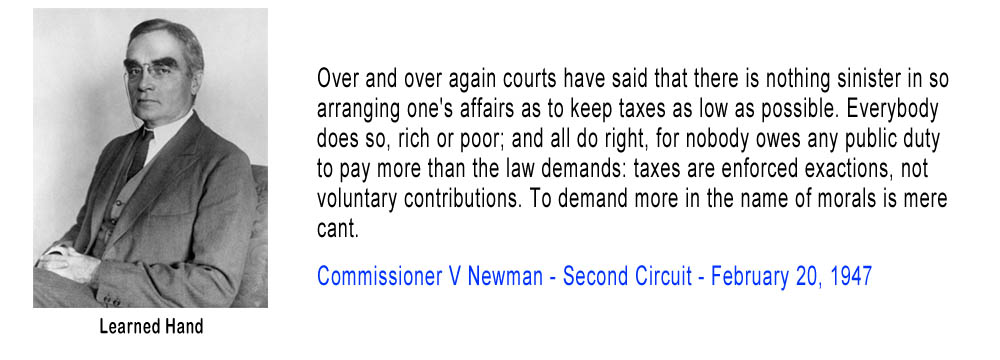
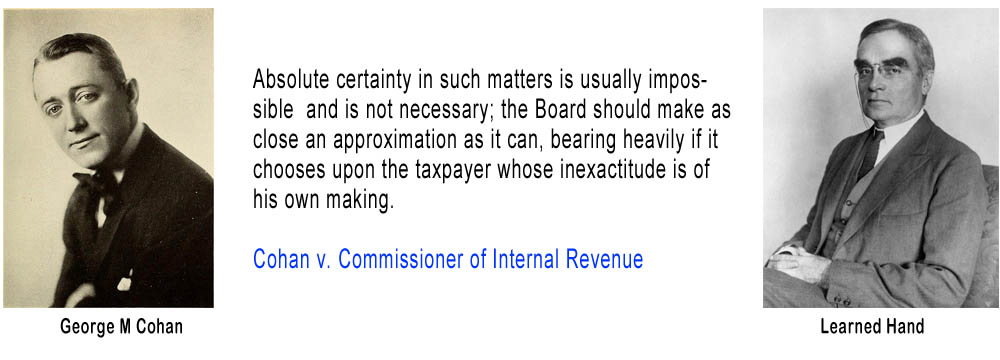
There are a lot reasons for not paying taxes and a lot of different ways of going about it. There is kind of a motto in the tax compliance/planning industry that comes from a decision written by Learned Hand.
Over and over again courts have said that there is nothing sinister in so arranging one’s affairs as to keep taxes as low as possible. Everybody does so, rich or poor; and all do right, for nobody owes any public duty to pay more than the law demands: taxes are enforced exactions, not voluntary contributions. To demand more in the name of morals is mere cant.
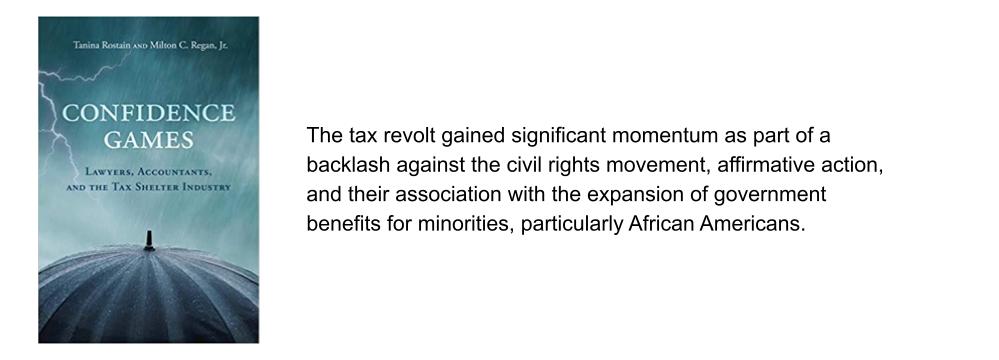
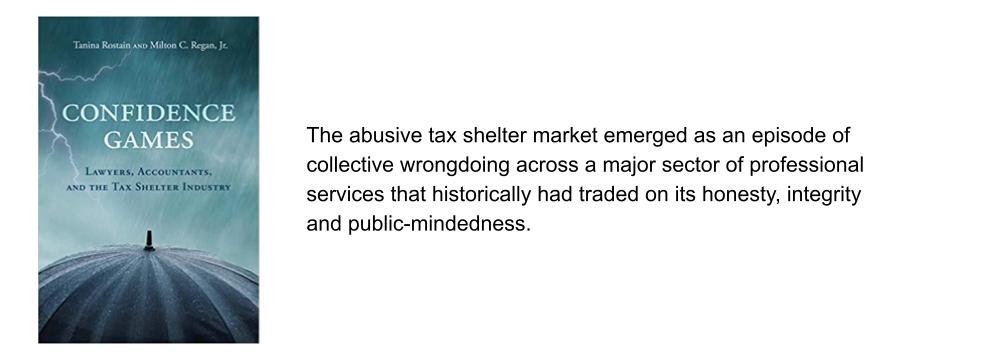
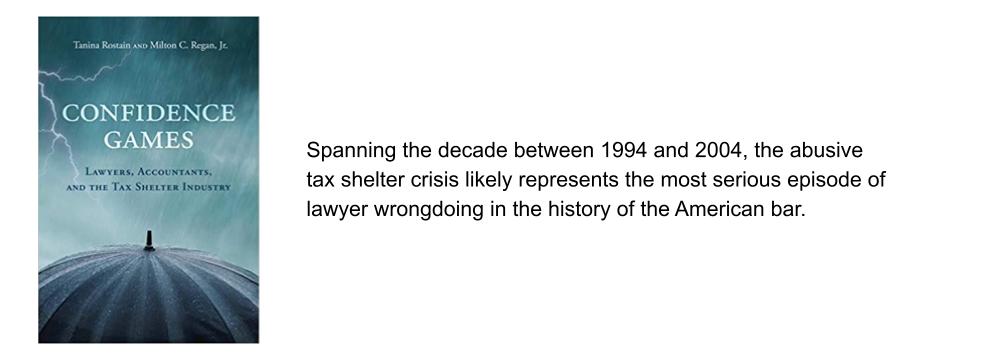
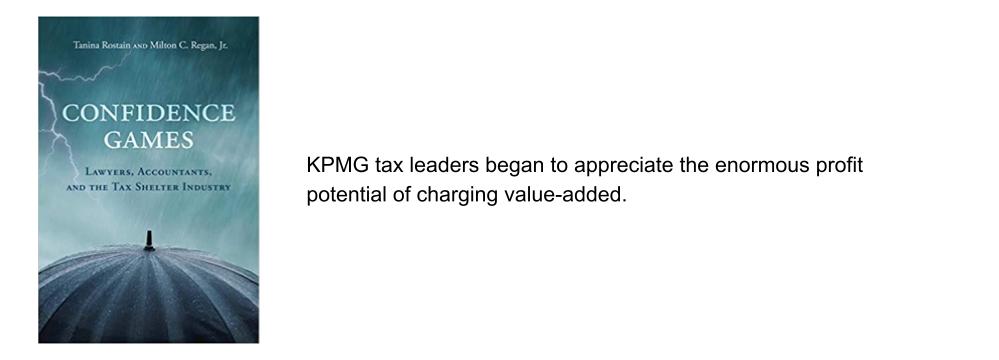
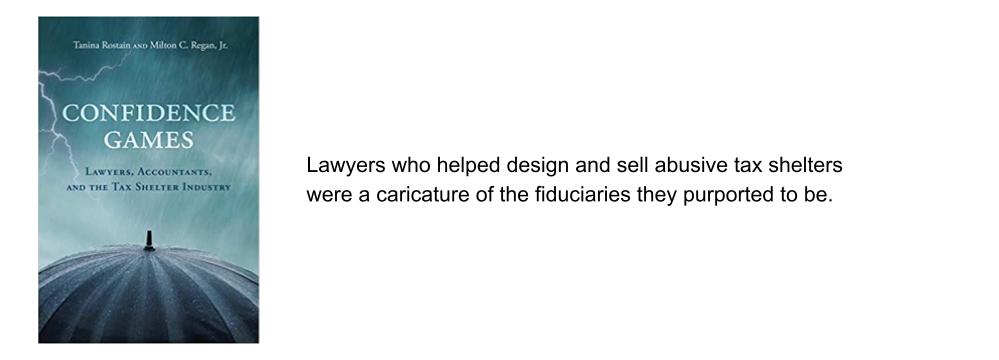
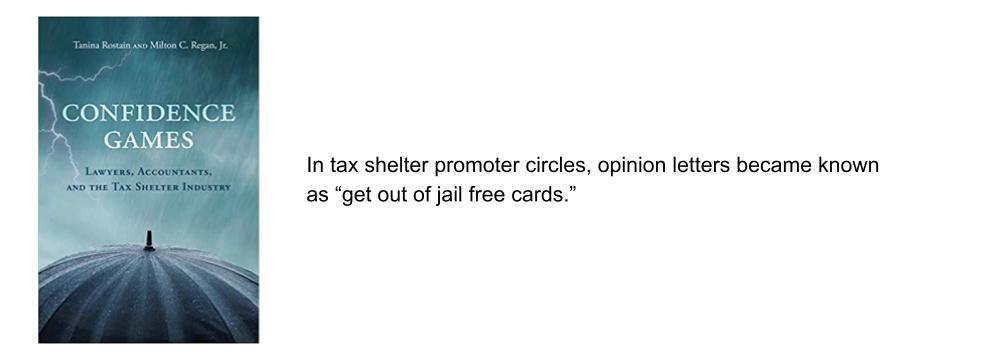
There is a sense in the business community that overpaying taxes is irresponsible. Mitt Romney embodied this ideal with his “not a penny more” comment. This attitude can slide into techniques that end up being illegal as we saw with the turn of the millennium raid on the treasury engineered by the Big 4 accounting firms that is documented in the book Confidence Games: Lawyers, Accountants, and the Tax Shelter Industry.
We might call the above tax avoidance that sometimes slides into tax evasion. There might be something of an ideological rationale, but the basis is generally that you would rather keep the money for yourself.
Then there is outright tax evasion which taken to its extreme can mean entirely living off the grid. My favorite fictional example of this is Repairman Jack. Jack embodies the libertarian dreams of his creator F Paul Wilson. Most outright tax evasion probably has little in the way of ideology behind it.
Then there are, for lack of a better term, the tax protesters. Although he denies that he is a tax protester, while saying he admires them, Kent Hovind is a good example, but the best example, perhaps the grandfather of the movement is Irwin Schiff. Irwin Schiff has an elaborate theory that indicates that the federal income tax is extremely narrow in its scope and that most of us are tricked by the IRS, which Kent Hovind believes is a Puerto Rican collection company, into paying. Both Irwin Schiff and Kent Hovind are in federal prison. Here is Kent Hovind, the non tax protester, explaining the theories in some detail including a reference to Irwin Schiff.
The tax protester movement, which is admittedly quite diverse, tends toward an extreme right wing ideology. The odd thing is that the movement tends not to be anti-military. In the world view of many tax protesters the military is one of the very few legitimate functions of the federal government. It is rather odd, because while the military takes up 18% of the federal budget, when you kick out social security and medicare, which are separately funded, it is over half.
As you might imagine from the name it is opposition to military expenditures that motivates the war tax resistance movement.
War Tax Resistance
It is reasonable to suspect that a certain percentage of those in the tax protester movement are sociopathic free riders who are using an ideology to rationalize their refusal to contribute to the common good. Not so war tax resisters. Although there is some variation in practice what war tax resisters generally do is fill out an accurate return. They then send the return into the IRS withholding some or all of their payment along with a letter explaining in some detail what they are doing. They then contribute the balance to charity. Since they can expect that frequently the IRS will levy them for the amount of the tax, they end up paying more.
War tax resisters tend to be scrupulous and totally transparent in what they are doing, while tax protesters often engage in behavior, like hiding assets, that makes it difficult to distinguish them from tax evaders. This distinction probably accounts for the extreme rarity of prosecution of war tax resisters for tax crimes.
Peter Goldberger is an attorney familiar with representing those with alternative views on taxation. He represented the Philadelphia Yearly Meeting of the Religious Society of Friends (a/k/a Quakers) when they refused to comply with a levy on some of their war tax resisting employees (Peter tells me that most war tax resisters are Quaker, Mennonite or Catholic). He also assisted the attorneys representing Irwin Schiff in his last appeal, which I covered. He told me a story to illustrate how meticulous war tax resisters can be. I call the fellow Henry in honor of America’s most famous war tax resister Henry David Thoreau.
Henry stopped voluntarily paying income taxes in 1958 in reaction to atmospheric testing of nuclear weapons. Since he continued filing the IRS would collect by levying his bank account. Then one year he got audited. He had a very large medical deduction, which he substantiated. The agent had gone further though and looked at the rest of Henry’s transactions. The agent noted that there were quite a few charitable contributions that did not show up on the return and asked Henry about that.
Henry explained that those were the charitable contributions that he made in lieu of paying his taxes. Since other taxpayers did not get to deduct their taxes, he did not think it would be fair to deduct those payments as charitable contributions. The agent indicated that fair has nothing to do with it (See Reilly’s First Law of Tax Planning) and adjusted Henry’s tax downward. Henry continues his tax resisting ways with the IRS occasionally levying his bank account and scooping up 15% of his social security check.
The Decision
Ms. Boardman’s attorney, Robert Kovsky provided me with a link to a copy of the his brief. Ms. Boardman is seeking to prevent the IRS from labeling her practice of war tax resistance as frivolous and attempting to suppress the practice by unauthorized acts. She is relying on the Religious Freedom Restoration Act.
Just to be clear, because this can get a bit confusing, Ms. Boardman recognizes that the IRS can legally come and grab her money. Her legal objection is to the practice of identifying war tax resisters as frivolous and attempting to suppress them. In 2013, there was a field attorney advice issued that indicated that a proper return that is accompanied by a protest letter will not be subject to the $5,000 frivolous return penalty, but the frivolous position label still remains. As best I can understand it, if the IRS just treated war tax resister returns the same way they treat any other return that comes in without full payment, there would not be an objection under the Religious Freedom Restoration Act.
The Ninth Circuit was not buying it.
Accordingly, the Anti-Injunction Act precludes federal jurisdiction here unless Appellant can satisfy the judicially created exception to the Act by demonstrating (1) irreparable injury if her case is not heard, and (2) certainty of success on the merits. Appellant fails to satisfy either requirement. Appellant has a legal remedy in the form of a suit for refund and thus will suffer no irreparable injury. Appellant also has not shown that she is certain to succeed on the merits of her claim that the government’s listing of war tax resistance as a “frivolous” legal position for purposes of 26 U.S.C. § 6702 connotes discouragement of religion or otherwise violates her free exercise rights.
Peter Goldberger told me that this is the outcome that he had predicted. He does think that a war tax resister might succeed on a suit to recover penalties based on the Supreme Court’s broad interpretation of the Religious Freedom Restoration Act in the Hobby Lobby decision, which allowed a conscience exception to a company from the requirement to provide employees with birth control.
Attorney Kovsky has not given up.
We are disappointed with the Panel Decision. There is a further proceeding in the Ninth Circuit, a petition for rehearing or for rehearing en banc (larger body of judges). I am preparing such a petition that will respond to the Panel Decision, something in the nature of commentary.
Other Comments
I asked my friend Tom Cahill, a long time peace activist, for his thoughts on the issue.
As I see it, it is a contempt of conscience to call “frivolous” (as in “silly, trivial,” etc) a person’s refusal to pay for mass killing and destruction. War has always been good business for a select few who then use some of their ill-gotten gains to manipulate The Law to their own criminally-insane purposes. Humankind and The Law need to evolve out of the darkness of the jungle and into the light. And this is happening. Elizabeth Boardman isn’t the first war tax resister and she won’t be the last.
Although they did not run into one another, both Tom and Ms. Boardman served as human shields in Iraq. Tom is, as far as I know, the only veteran of the United States Air Force to engage in that activity.
Michael Mello covered the most recent decision for Law360. Other than that, I could not find any other coverage.
Used to monitor number of Google Analytics server requests when using Google Tag Manager
1 minute
_gid
ID used to identify users for 24 hours after last activity
24 hours
_ga_
ID used to identify users
2 years
_gali
Used by Google Analytics to determine which links on a page are being clicked
30 seconds
_ga
ID used to identify users
2 years
__utmv
Contains custom information set by the web developer via the _setCustomVar method in Google Analytics. This cookie is updated every time new data is sent to the Google Analytics server.
2 years after last activity
__utmx
Used to determine whether a user is included in an A / B or Multivariate test.
18 months
__utmz
Contains information about the traffic source or campaign that directed user to the website. The cookie is set when the GA.js javascript is loaded and updated when data is sent to the Google Anaytics server
6 months after last activity
__utmc
Used only with old Urchin versions of Google Analytics and not with GA.js. Was used to distinguish between new sessions and visits at the end of a session.
End of session (browser)
__utmb
Used to distinguish new sessions and visits. This cookie is set when the GA.js javascript library is loaded and there is no existing __utmb cookie. The cookie is updated every time data is sent to the Google Analytics server.
30 minutes after last activity
__utma
ID used to identify users and sessions
2 years after last activity
__utmt
Used to monitor number of Google Analytics server requests
10 minutes
_gac_
Contains information related to marketing campaigns of the user. These are shared with Google AdWords / Google Ads when the Google Ads and Google Analytics accounts are linked together.