
An Accountant Looks At The Non Sequitur Lawsuit – The $65,000 Question
There is nothing that odd or unusual in the conflict that Steve McRae and Kyle Davis are having over the Non Sequitur Show. What is a little unusual is that they are actively litigating given the relatively small stakes, but given how stubborn people can be it is not that unusual. What is very unusual is that they seem to have gotten thousands of people interested in their dispute and that they are playing it out in such a public manner. If you go with the theory that there is no such thing as bad publicity and they are in an industry that thrives on views, that peculiarity might be a feature rather than a bug.
If this sort of dispute were going on in an accounting firm or a law firm or a medical practice, it would be kept out of view if at all possible. And as it happens, this sort of dispute goes on all the time in those and all sorts of other businesses. One of the things that will prevent it from killing the entity is that the players have too much to lose if the entity collapses.
IRS Veteran Insists That IRS Is Missing Billions In Real Estate Gains
Working with a computer expert, Jerry designed an algorithm. The algorithm would look for partnerships with large deficit capital accounts. He was in the big time in Washington so it was a big cutoff. He put out $50 million as the threshold.
And then he traced them into the next year. What he found was that some of them disappeared. There was no final return recognizing gain to bring the deficit up to zero, which is what most practical accountants think is supposed to happen.
Follow Me
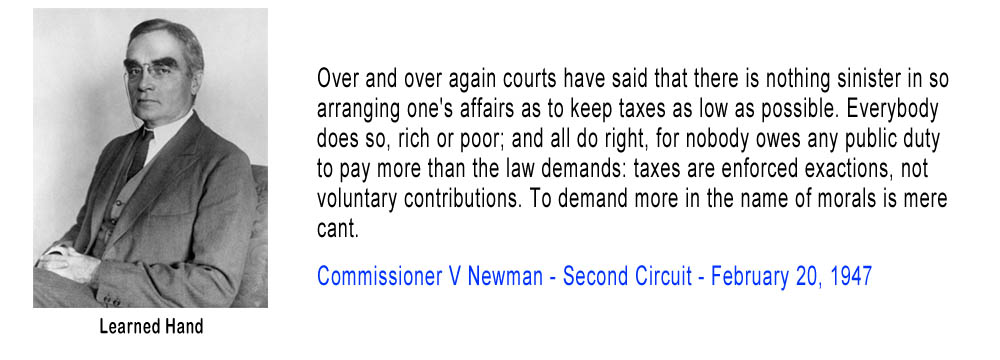
Over and over again courts have said that there is nothing sinister in so arranging one’s affairs as to keep taxes as low as possible. Everybody does so, rich or poor; and all do right, for nobody owes any public duty to pay more than the law demands: taxes are enforced exactions, not voluntary contributions. To demand more in the name of morals is mere cant.