



















































If Spouse Is Behind Bars Think Before Filing Jointly
I have been noting these cases for a long time, and Joe takes the cake for the most egregious example of somebody who should not have filed jointly.

Response To Deconstruction Deduction Post
Appraisers are now collaborating with the IRS, appraisal associations, and reuse organizations to solidify best practices within our specialty.
Follow Me
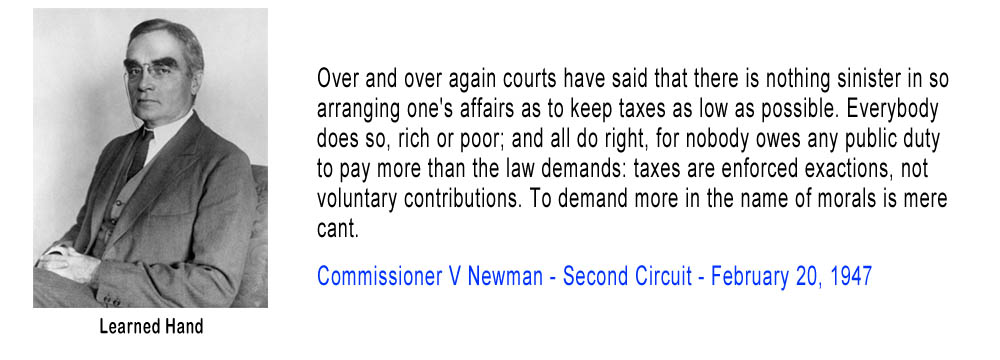
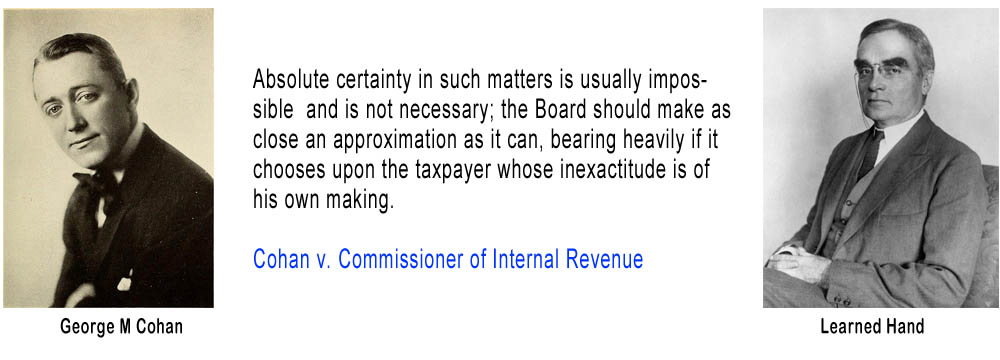
Over and over again courts have said that there is nothing sinister in so arranging one’s affairs as to keep taxes as low as possible. Everybody does so, rich or poor; and all do right, for nobody owes any public duty to pay more than the law demands: taxes are enforced exactions, not voluntary contributions. To demand more in the name of morals is mere cant.