




















Tax Court Denies Millions In Easement Deductions
The Tax Court gave a one-two punch to conservation easement deductions with its decisions in the case of Nathaniel and Stella Carter on February 3rd and Railroad Holdings LLC on February 5th. Judge Halpern had the Carters and Judge Gustafson was working on Railroad Holdings.
Wrapping The Green Flag Around Tax Shenanigans
The intellectual justification for why syndications can work is that there is this other value to be placed on land for purposes of charitable deduction – the discounted cash flow from a hypothetical highest and best use. In that view, it does not matter what anybody is currently willing to pay for the land any more than it matters what the used building materials will go on the shelf for in the aggressive deconstruction deductions.
I doubt that the deconstruction deductions will end up creating as much drama as the conservation easements, but we will see.
Follow Me
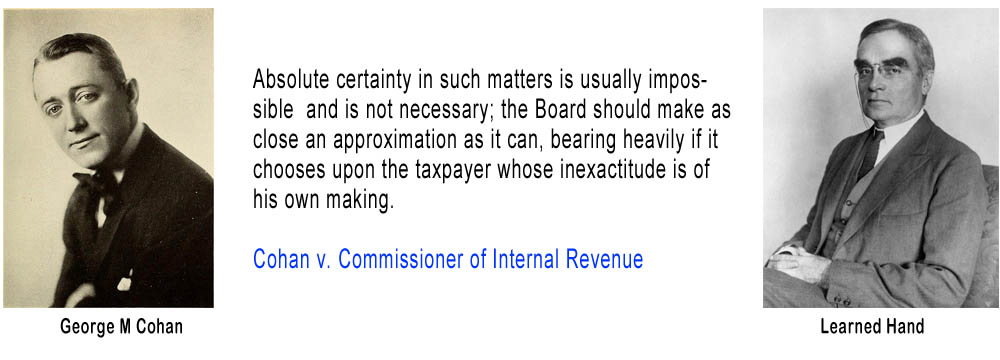
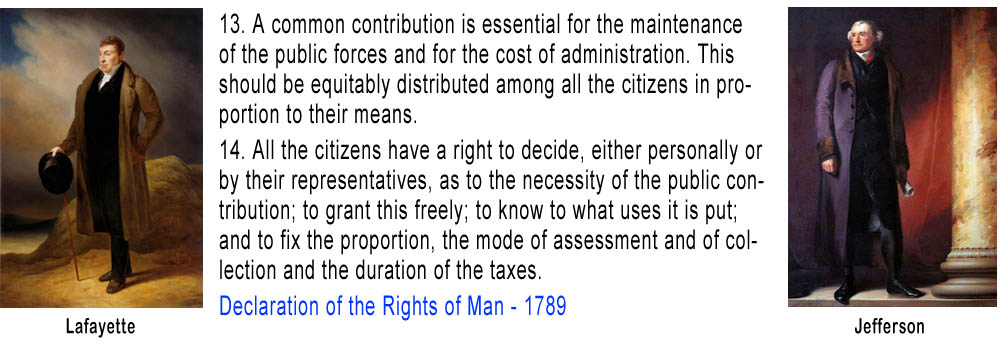
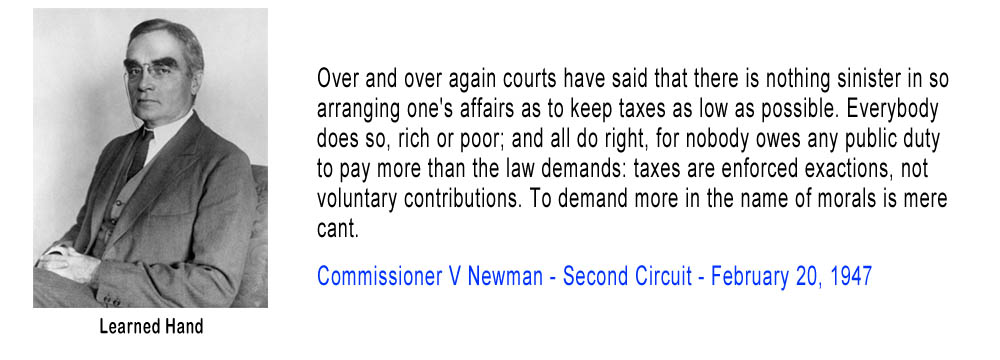
Over and over again courts have said that there is nothing sinister in so arranging one’s affairs as to keep taxes as low as possible. Everybody does so, rich or poor; and all do right, for nobody owes any public duty to pay more than the law demands: taxes are enforced exactions, not voluntary contributions. To demand more in the name of morals is mere cant.