













































Gender War – Dummy Guide – Where To Begin
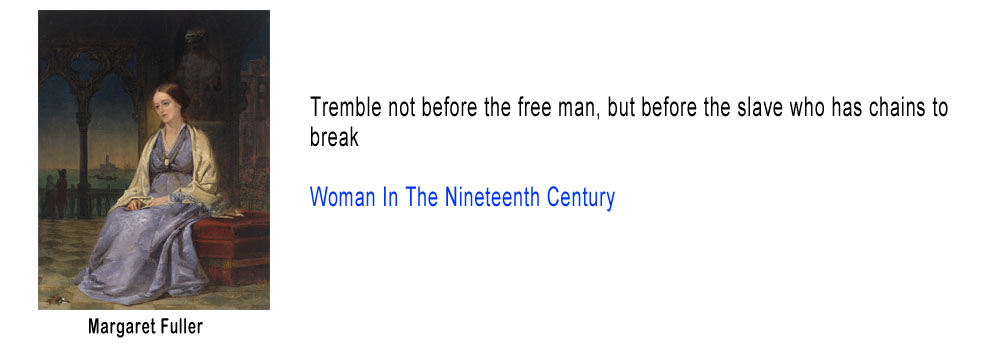
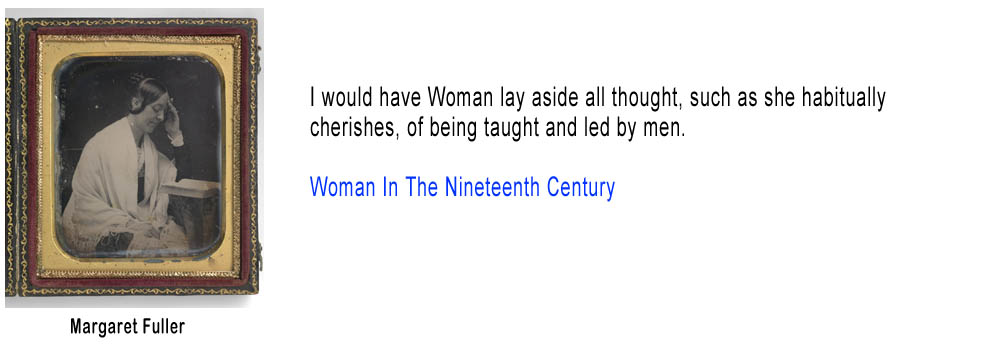
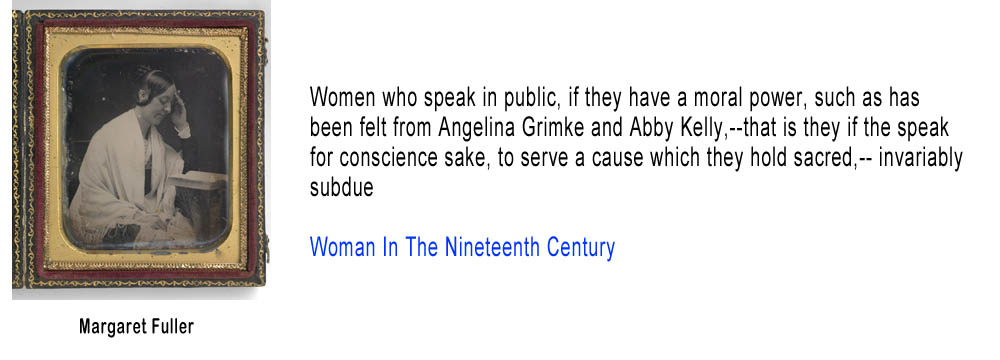
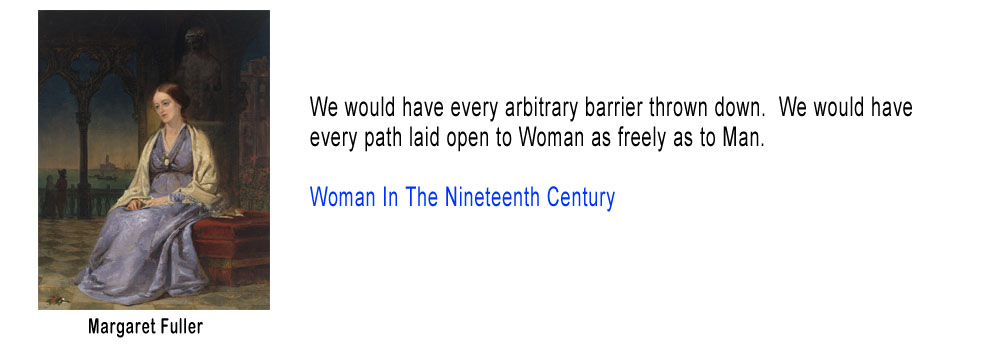
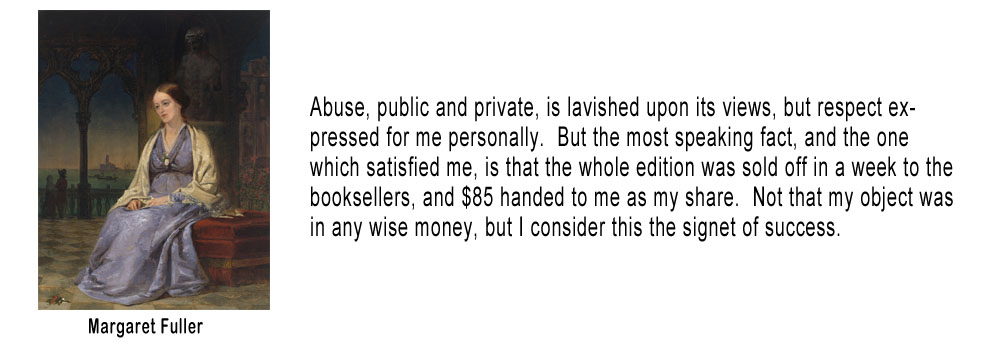
There is no wholly masculine man, no purely feminine woman. - Margaret Fuller Top rated guide so far What I believe about sex and gender (and what I don't) by...
Voraciousness Of The New York Income Tax And The Jersey City Solution
So you live in Agony, but you work and own a business in Ecstasy. Ecstasy gets to tax you on what you earn there. Agony will give you a credit for those taxes to Ecstasy. The credit will generally be the lesser of what you paid Ecstasy or what Agony taxed you on that income. If Ecstasy has a lower rate than Agony, it is a wash. If Ecstasy has a higher rate, you are out of pocket the difference.
It is simple and fair. If the states have the same rate, the one where you live ends up getting the tax on your income from investment and the like and the state where you work gets to tax your income from working. It’s good enough for Agony and Ecstasy, but not for New York and the growing number of states that follow the “New York rule”.
Follow Me
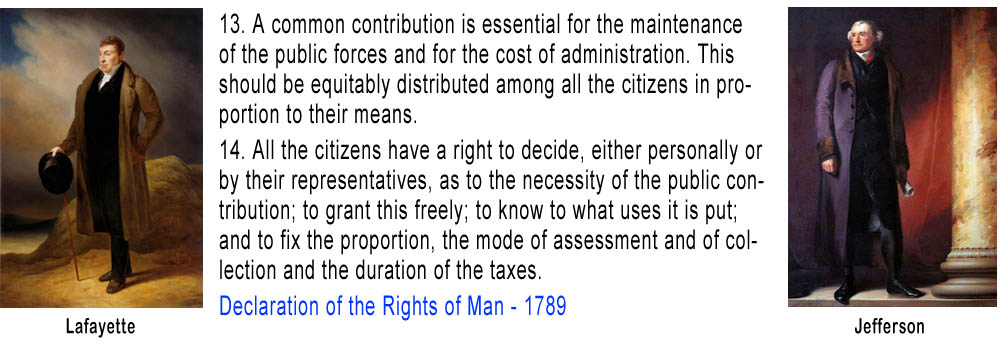
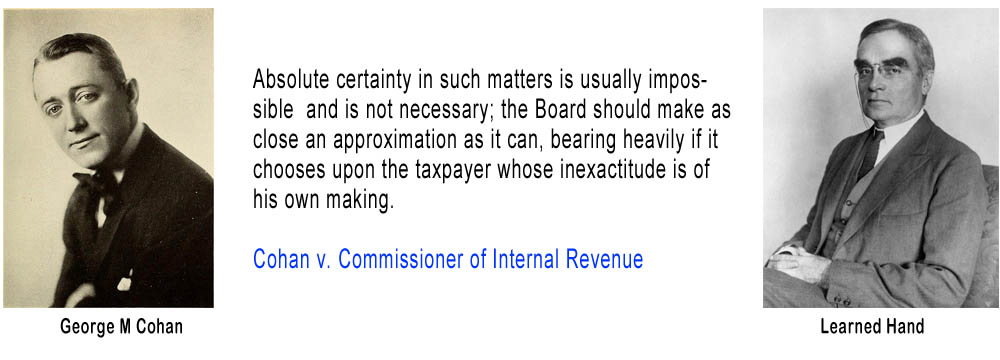
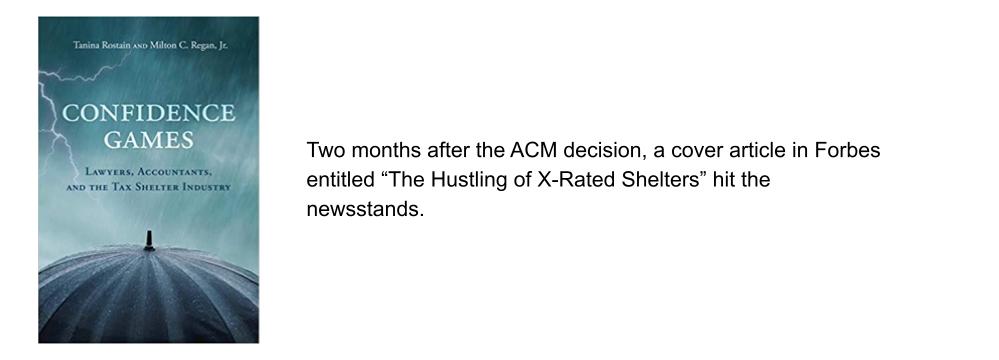
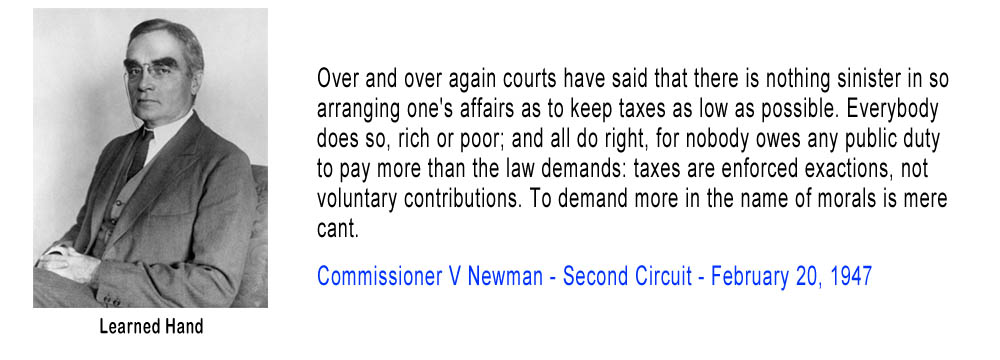
Over and over again courts have said that there is nothing sinister in so arranging one’s affairs as to keep taxes as low as possible. Everybody does so, rich or poor; and all do right, for nobody owes any public duty to pay more than the law demands: taxes are enforced exactions, not voluntary contributions. To demand more in the name of morals is mere cant.