Discrepancy or Discrimination? Doesn’t matter
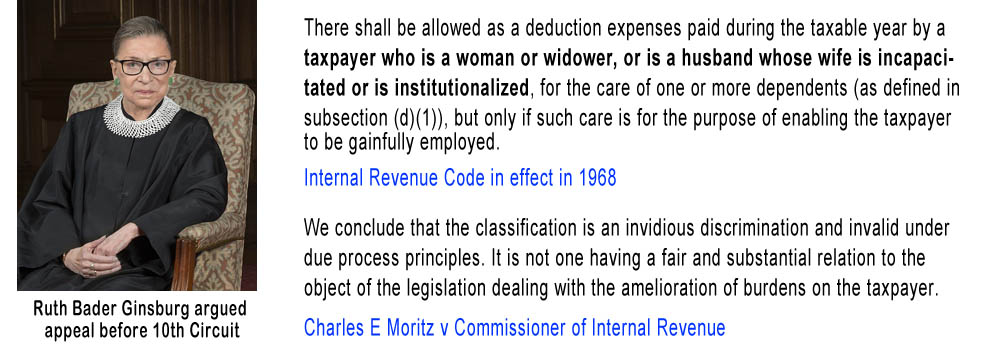
I inquired why some of the men I worked with were considered ministers and thus, eligible for the ministerial housing allowance tax benefit while the women I worked with were not considered eligible

Lunch At The Drowsy Poet With Eric Hovind
I hadn't planned on writing about my get together with Eric Hovind or even telling anybody about it other than my partner. At the end of our time together, though, he...
Follow Me
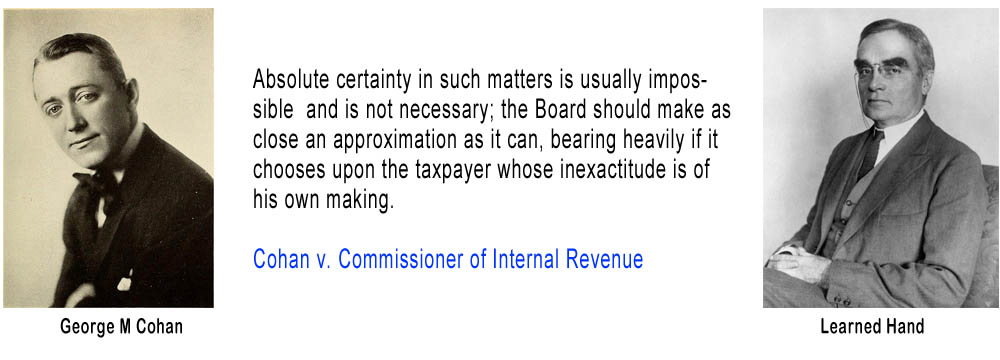
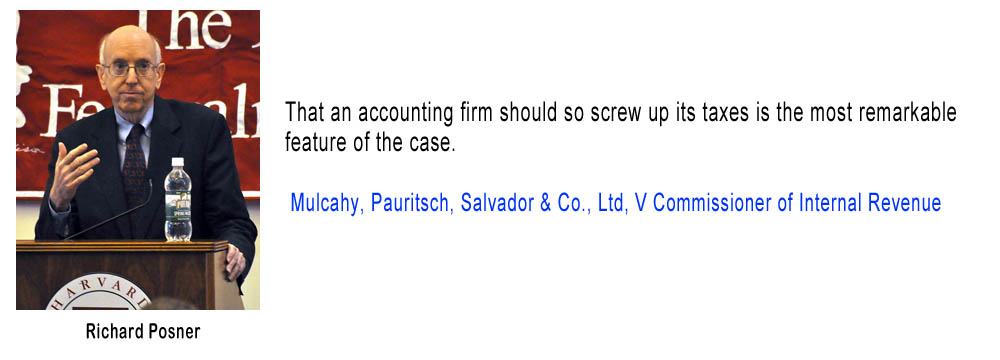
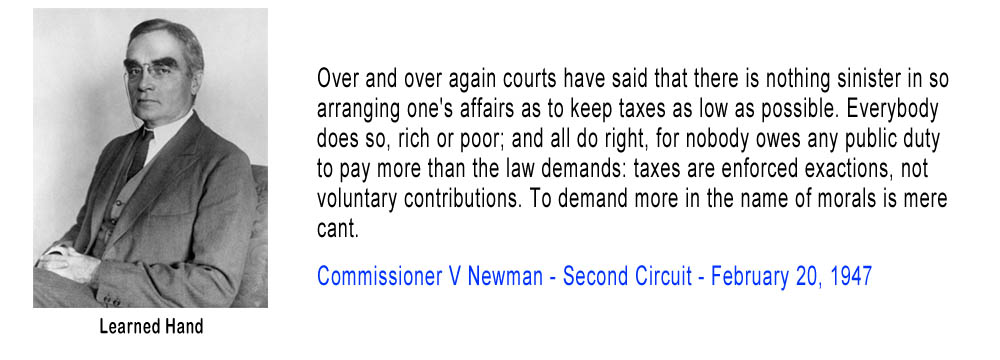
Over and over again courts have said that there is nothing sinister in so arranging one’s affairs as to keep taxes as low as possible. Everybody does so, rich or poor; and all do right, for nobody owes any public duty to pay more than the law demands: taxes are enforced exactions, not voluntary contributions. To demand more in the name of morals is mere cant.