














Sometimes You Crack The Code And Sometimes The Code Cracks You
The conspiracy that Mr. Hendrickson alleges is mind-boggling and slightly bizarre. The income tax is very narrow, but key elements of the executive and judicial branches pretend otherwise. The IRS knows that it is hoodwinking most people so it will give the money back to just about everybody that asks for it. It’s kind of like the technology charge that my managing partner had us implement for a while.
The explanation that I think is more probable, that Mr. Hendrickson thinks is preposterous, is that underfunding, aging technology and declining headcount have crippled the IRS enforcement capacity and that there is a lot that will get by that should not get by.
What you might want to consider is when it is that poor enforcement makes it so that the income tax is, in effect if not principle, voluntary.

Low 1040 Refunds Threaten Household Finances
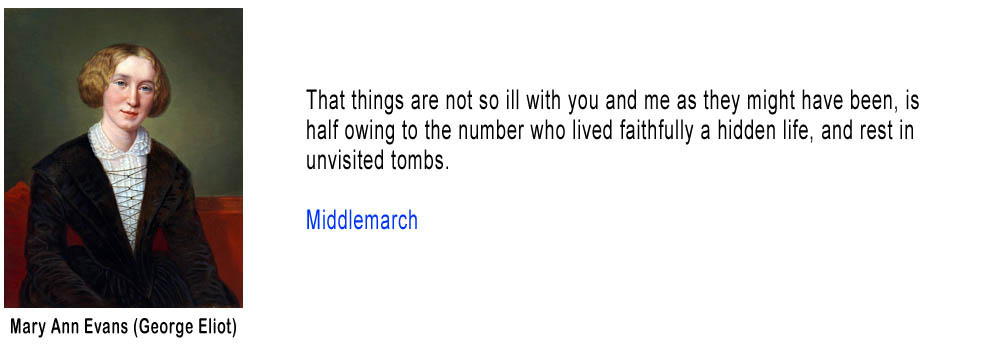
I don’t know whether the stories I read about people not being able to come up with four hundred bucks for an emergency are a sign of the times or a pretty universal condition. Think about Dr. Lydgate in Middlemarch or the father in Mill On The Floss . (If you have not read those works by George Eliot, finish this post and start on them. They are free on Kindle). If you are counting on your tax refund for solvency and your income is not on the abject poverty side, take a close look at your spending. It is really boring old fart advice, but sitting here in an RV in Florida at 67, I can tell you it works.
Follow Me
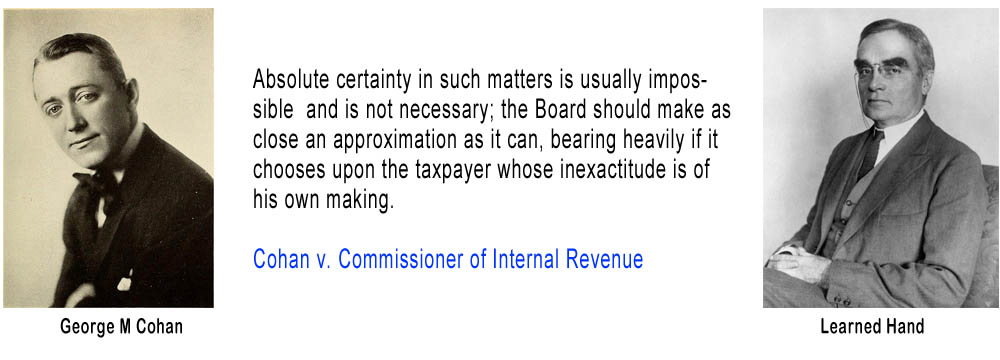
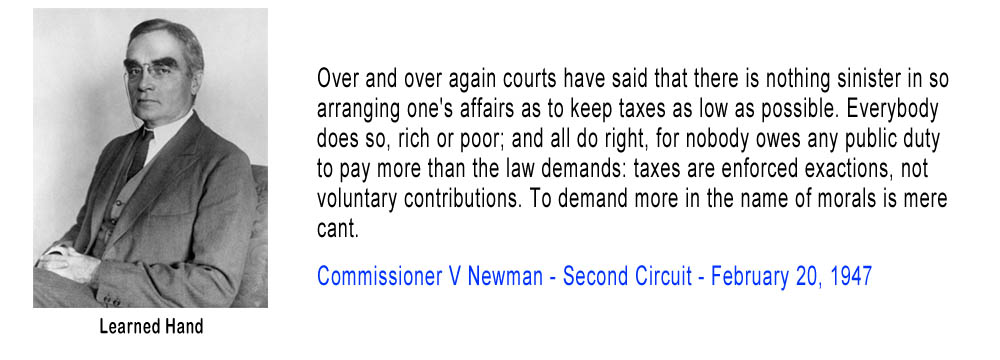
Over and over again courts have said that there is nothing sinister in so arranging one’s affairs as to keep taxes as low as possible. Everybody does so, rich or poor; and all do right, for nobody owes any public duty to pay more than the law demands: taxes are enforced exactions, not voluntary contributions. To demand more in the name of morals is mere cant.