Opportunity Zones – Look Great For Everybody Except Investors
Because of the way it is likely to connect to financial statement issues, the tax work on OZ funds probably is pretty much a lock for CPAs. EAs and unenrolled preparers probably don’t have much opportunity except insofar as their clients invest in OZ funds or own property in OZs.
If you are early in your career, what is the percentage in becoming your firm’s OZ expert? It could turn out to be a dead end, but there is always the example of Mike Novogradac who took out a flyer on the historic credit and LIHTC and now runs a top fifty firm with his name on the door.

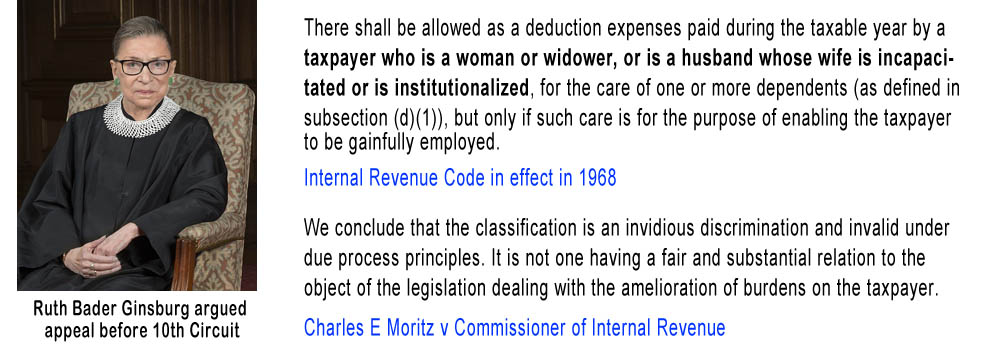
On The Basis Of Sex – About That Pentagon Computer
At any rate, when it comes to primary evidence I have James Bozarth who is portrayed as having come up with the idea, who indicates he never heard anything about it. And I have added to that. Richard Stone is listed as one of the attorneys on the brief going up to the Supreme Court. He wrote to me:
Sorry to disappoint, but a draft of the cert petition came to me in a neat package from the Tax Division. My job was to recommend to The S.G. Whether or not to file and to rewrite the draft. I would not have been involved in the gathering of information and have no recollection of the computer use.
That does not nail it, but I think that if Appendix E had represented a technological watershed like the breaking of Enigma, there would have been some scuttlebutt about it.
Follow Me
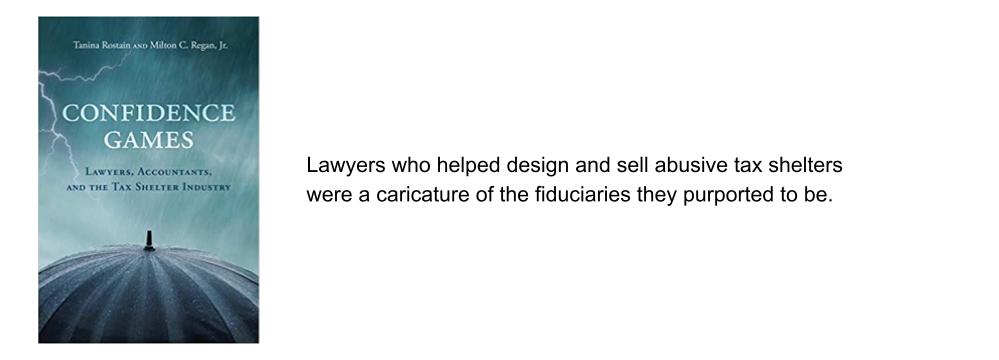
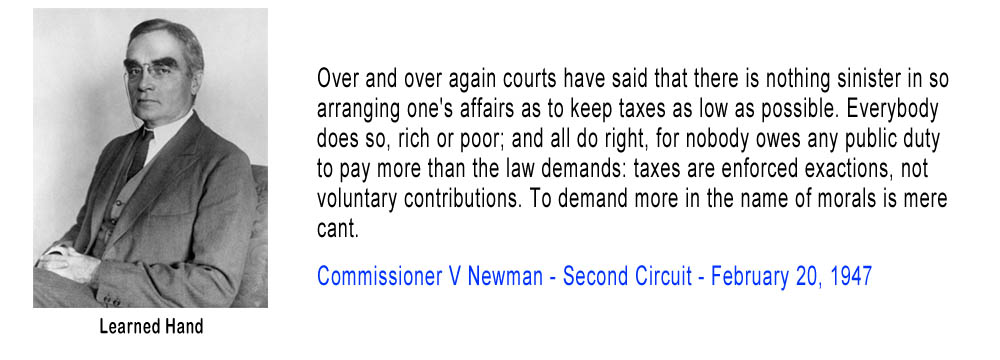
Over and over again courts have said that there is nothing sinister in so arranging one’s affairs as to keep taxes as low as possible. Everybody does so, rich or poor; and all do right, for nobody owes any public duty to pay more than the law demands: taxes are enforced exactions, not voluntary contributions. To demand more in the name of morals is mere cant.