






















Estate Of Monster.com Founder Tax Court Victory Reversed By Second Circuit
The lengths that a billionaire might go to avoid gain recognition is an indication of what I see as one of the great drivers of wealth inequality-unrealized appreciation. Most of us have to realize in some taxable form most accretions of wealth in order to spend it to live. Statistics about what people in different income classes pay as a share of the total income taxes collected do not capture that reality.

IRS Not Making Much Use Of Bank Currency Reports
Young Earth Creationist Kent Hovind is on something of a crusade against the injustice of his structuring convictions, although his narrative leaves out that he was convicted of other crimes also and subject to an enormous civil income tax deficiency. My theory about his outrage is that he had prepared himself to be charged with evasion by establishing a Cheek defense and was blindsided by structuring. The irony is that if he had just had his wife withdraw eleven grand when that is what they needed, the routine bank report might not have caused a ripple.
Follow Me
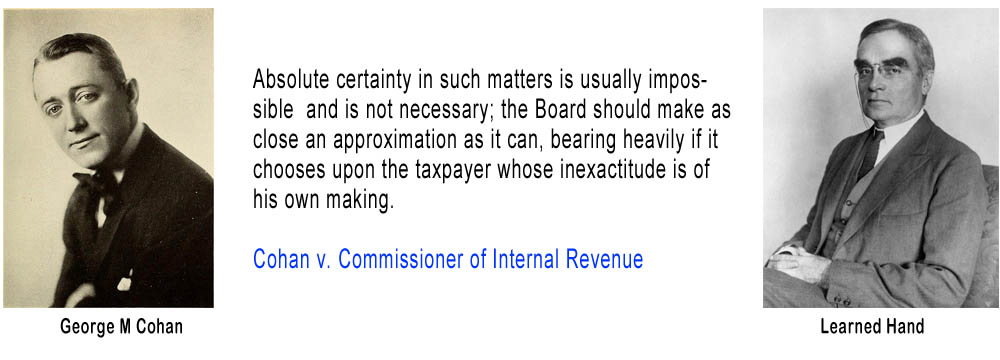
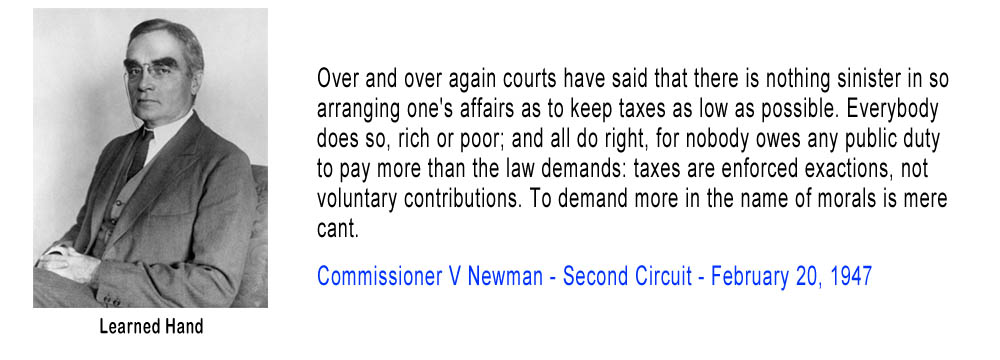
Over and over again courts have said that there is nothing sinister in so arranging one’s affairs as to keep taxes as low as possible. Everybody does so, rich or poor; and all do right, for nobody owes any public duty to pay more than the law demands: taxes are enforced exactions, not voluntary contributions. To demand more in the name of morals is mere cant.