
















Statute Of Limitations Can Sometimes Hurt Taxpayers
More important though is the practical point. Just don’t cut it so close. Mr. Elizalde had three years. Why not on April 1 (or better March 15) file with return receipt? If the return receipt is not back in a week or so, take some action to trace the envelope and refile if necessary, Some of the blame for this falls on the media which refers to April 15, as modified for weekend and holidays, as Tax Day. At any rate, Mr. Elizalde might have had a very good reason for cutting it so fine. I just can’t dream one up. Just remember, the last possible day is not the best possible day when it comes to tax filing.

How Tax Resistance Can Hurt Your Marriage(s) – The Kent Hovind Saga
Under the commitment of marriage, the husband takes a vow to care for and protect his wife, and to put her before anything else under God. I was not demanding extreme protection but refused to accept decisions that blatantly and foolishly welcomed risk, easy and valid attack, and the predictable demise of the life we were building together. The most disturbing aspect is that the problems I discovered were not accidental mistakes, nor were they impossible to correct. Instead, I had exposed and was demanding a complete revision of the planned, deliberate, voluntary way that Kent and his board are dedicated to operating DAL. Who was I to think I was going to persuade them all to change?
.
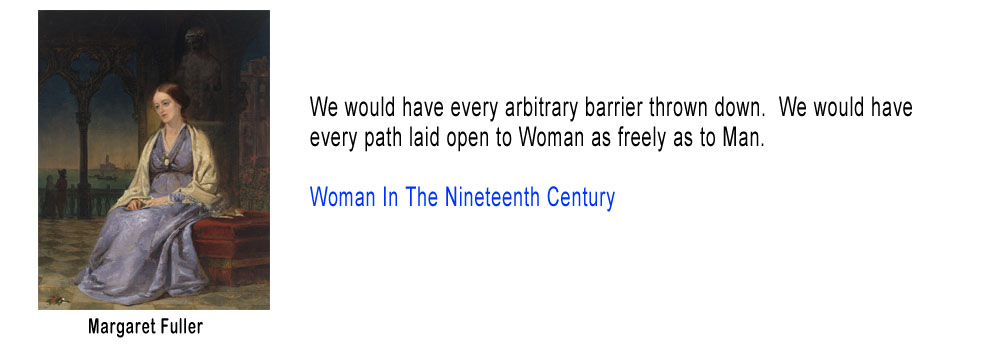
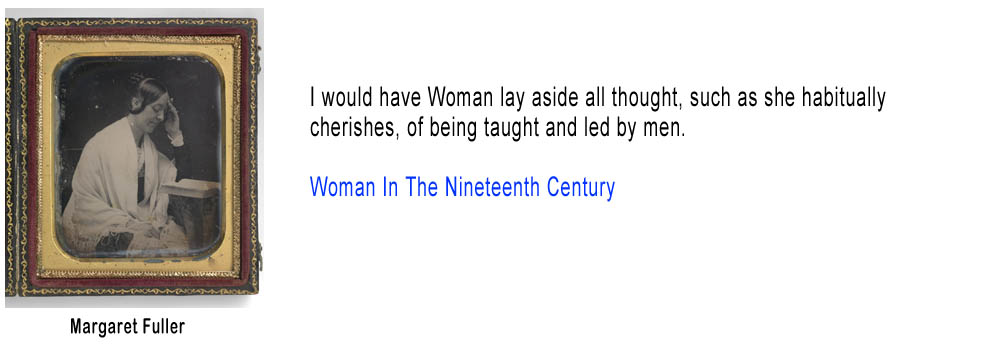
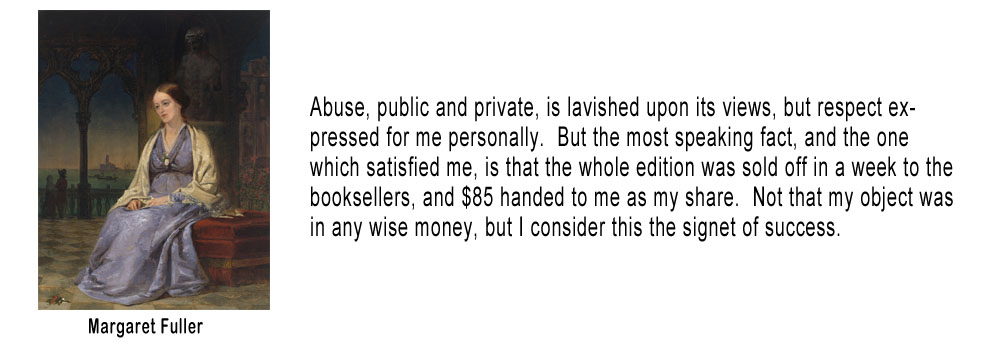
My marriage with Kent would have survived had I “been a good wife”, understanding that a woman’s place is in the home and her job is to support her husband without question. And a wife is certainly never to meddle in the men’s business affairs. Yes, our marriage would have survived for some time…
.
For all of the people who are just bursting with curiosity about why I left Kent Hovind, I will reduce it to one sentence. I decided I don’t want to play a lead role in the next debacle.
Follow Me
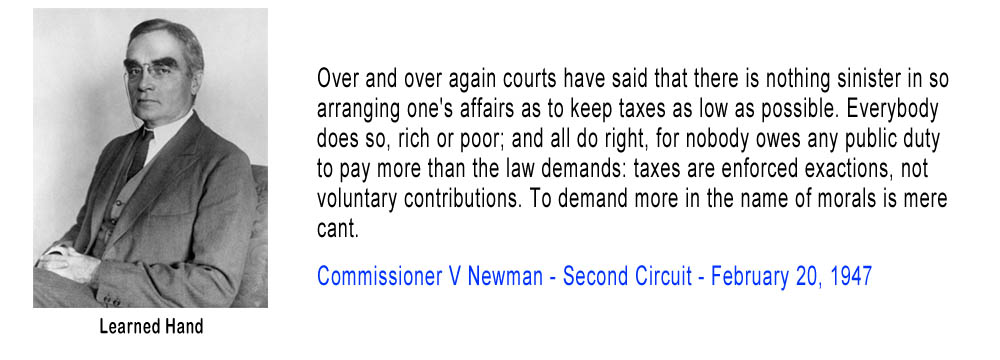
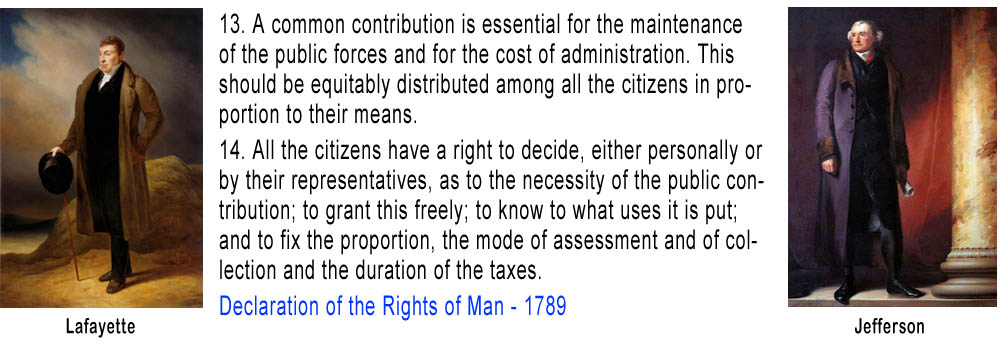
Over and over again courts have said that there is nothing sinister in so arranging one’s affairs as to keep taxes as low as possible. Everybody does so, rich or poor; and all do right, for nobody owes any public duty to pay more than the law demands: taxes are enforced exactions, not voluntary contributions. To demand more in the name of morals is mere cant.