GOP Tax Bill: Beer, Wine & Whiskey Makers Get A Break
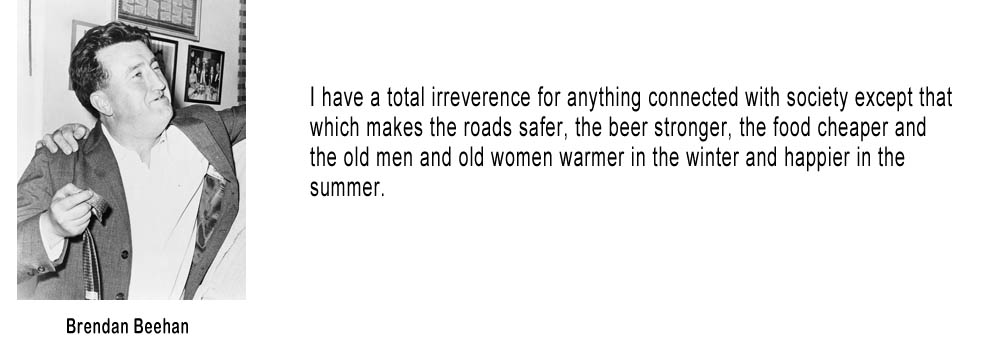
The alcoholic provisions all came from the Senate. I’ve been so absorbed in studying the bill that I have not been able to devote much time to reports of the sausage making. According to this story Justin Kendall in Brewbound gives credit to Senators Roy Blunt and Rob Portman. The thing about the political dynamics of the bill is that any Republican Senator willing to hold his or her breath till turning blue can get a puppy or a case of beer or something to bring them around. So that’s probably the way it went. My theory that Senators saw the House Bill and all decided to go out and get drunk doesn’t hold that much water, but it is entertaining.
One of my best friends from high school tweeted about these provisions that you gotta love that if you are Irish. Ethnic stereotypes are a really bad thing regardless of any statistical basis of this or that group having more than its share of this or that vice or virtue. What is really bad is when the group rather than objecting to a bad characterization embraces it. You will find that most groups who do this satisfy themselves by joking about themselves – but not us. We have to take a religious holiday and dedicate it to binge drinking. That is really bad. So please support Sober St. Patrick’s Day.
How To Enjoy The Tax Cuts And Jobs Act – Part 2
I was really pleased that they left 1031 intact for real estate. Its repeal would create a crisis in the market for net lease commercial real estate, which is fueled by 1031 money. But the fact that they eliminated it for everything else, makes me nervous.
Follow Me
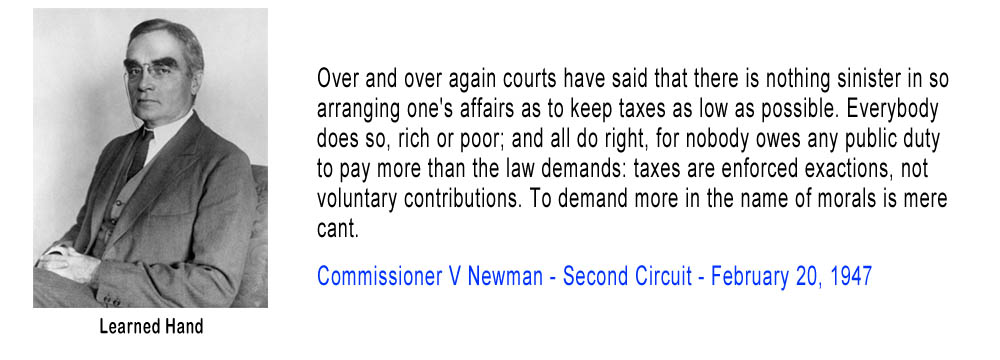
Over and over again courts have said that there is nothing sinister in so arranging one’s affairs as to keep taxes as low as possible. Everybody does so, rich or poor; and all do right, for nobody owes any public duty to pay more than the law demands: taxes are enforced exactions, not voluntary contributions. To demand more in the name of morals is mere cant.