



























Tax Court Expects Better Tax Judgment From Submarine Skipper Than CPA/Lawyer
What really impresses me about Mr. McNeill is his first career. He graduated from Annapolis in 1962 and served in the Navy until retirement, at the rank of commander, in 1981. His most notable assignment, to me anyway, was command of USS Tautog SSN-639. I have this fascination with submarine skippers and devour their memoirs, a topic which I never expected to work into this blog, but here it is. Tautog was a Sturgeon-class fast attack submarine. Command of a nuclear submarine and command of the Naval Nuclear Power School convince me that Commander McNeill had an awful lot on the ball.

Playboy Building In Tax Court
The prospect of the appeal is intriguing, given what happened with the Kaufmans. They won in the First Circuit, so the Tax Court had to take another look at the facts without considering the lack of mortgage subordination. That led to the determination that the easement was worthless since based on the neighborhood (the South End in Boston), there were already substantial restrictions on messing with the facade. I covered that decision also.
Follow Me
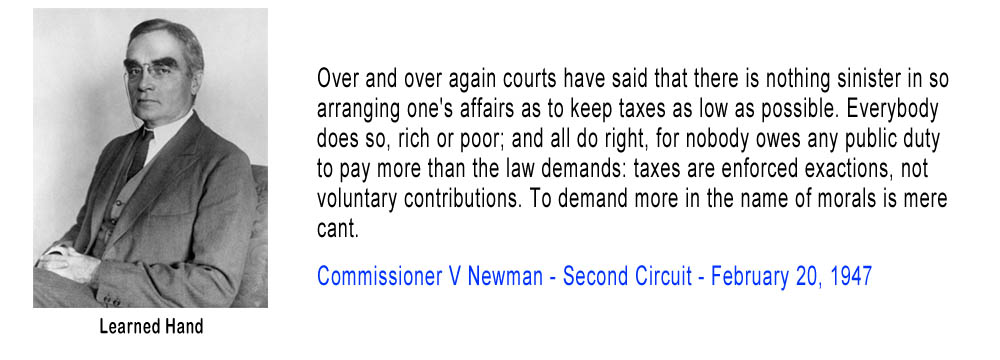
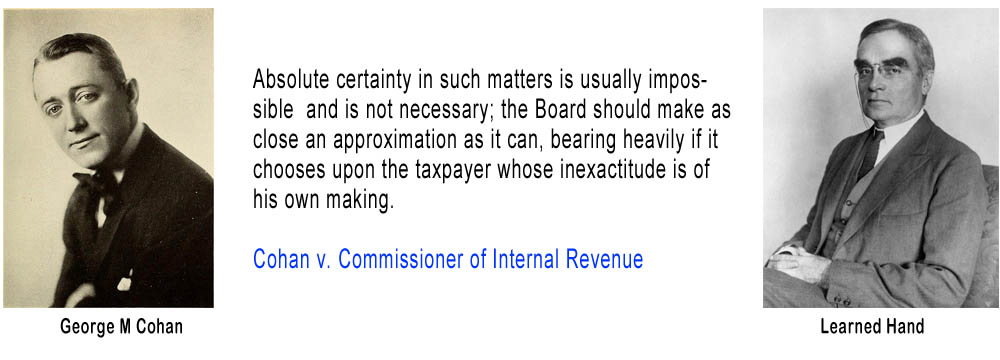
Over and over again courts have said that there is nothing sinister in so arranging one’s affairs as to keep taxes as low as possible. Everybody does so, rich or poor; and all do right, for nobody owes any public duty to pay more than the law demands: taxes are enforced exactions, not voluntary contributions. To demand more in the name of morals is mere cant.