













Match Group CEO Wins Tax Case By Arguing His Heart Was In Texas With His Dog
Phil Dardeno, my go to Massachusetts SALT guy, told me once that the true home, the real domicile is where the family pictures are. It was different for Mr. Blatt. He started going to the gym in Dallas, something he had never done in New York and having his prescriptions filled there. And of course there were the basics of a drivers licenses and voters registration. The really big sign though was the dog.
Two Cousins Far Apart In the Spring Of Tin Soldiers And Nixon
As a reflection on the late sixties, my Xavier series has two serious flaws. Well two that I notice anyway. Xavier was a single sex high school. I still believe that...
Follow Me
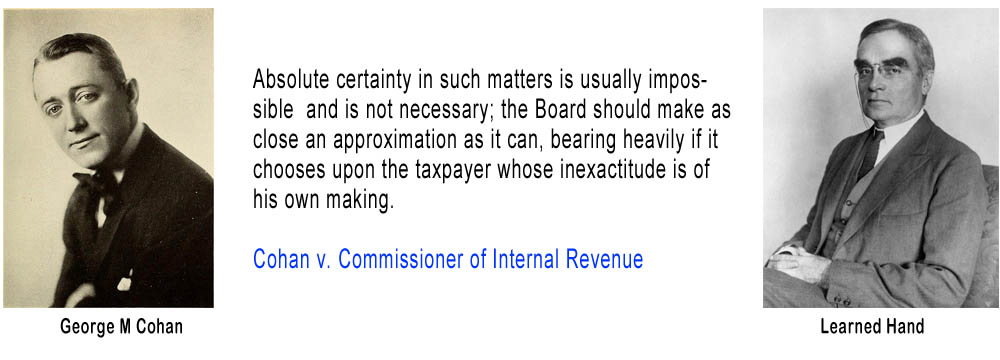
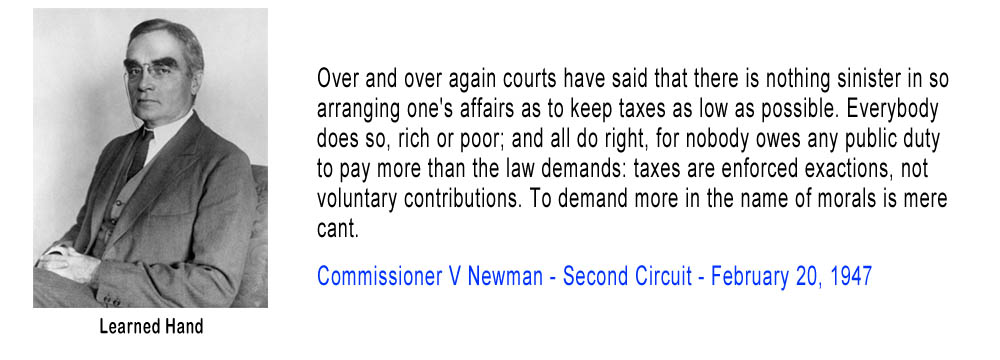
Over and over again courts have said that there is nothing sinister in so arranging one’s affairs as to keep taxes as low as possible. Everybody does so, rich or poor; and all do right, for nobody owes any public duty to pay more than the law demands: taxes are enforced exactions, not voluntary contributions. To demand more in the name of morals is mere cant.