















































An Examination Of IRS Startling Argument On Gender Confirmation Surgery
The IRS lost badly in Tax Court. a decision I covered in the very dawn of my blogging career. In a pretty unusual move, the IRS signaled its acquiescence in the decision. Of course, that was during the Obama administration. All in, the Traditional Values Coalition arguably shot itself in the foot by pressuring the IRS to take on this fight. The whole matter along with the fight over DOMA was the inspiration for Reilly’s First Law of Tax Policy – Make tax policy the Switzerland of the culture war.
President Trump has gone on record on trans issues by indicating that Caitlyn Jenner can use whatever bathroom she feels most comfortable within Trump’s properties. So perhaps there will not be another shift with the new administration.

Decision On Clergy Housing Tax Benefit Coming This Summer
So if FFRF wins, this matter becomes a concern for church budgets in 2019. I’m hoping there will be a “Make Our Pastor Whole” movement. My experience with small congregation governance is that generally, the problem is people thinking things should be able to run with them dropping the same amount in the plate that their grandparents did forgetting that grandma baked nine million cookies to sell and grandpa painted the church himself. Maybe this will serve as a wake-up call.
Follow Me
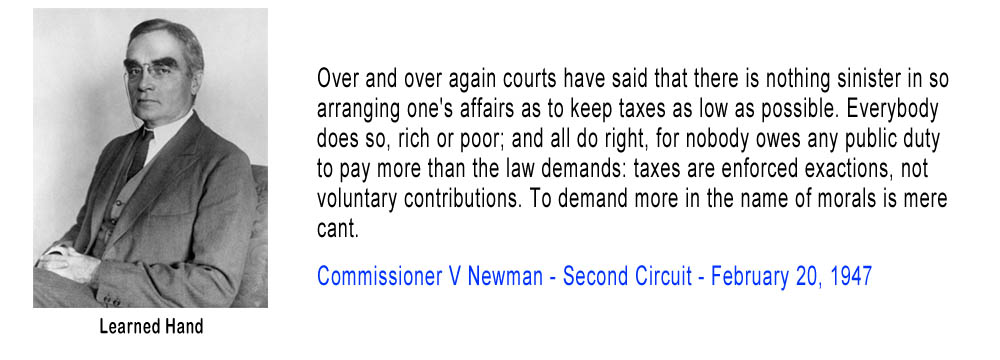
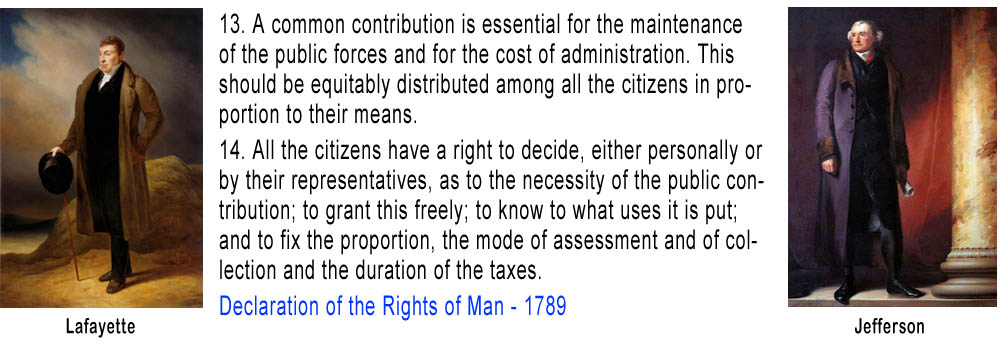
Over and over again courts have said that there is nothing sinister in so arranging one’s affairs as to keep taxes as low as possible. Everybody does so, rich or poor; and all do right, for nobody owes any public duty to pay more than the law demands: taxes are enforced exactions, not voluntary contributions. To demand more in the name of morals is mere cant.