






















































Ninth Circuit Upholds Tax Court In Disallowing RV Business Deductions
The Jacksons made a really good case that attendance at RV rallies was an integral part of their insurance business which involved the sale of policies tailored to RVs. Any personal use, even watching some TV would count against them as a personal use day causing them to break the fourteen-day limit. My own speculation was that perhaps if they had gotten rid of the kitchen appliances, they might have moved the RV out of the dwelling unit definition, but I’m not sure that would have worked.

Xavier High School Memories Of The First Inspection
One of my early blogging goals was to become the "Tom Sawyer" of blogging by getting other people to create material for me. Sadly one of the occasional edicts from...
Follow Me
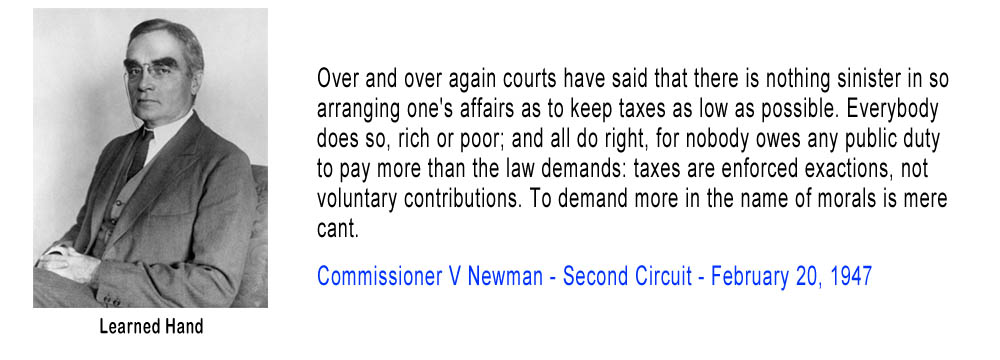
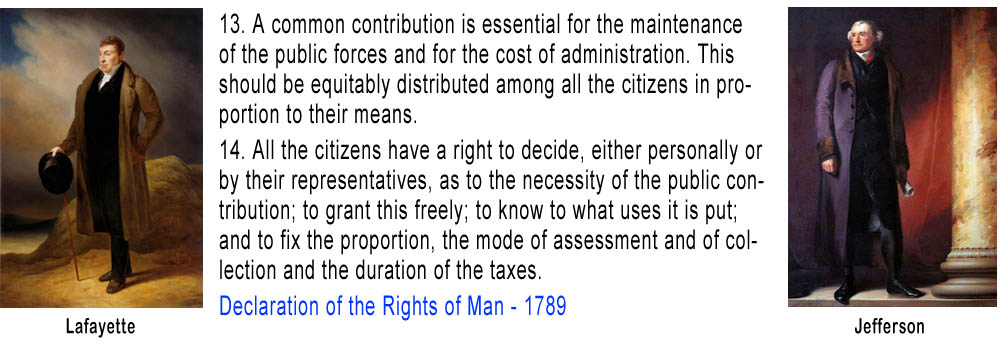
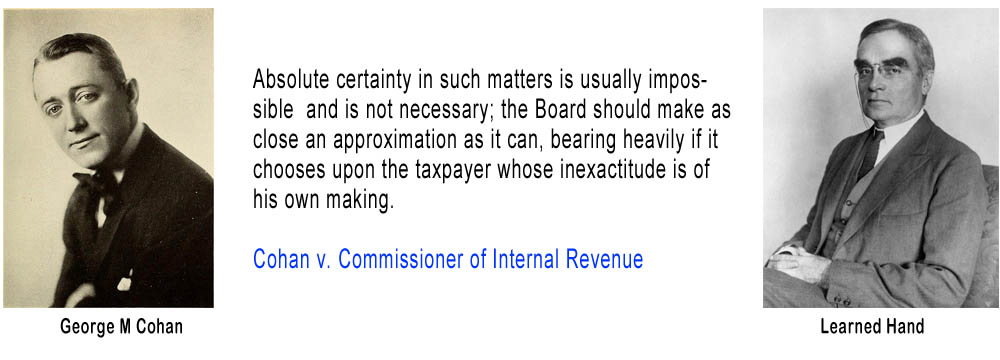
Over and over again courts have said that there is nothing sinister in so arranging one’s affairs as to keep taxes as low as possible. Everybody does so, rich or poor; and all do right, for nobody owes any public duty to pay more than the law demands: taxes are enforced exactions, not voluntary contributions. To demand more in the name of morals is mere cant.