





























Donald Trump’s 1995 Return And A Lesson In Unrealized Appreciation
Buried in all these maneuvers is an aspect of our tax system that while being the feature that probably most contributes to wealth inequality is seldom remarked on. Unrealized appreciation is never subject to income tax. And when I look at the top people in the Forbes 400. I see lots of unrealized appreciation starting with Bill Gates with Microsoft and Warren Buffett with Berkshire-Hathaway (which I should note makes up a very large percentage of my unspectacular net worth)
Real estate turbocharges the unrealized appreciation feature since you are allowed depreciation deductions on real estate and real estate is one of the easier things to leverage. But for it all to not fall apart your real estate better appreciate if you are heavily leveraging it.
Donald Trump’s 1995 Return: What The New York Times Missed
Nobody thinks that Trump started with $916 million which he expended on deductible items to create a loss. He did it with other people’s money – debt. The thing about debt is that you might have to earn money to pay it back in which case you have taxable income without cash flow. Those of us who lived through that era remember well the pain of clients dealing with the burned-out tax shelters that had gone through the dreaded cross over. There were three ways out of a burned-out tax shelter. One was this complex maneuver with grantor trusts that did not actually work. The other two which did work were to give it to your wife and divorce her or die.
Follow Me
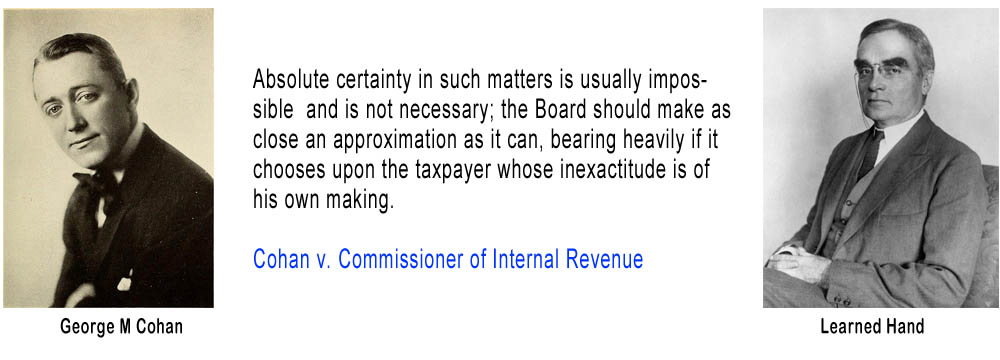
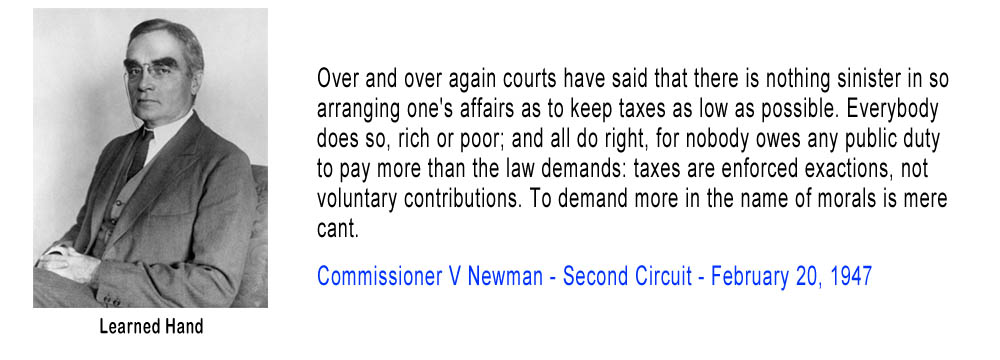
Over and over again courts have said that there is nothing sinister in so arranging one’s affairs as to keep taxes as low as possible. Everybody does so, rich or poor; and all do right, for nobody owes any public duty to pay more than the law demands: taxes are enforced exactions, not voluntary contributions. To demand more in the name of morals is mere cant.
