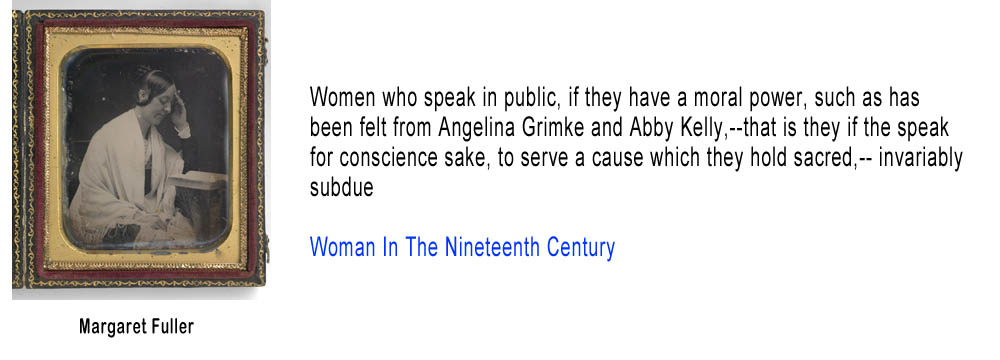




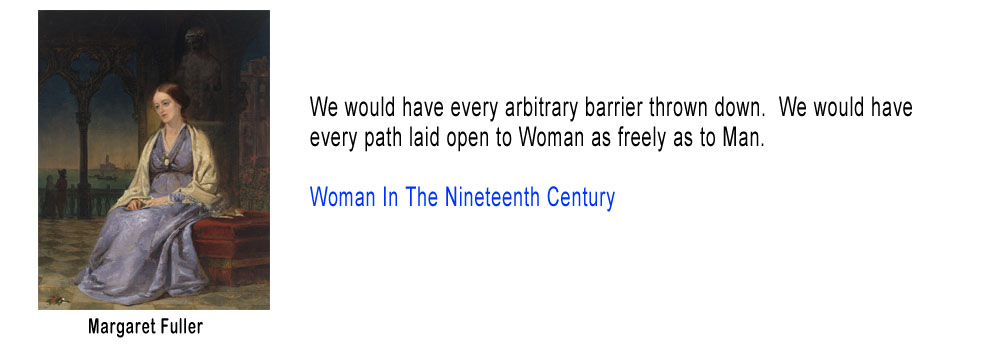
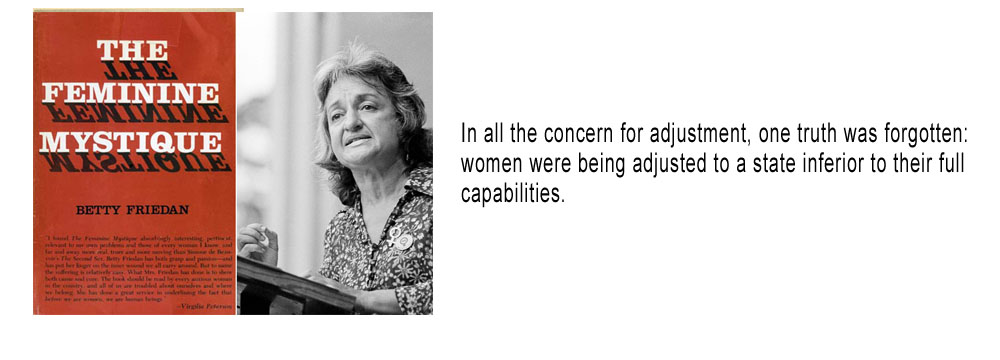

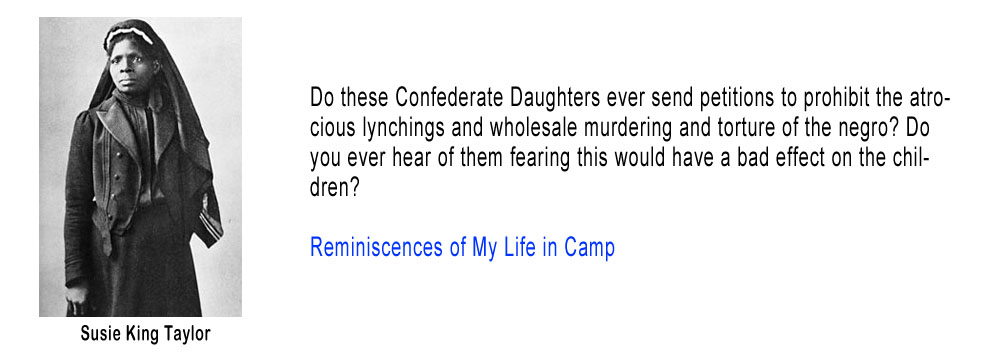



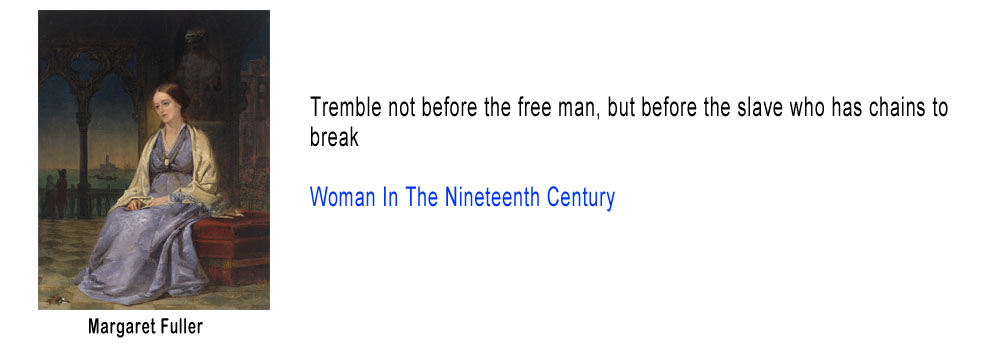










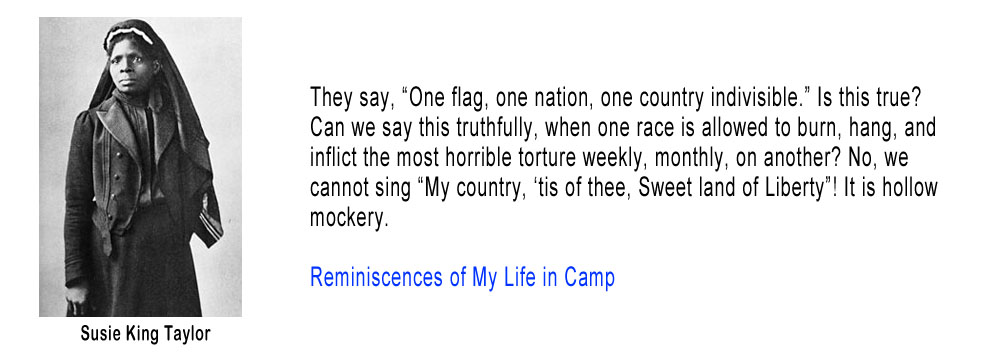
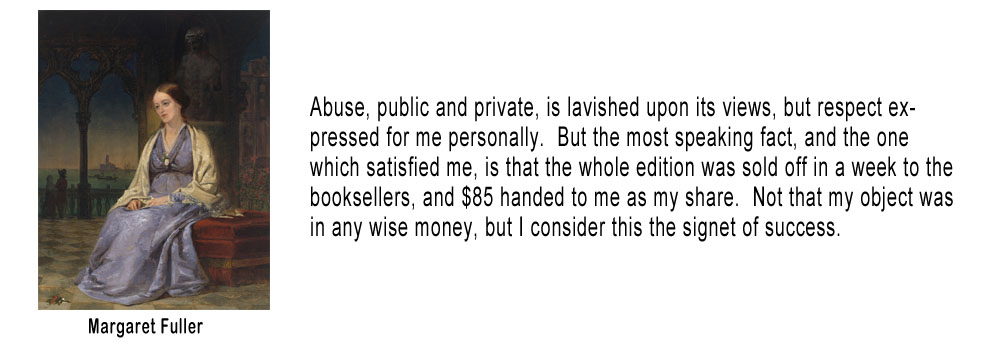










Not Every Women’s Rights Narrative Starts At Seneca Falls
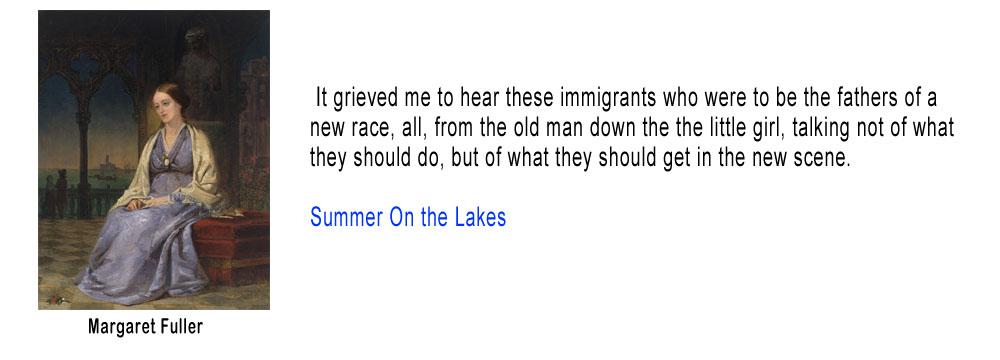
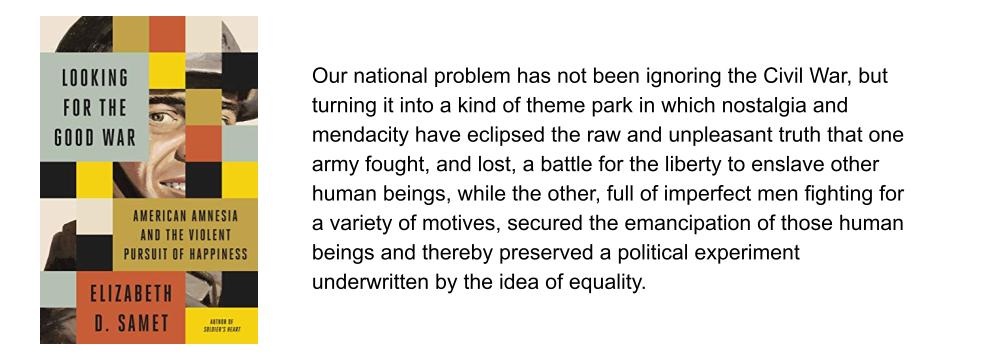
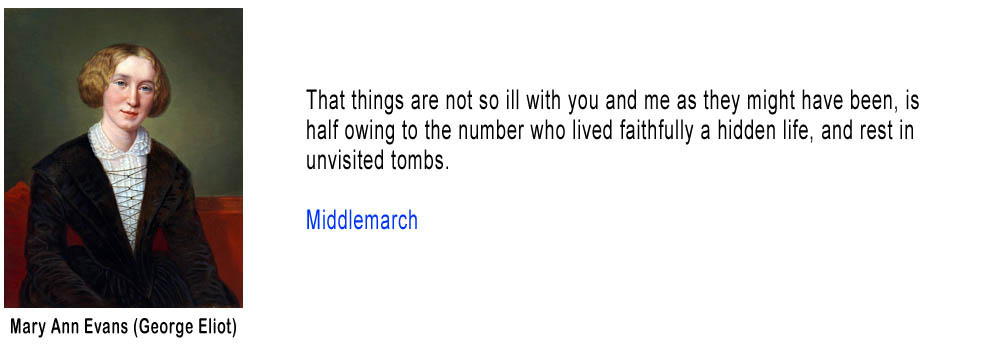
.....memory is made, not found and what we remember matters. - Lisa Tetrault This post is something of a personal reaction to The Myth of Seneca Falls: Memory...
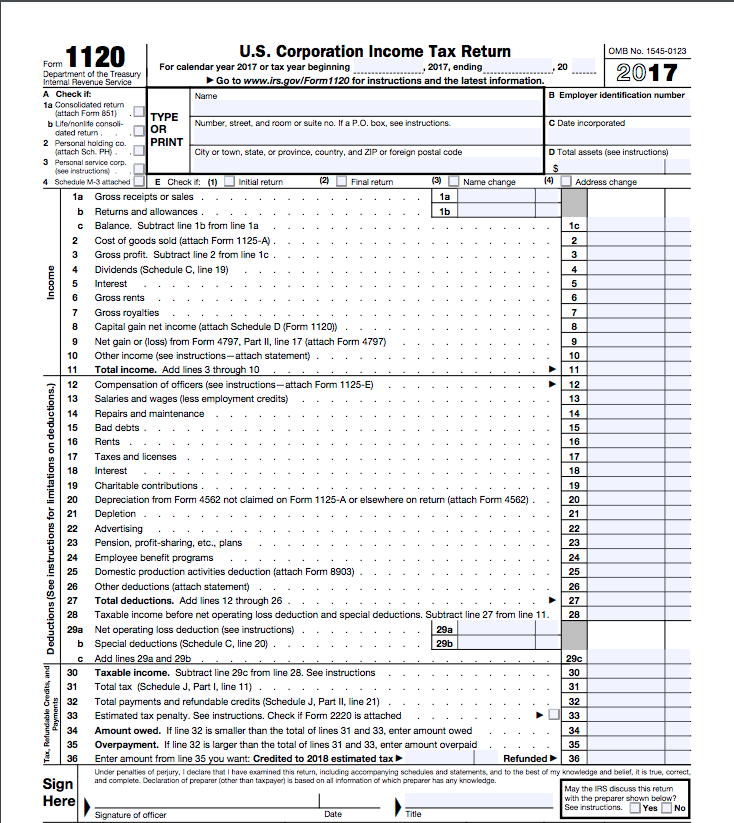
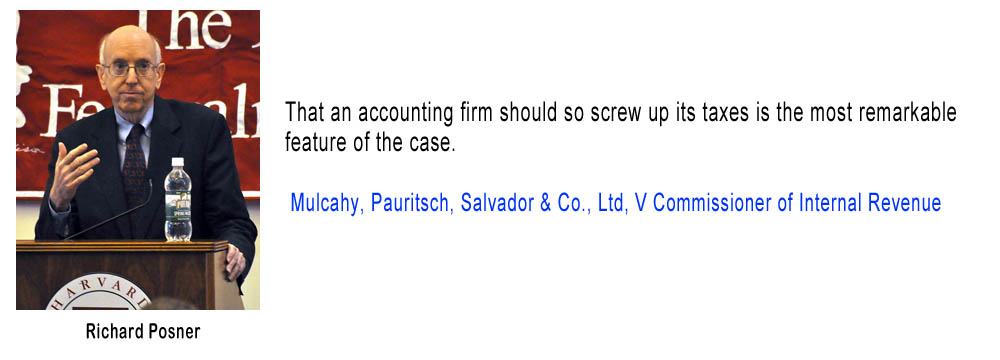
How Much Do Large Corporations Pay In Income Tax ? Probably Less Than You Think
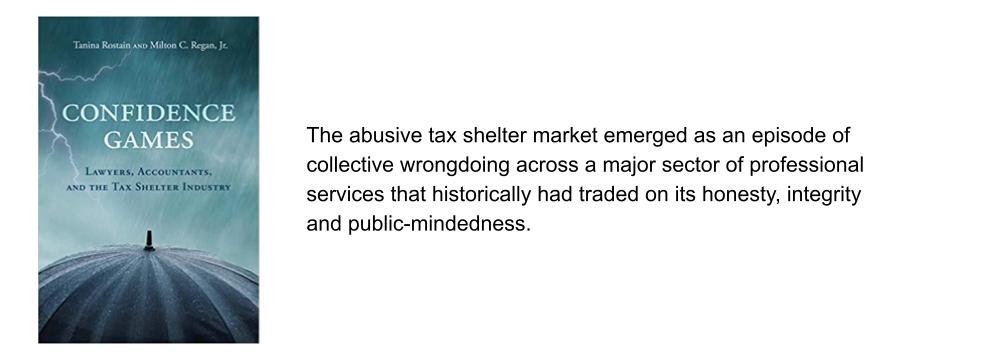
In the case of BH, much of the difference comes from faster depreciation for tax purposes In one of the debates Donald Trump mentioned how much he loves depreciation. Warren Buffett has a more nuanced view of it). Berkshire’s net deferred tax liability grew by $1.263 billion. And as long as the company continues to put more property in service, at least on a dollar basis, than it retires that deferred tax liability, currently $63.199 billion will likely continue to grow.
Follow Me
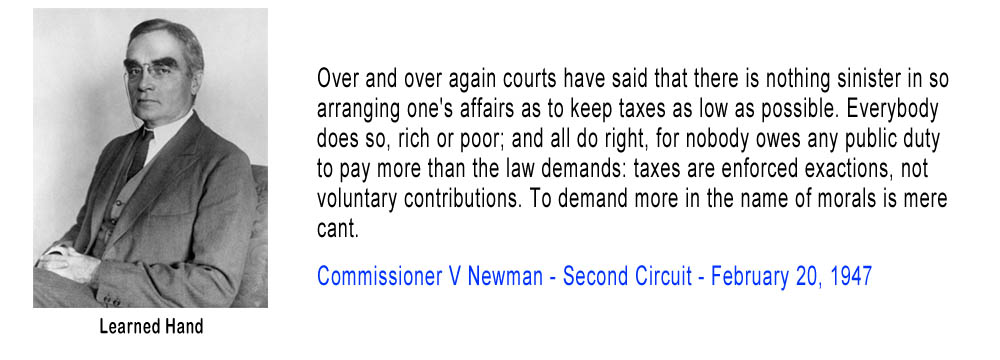
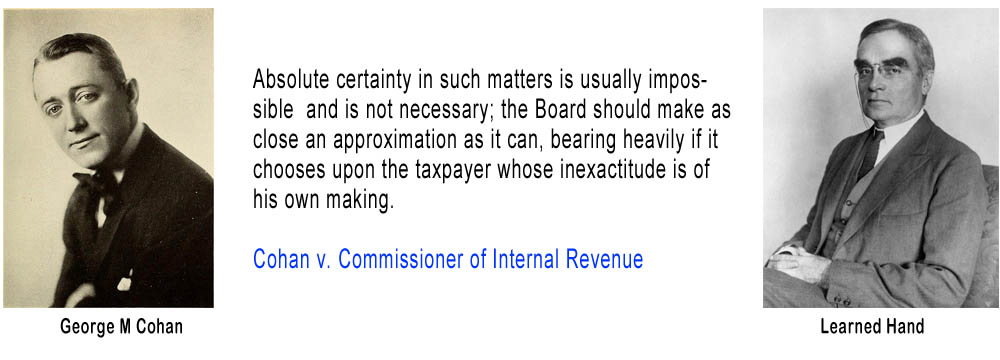
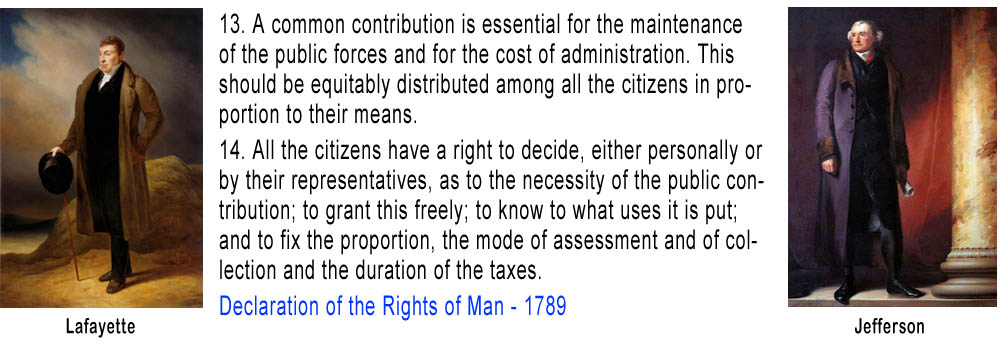
Over and over again courts have said that there is nothing sinister in so arranging one’s affairs as to keep taxes as low as possible. Everybody does so, rich or poor; and all do right, for nobody owes any public duty to pay more than the law demands: taxes are enforced exactions, not voluntary contributions. To demand more in the name of morals is mere cant.