
The Unintended Tax Loophole That Might Have Saved Donald Trump Big Bucks
What strikes me as improbable is that there was an S Corporation that held enough of the Trump empire to facilitate a nearly billion-dollar free basis step-up that does not show up in the public record anywhere. Like the proverbial economist who stranded on an island suggests that he and his companions “assume a can opener”, Lee Sheppard assumes an S corporation. While it might be common to use an S corporation as a 1% general partner, that would not be enough to pull this off. At least in my experience, you don’t want to have the bulk of a real estate investment in an S corporation, because, unlike a partnership, you don’t have basis in the entity’s indebtedness making me less inclined to assume an S corporation, particularly since no one seems to be putting forth a candidate.
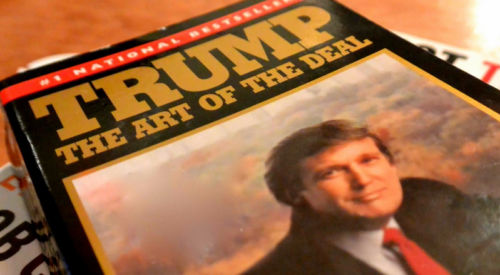
Donald Trump’s 1995 Return And A Lesson In Unrealized Appreciation
Buried in all these maneuvers is an aspect of our tax system that while being the feature that probably most contributes to wealth inequality is seldom remarked on. Unrealized appreciation is never subject to income tax. And when I look at the top people in the Forbes 400. I see lots of unrealized appreciation starting with Bill Gates with Microsoft and Warren Buffett with Berkshire-Hathaway (which I should note makes up a very large percentage of my unspectacular net worth)
Real estate turbocharges the unrealized appreciation feature since you are allowed depreciation deductions on real estate and real estate is one of the easier things to leverage. But for it all to not fall apart your real estate better appreciate if you are heavily leveraging it.
Follow Me
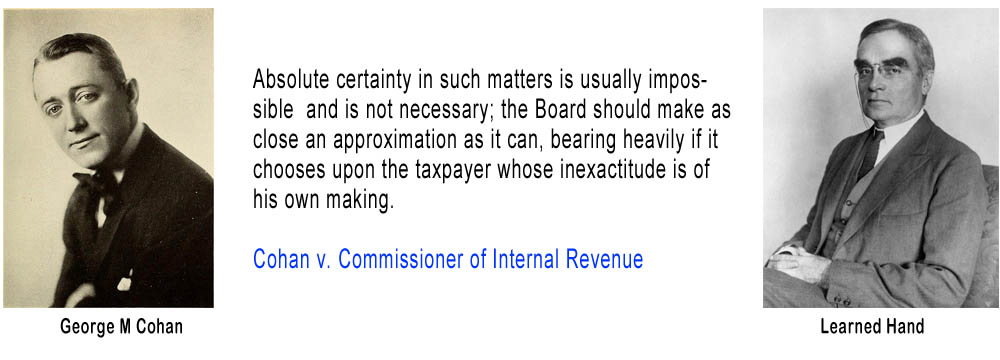
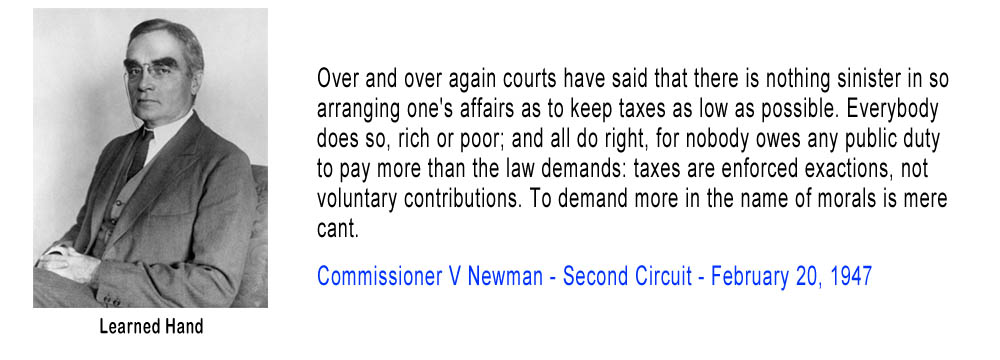
Over and over again courts have said that there is nothing sinister in so arranging one’s affairs as to keep taxes as low as possible. Everybody does so, rich or poor; and all do right, for nobody owes any public duty to pay more than the law demands: taxes are enforced exactions, not voluntary contributions. To demand more in the name of morals is mere cant.