Freedom From Religion Foundation Has Clear Path To Challenge Clergy Housing Tax Break
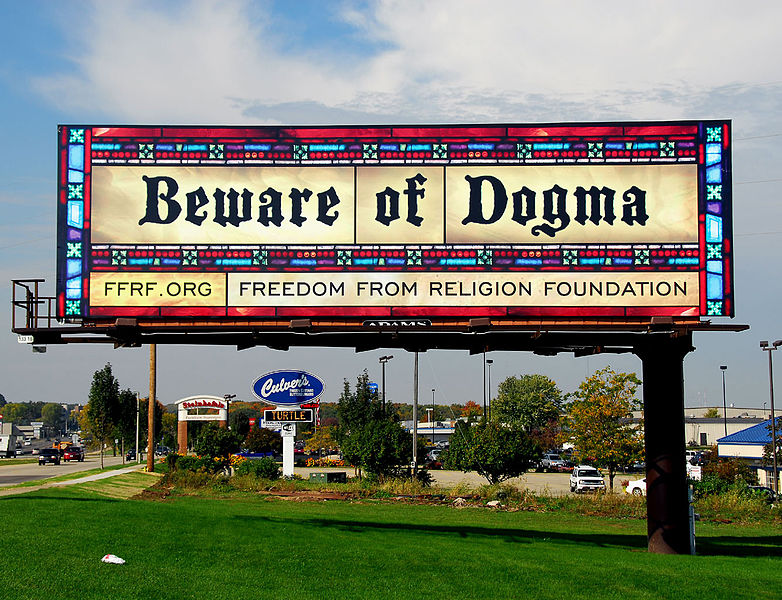
For the most part though, defense of the clergy housing break is a great source of ecumenical spirit. In the last round of litigation there was an amicus brief in defense of the constitutionality of Section 107 that included among others The International Mission Board of the Southern Baptist Convention, The Greek Orthodox Metropolis of Chicago, The Islamic Center of Boca Raton, and The International Society of Krishna Consciousness.
Experts Comment On Tom Clancy Estate Litigation
Never, ever use a codicil. A Codicil requires just as much formality as does a will, and so the better practice is to sign an entirely new will rather than use a codicil. In this case, that fact that Tom Clancy revoked the prior will (with the language making the Family Trust taxable) and only had the language that makes it qualify for the marital deduction, there would be much less ambiguity. This is also true not only for technical corrections like this but also when you change your mind about bequests in a Will. For example, Aunt Mabel may make Nephew Phil very happy with a $10,000 gift under her new will, or very mad if she reduces a $50,000 gift under her prior will using a codicil.
Use models, and flow charts to illustrate what the plan should do when explaining the effects to the client. This case revolves around intent. If you could clearly illustrate the cash flow (and tax effect) of the revised language as explained to Clancy before he signed the new document, it is ancillary evidence of his intent in executing the document. Even though for you this is elementary math, for us medieval history majors, it is about as clear as mud. A picture is worth a thousand words (or a will contest).
Follow Me
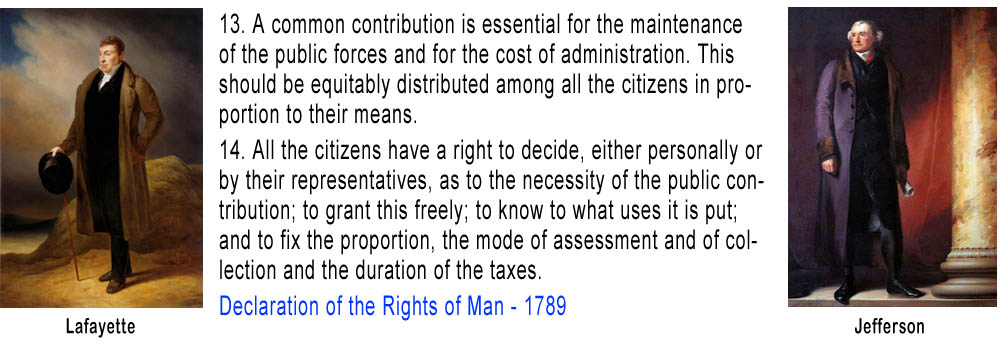
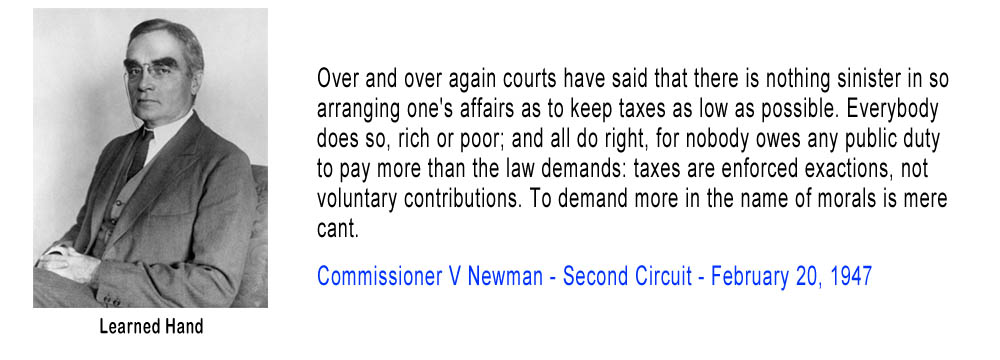
Over and over again courts have said that there is nothing sinister in so arranging one’s affairs as to keep taxes as low as possible. Everybody does so, rich or poor; and all do right, for nobody owes any public duty to pay more than the law demands: taxes are enforced exactions, not voluntary contributions. To demand more in the name of morals is mere cant.