













Saga Of An Entrepreneurial Family Catching A Tough IRS Audit
The core of the McMinn empire was the embroidery machine business. They find embroidery machines, buy them, refurbish them and sell them. Quite a few go to Mexico. They also capitalize on their expertise in knowing how to move these machines around. It is a profitable business. There is more than one entity involved and I am going to gloss over those details. Read the case if you are interested.
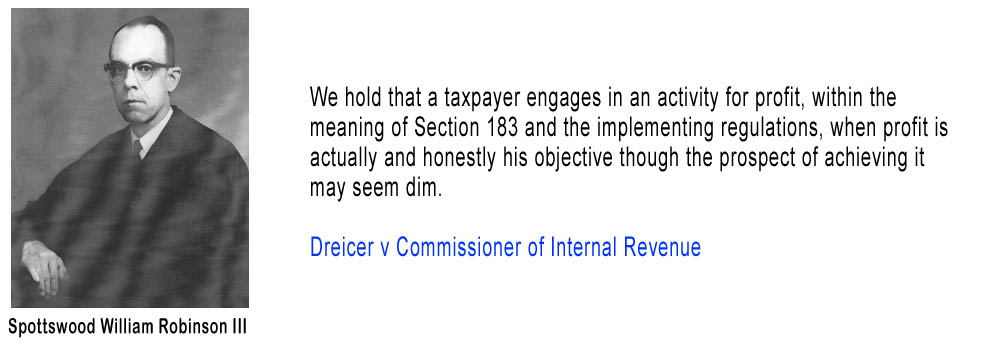
Then there was the cattle business, which did not do too well, so they were converting that to deer ranching. And the resort. Not to mention the juice business. Juice Plus. a multi-level marketing operation. The McMinns ended up getting hammered on three issues, Section 183, the so-called hobby loss rules, wages that they paid their numerous children, and substantiation. The substantiation piece is the most important lesson that the decision holds for us. If you have mixed personal and business use of expensive assets, keep logs.
The Guardian Seeks Transparency In Amazon Tax Court Case
Guardian has not cited, and our own research has not discovered, any instance in which this Court, or any other court, has been asked to decide whether a media organization should be allowed to intervene in a pending Federal tax controversy. Guardian’s motion presents novel questions, both as to the proper standards for intervention in the absence of any Rule governing the subject, and as to whether the IRS, as an agency of the United States, adequately represents Guardian’s interest in public disclosure.
Follow Me
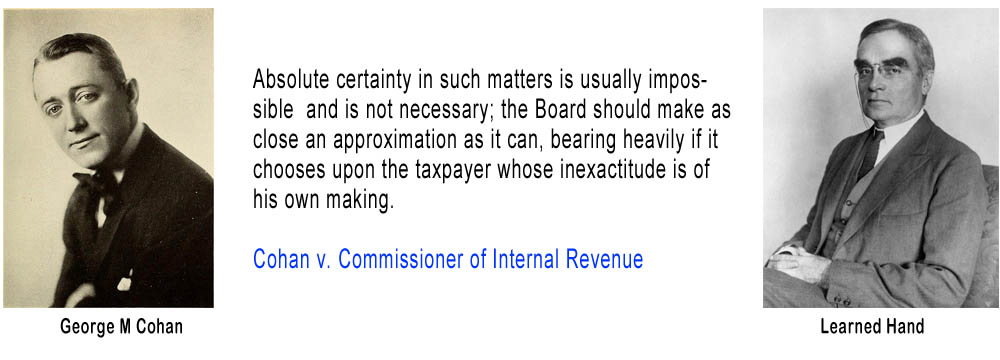
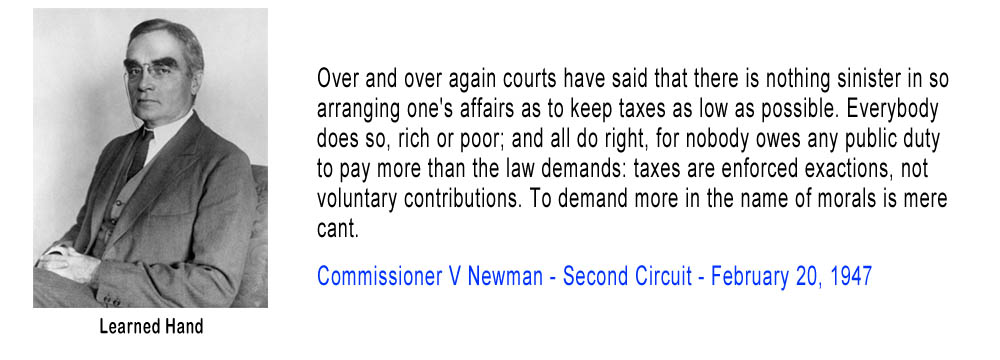
Over and over again courts have said that there is nothing sinister in so arranging one’s affairs as to keep taxes as low as possible. Everybody does so, rich or poor; and all do right, for nobody owes any public duty to pay more than the law demands: taxes are enforced exactions, not voluntary contributions. To demand more in the name of morals is mere cant.