






Restoring Fifties Plymouths Ruled Business Not Hobby By Tax Court
The critical element, in my view, is adjusting your behavior as you see that things are not working. You will see people who win horse cases on the same grounds. Amway Independent Business Owners on the other hand always seem to keep on keeping on in the face of persistent losses.
Mr. Main did not avoid the common problem of attorneys in Tax Court. He lost some of his deduction for lack of substantiation. That was the story of the great F. Lee Bailey, who is now filing for bankruptcy. He won against the IRS on a highly technical issue and split with them on hobby loss, but got absolutely killed when it came to substantiation. Mr. Main, on the other hand, seems to have only given a bit on that issue.
Anachronism In Richard Russo’s Everybody’s Fool?
It is hard to believe that I could catch an otherwise unremarked anachronism in a novel by a major novelist that was published by Alfred Knopf. Well maybe it's just...
Follow Me
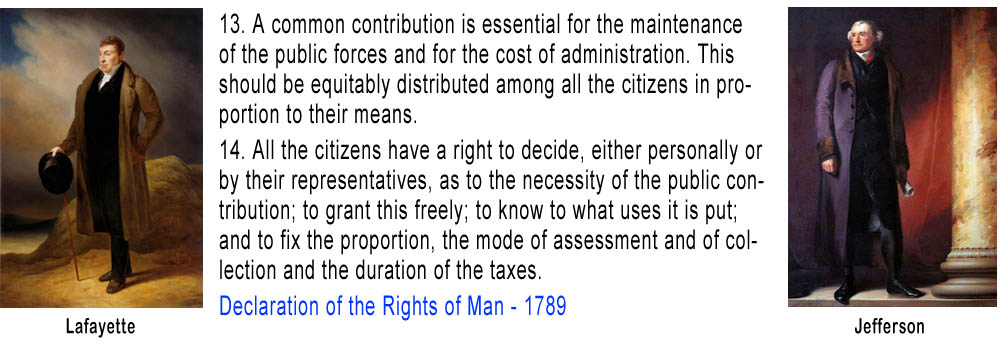
Over and over again courts have said that there is nothing sinister in so arranging one’s affairs as to keep taxes as low as possible. Everybody does so, rich or poor; and all do right, for nobody owes any public duty to pay more than the law demands: taxes are enforced exactions, not voluntary contributions. To demand more in the name of morals is mere cant.