






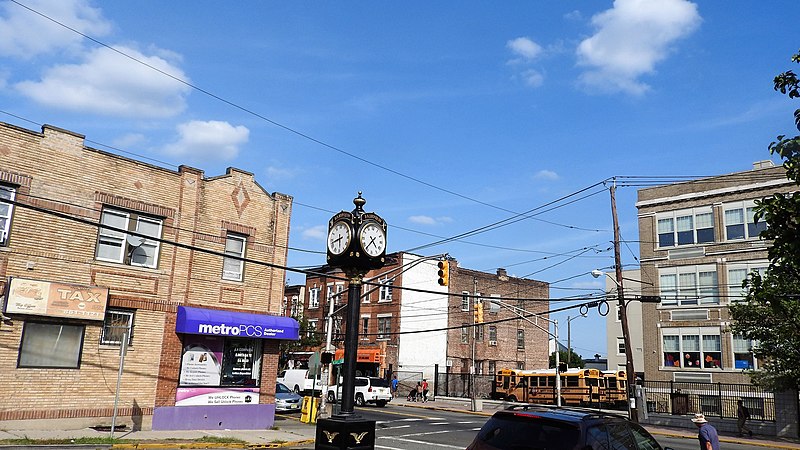
Transgender Comic Julia Scotti Blows The Doors Off Fairview Famous
It takes a Jersey girl, or in this case, a transgender woman, to not only have the bravery to come out on national television, but to drop the F-bomb as well!...
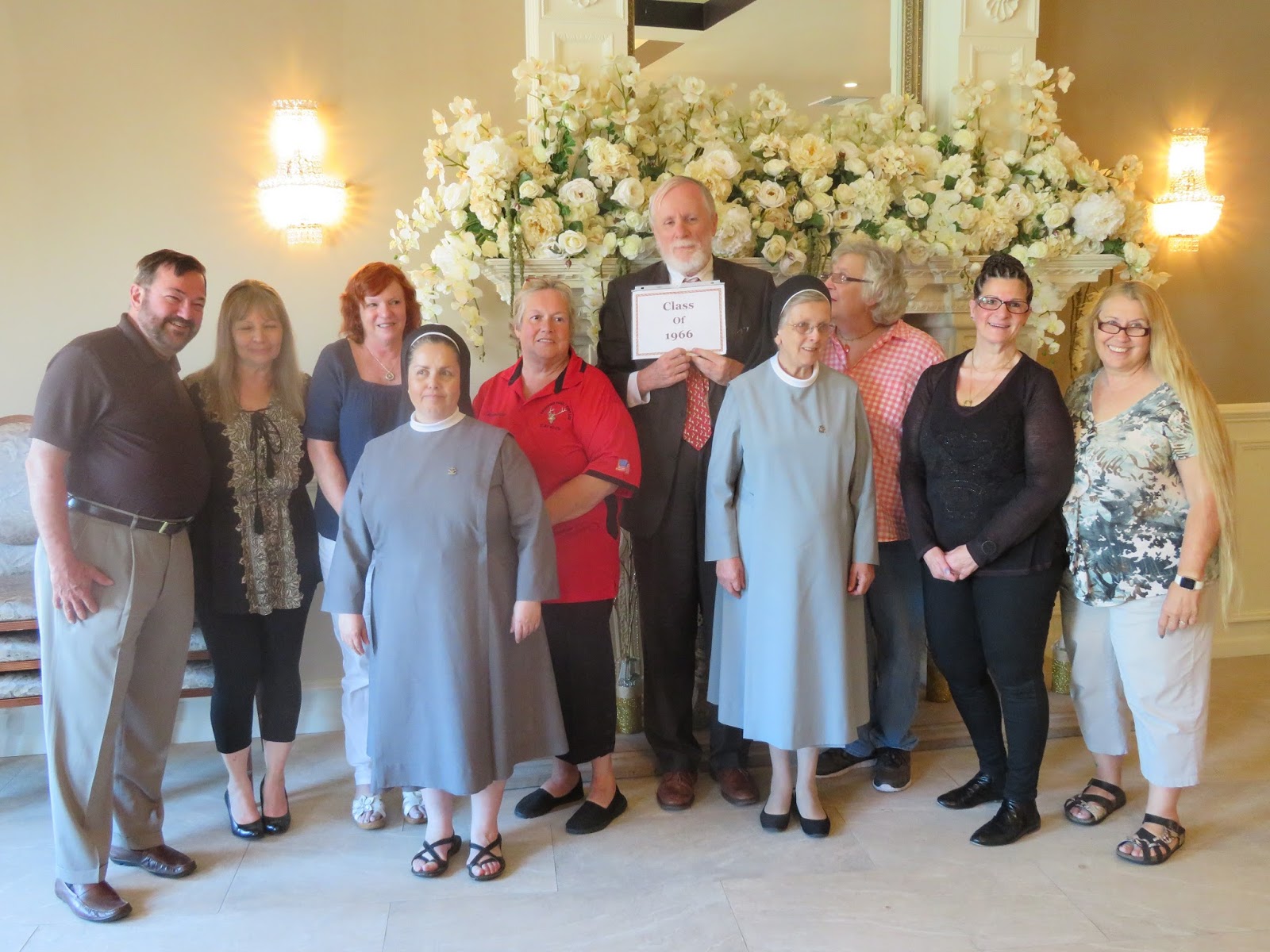
Remembrance Of Things Past – St. Johns Fairview Class Of 1966
I have to admit that I am a bit pleased with myself for having pulled off a fiftieth reunion for my grammar school class - St. John the Baptist of Fairview NJ Class of...
Follow Me
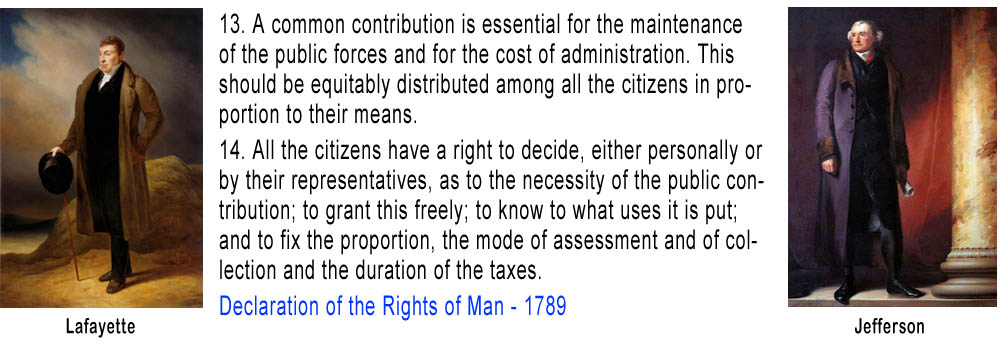
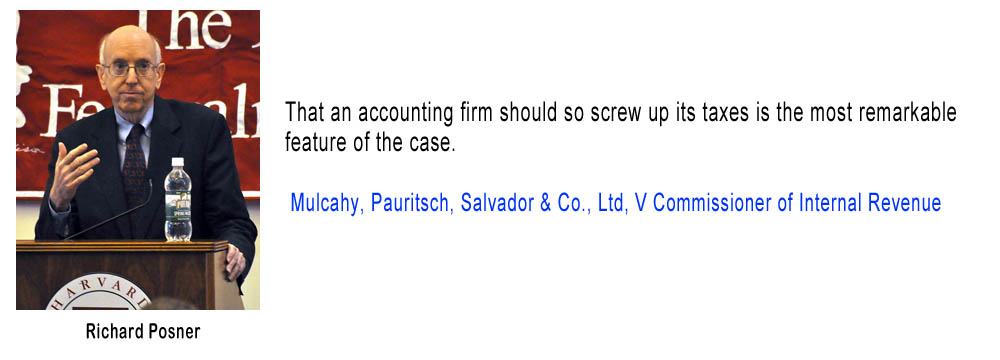
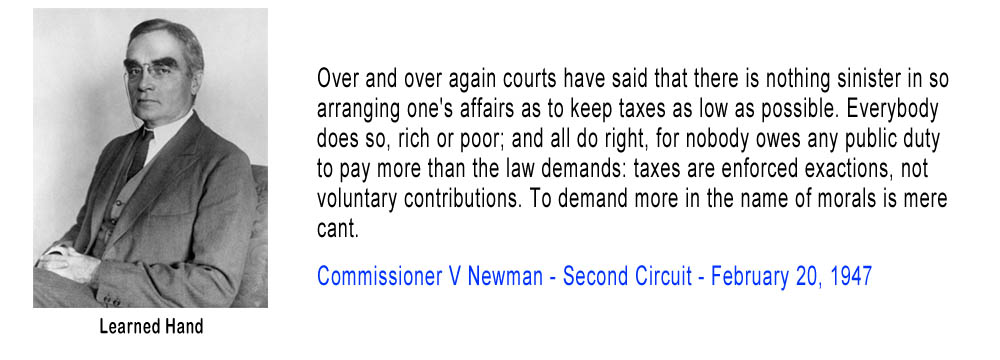
Over and over again courts have said that there is nothing sinister in so arranging one’s affairs as to keep taxes as low as possible. Everybody does so, rich or poor; and all do right, for nobody owes any public duty to pay more than the law demands: taxes are enforced exactions, not voluntary contributions. To demand more in the name of morals is mere cant.