

































Sixth Circuit Looking To Protect Taxpayers From IRS Not IRS From Taxpayers
The issues here remind me a good bit of the litigation Cause of Action ran against TIGTA looking for more information. They wanted more details on TIGTA’s investigation of statements by Austan Goolsbee about Koch Industries that hinted that he might have access to information that was protected. TIGTA indicated that revealing more details would, in itself, be an improper disclosure.

IRS Bounty Hunters Should Not Waste Time On FBAR Penalties
The Tax Court’s opinion unfortunately will have a chilling impact on whistleblowers coming forward – especially whistleblowers blowing the whistle on illegal offshore accounts held by millionaires and billionaires. Individuals need to have confidence that when they come forward that they will be awarded if the whistleblower’s information is used by the government and results in collected proceeds.
The good news though is that the Court found that the policy arguments put forward by the National Whistleblower Center in its amicus brief to be well-grounded and reasoned – and the Tax Court stated that Congress could fix the problem. Congress needs to accept the Tax Court’s invitation and immediately clarify the statute that whistleblowers who blow the whistle on offshore tax cheats and other big time tax criminals are entitled to an award.
Follow Me
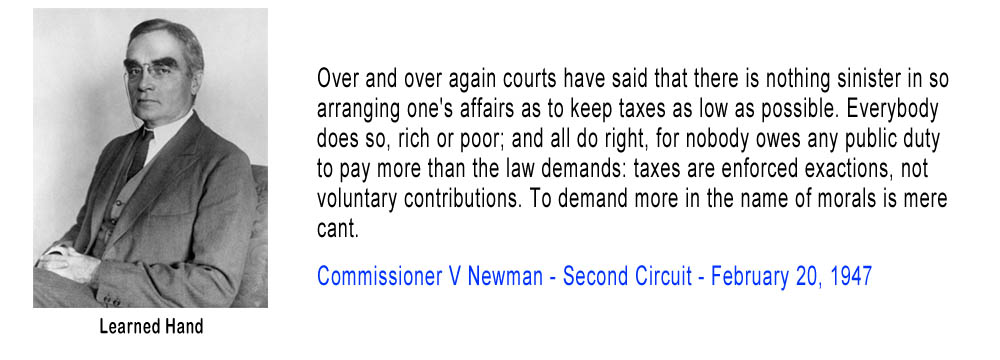
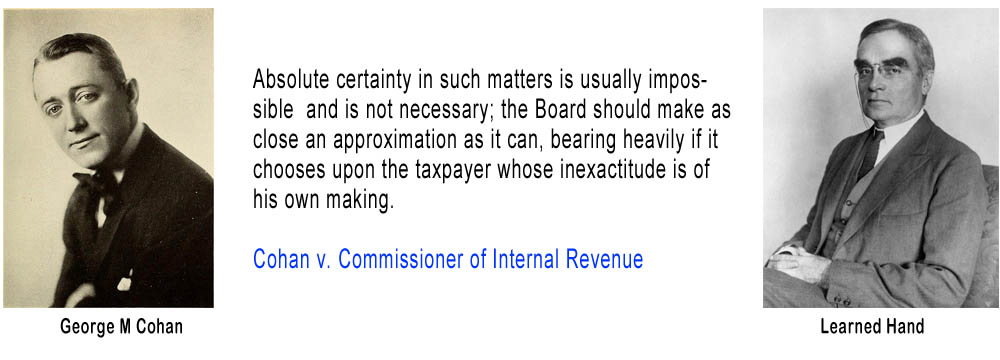
Over and over again courts have said that there is nothing sinister in so arranging one’s affairs as to keep taxes as low as possible. Everybody does so, rich or poor; and all do right, for nobody owes any public duty to pay more than the law demands: taxes are enforced exactions, not voluntary contributions. To demand more in the name of morals is mere cant.