
Ernie Land On Kent Hovind’s March Surprise
The tiny band of Hovindoligists is still in reaction to his mysterious announcement that a big push for Hovindication will be coming in the next three weeks. Kent made...
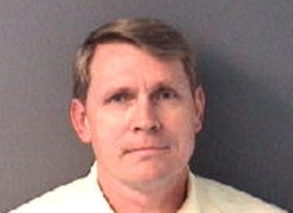
Kent Hovind’s January Surprise Deferred To March
Young Earth Creaionist Kent Hovind fought a long battle with the IRS that did not end well for him. He served a long sentence for structuring, failing to pay payroll...
Follow Me
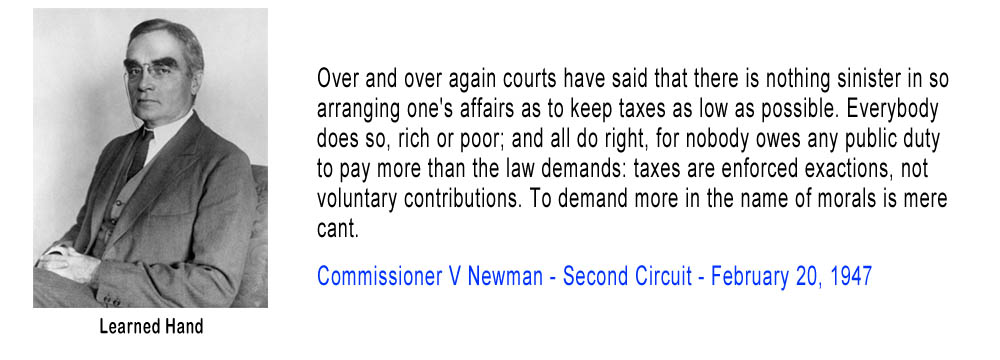
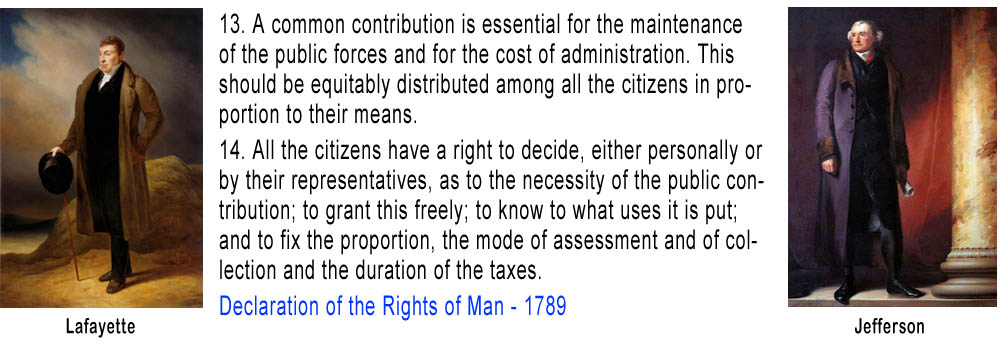
Over and over again courts have said that there is nothing sinister in so arranging one’s affairs as to keep taxes as low as possible. Everybody does so, rich or poor; and all do right, for nobody owes any public duty to pay more than the law demands: taxes are enforced exactions, not voluntary contributions. To demand more in the name of morals is mere cant.