
Tax Foundation Scores Ben Carson Tax Plan
I think it is worth noting that we have had a progressive income tax and an estate tax for a century now. I understand the arguments that the economists make for plans like Carson’s, but there are all sorts of unintended, unforeseen consequences when you make radical changes. From that perspective, the Dwight Eisenhower style socialist from Vermont, Bernie Sanders, is actually looking like the most conservative candidate at the moment , but we’ll see how things develop.

No Foreign Income Tax Exclusion For Army Civilian In Afghanistan
Although most of us have some, if not enough, appreciation for “the troops”, I doubt we reflect much that there are also civilians putting themselves in harm’s way. Going down into the village and learning about “actionable security issues” hardly seems like a walk in the park. That had me rooting for Striker, even though I did not think he had much of a case.
Follow Me
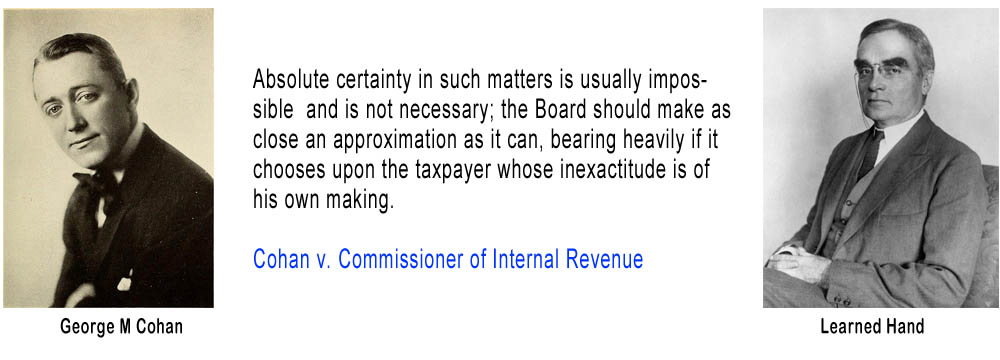
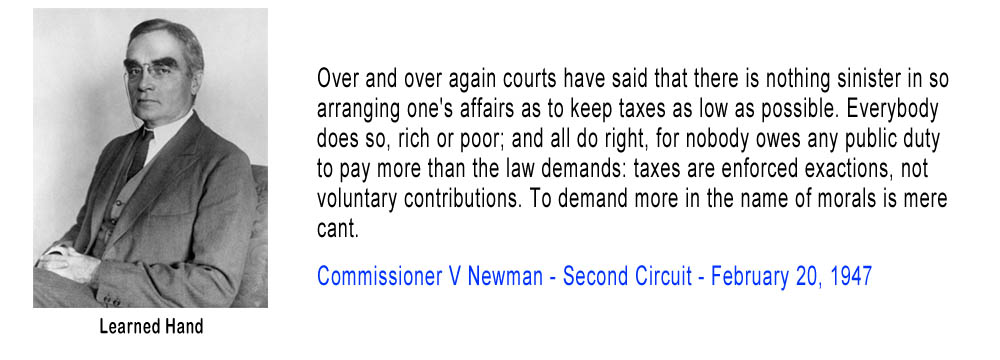
Over and over again courts have said that there is nothing sinister in so arranging one’s affairs as to keep taxes as low as possible. Everybody does so, rich or poor; and all do right, for nobody owes any public duty to pay more than the law demands: taxes are enforced exactions, not voluntary contributions. To demand more in the name of morals is mere cant.