
Trump In Worcester – Little On Tax – Much On How Rich He Is
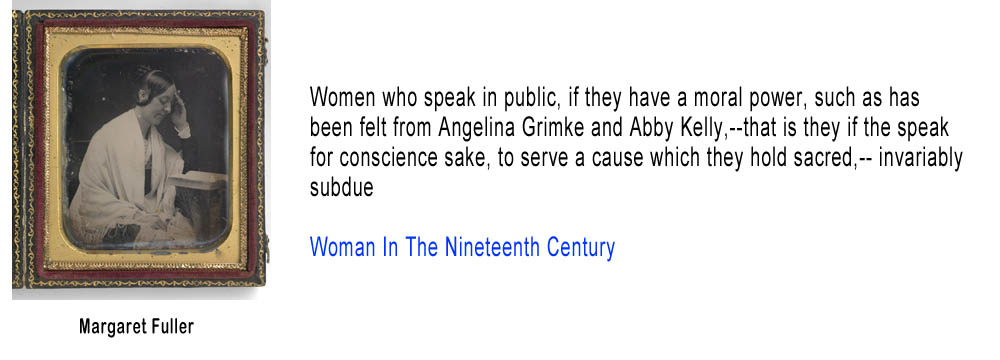
Opening remarks were by Jim Knowlton of the Worcester Republican Committee. He noted that in 1854, when the Republican Party was emerging from the Whigs, Abraham Lincoln visited Worcester. That was a different Republican Party and a different Worcester. The first national women’s rights convention was held in Worcester in 1850. And in 1854 when the federal government was going to great expense to return Anthony Burns to slavery, it was the tough guys from Worcester, Stephen Foster, Abby Kelley’s husband and Free Church minister Thomas Wentworth Higginson who turned the encounter violent. After the Burns incident Higginson declared that getting to Worcester would be as good as getting to Canada for future fugitives.
Trump finally came out and greeted us by talking about how great Tom Brady is – a winner. He pointed to the press, who were confined in sort of a pen on the center of the floor and got everybody to boo at them saying that maybe 30% of them were OK. He then launched into talking about the problem of money in politics indicating that he knows all the other candidates can be bought because he has been buying politicians. He then went into how great he is doing in all the polls. He went on at some length about how rich he is and how bursting with pride he is about his campaign financial disclosures. That was probably the most detailed part of the speech.
Trump In Worcester – Little On Tax – Much On How Rich He Is
I was hoping to pick up some tax news at the Donald Trump rally in Worcester last night, but did not come up with very much. Still it was an enjoyable evening, although...
Follow Me
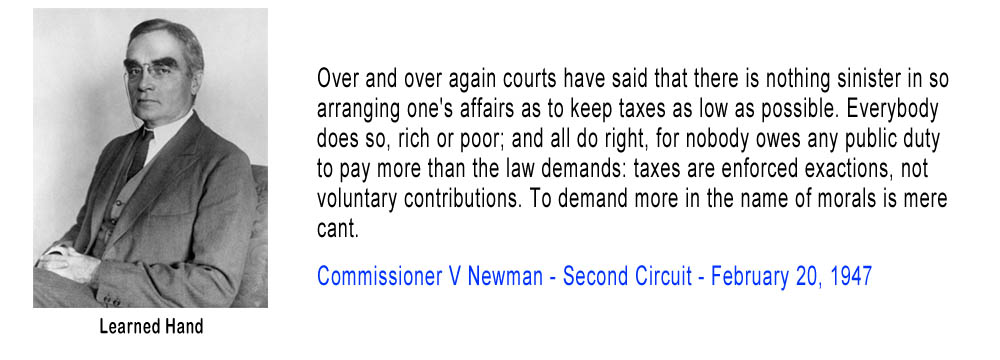
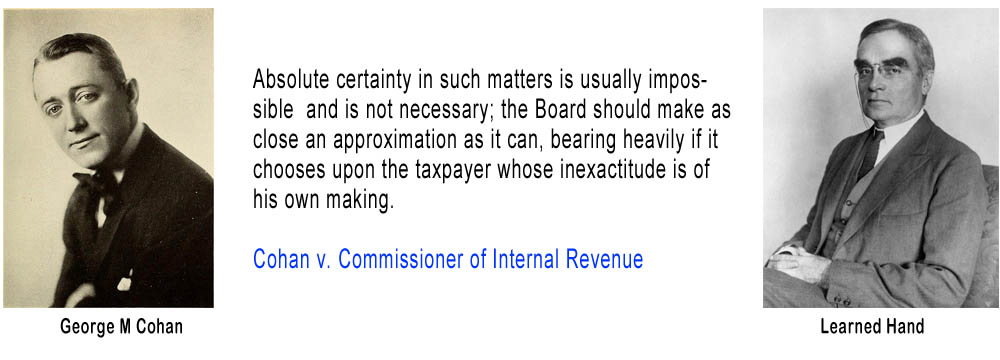
Over and over again courts have said that there is nothing sinister in so arranging one’s affairs as to keep taxes as low as possible. Everybody does so, rich or poor; and all do right, for nobody owes any public duty to pay more than the law demands: taxes are enforced exactions, not voluntary contributions. To demand more in the name of morals is mere cant.