



















































Member Of Market America Millionaire Club Loses Criminal Tax Appeal
The big difference is that if you get hooked on a multi-level marketing plan you will most likely pour time and resources into it and never get much out of it. On the other hand, if you get hooked on tax protester theories, you will get immediate rewards in that you will stop paying taxes. You will probably get away with it for a long time. As a matter of fact, as enforcement resources decline it might actually be likely that you will totally get away with it. When and if they finally catch up with you, hopefully you will have the sense to start taking more conventional advice, which will allow you to pay off your deficiencies over time and avoid forfeiting your liberty, but the really hard-core don’t do that. Hence the late Irwin Schiff dying in prison.

Where Is Kent Hovind Now?
Although I have sporadically been following Kent Hovind's website and also Rudy Davis's Lonestar1776 and 1776Lonestar, I have stuck with my decision to consider the...
Follow Me
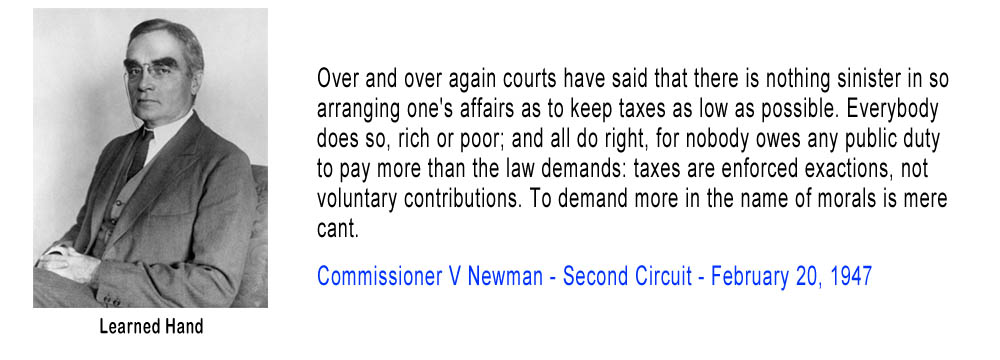
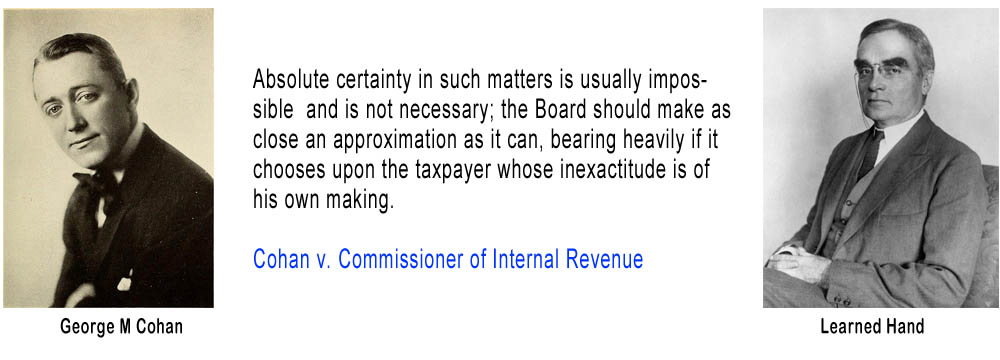
Over and over again courts have said that there is nothing sinister in so arranging one’s affairs as to keep taxes as low as possible. Everybody does so, rich or poor; and all do right, for nobody owes any public duty to pay more than the law demands: taxes are enforced exactions, not voluntary contributions. To demand more in the name of morals is mere cant.