










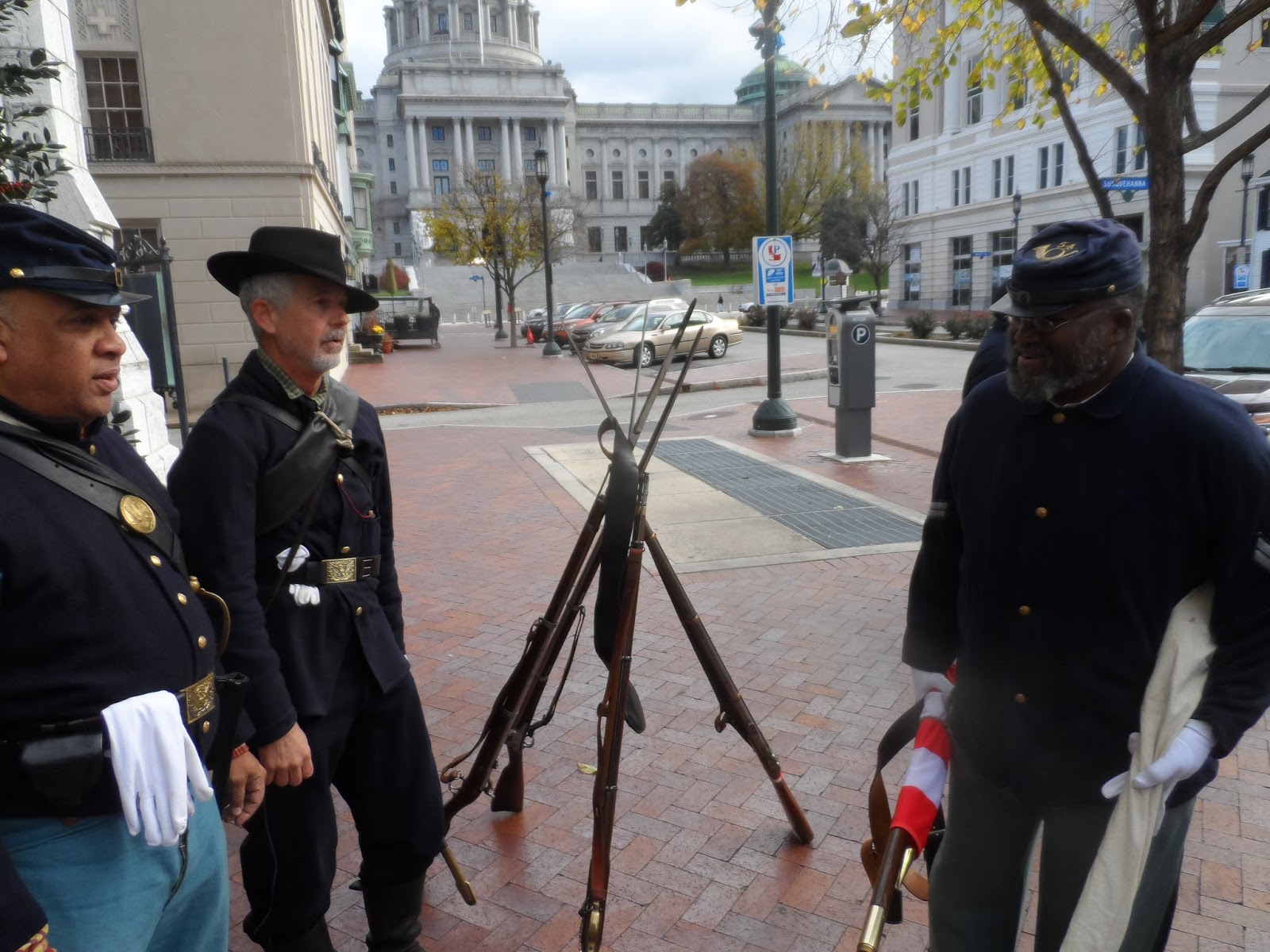
Grand Review In Harrisburg – Great Way To Cap The Sequicentennial
I thought I was done with Civil War Sesquicentennial events after the Grand Review in May. It turns out that there is one more event, I just have to attend. Another...

God May Bless Your Pot Shop – Tax Court Not So Much
Unless you can figure out a way to combine high margins and low operating expenses Section 280E will kill a business or force it underground. Of course probably when TEFRA was passed in 1982, all illegal drug businesses were underground. Presumably the legislation comes from the “That’s how they got Al Capone” syndrome reflecting a desire to use the tax law as one more weapon in the War on Drugs. Nancy Reagan, notwithstanding, people were often saying yes, rather than just saying no. Unanticipated was the “kind of legal in some places” status of marijuana that our federal system has evolved.
The decision was pretty cut and dried. an illustration of Reilly’s First Law of Tax Planning – It is what it is. Deal with it. There are three elements to make Section 280E applicable. There is a trade or business. There is trafficking. There is a controlled substance.
Follow Me
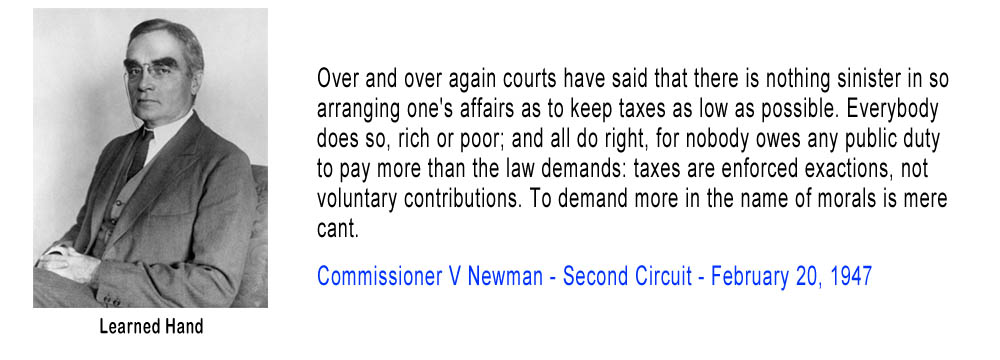
Over and over again courts have said that there is nothing sinister in so arranging one’s affairs as to keep taxes as low as possible. Everybody does so, rich or poor; and all do right, for nobody owes any public duty to pay more than the law demands: taxes are enforced exactions, not voluntary contributions. To demand more in the name of morals is mere cant.