











No Orange Jumpsuit For Lois Lerner
I think that politically this decision might actually break in favor of conservatives who have adopted the scandal narrative as a matter of faith. An actual prosecution of Lois Lerner would make for an epic trial in which her defense would put the whole question of “dark money” flooding into the political system on trial. Right now, there does not seem to be anybody who likes her very much, but a trial could turn her into a martyr for the cause of transparency. Instead this decision by DOJ will become one more strand in the scandal narrative. Republican candidates can compete on how vigorous they will be in ordering DOJ to reopen its investigation.

IRS Should Be Asking For Cooperation Not Volunteering
Professor Manhire presents a four cell quadrant that illustrates the choices available to taxpayers – cooperate or evade – and the IRS – audit or don’t audit. He notes that the ideal situation is one in which the taxpayer cooperates and the IRS does not audit at all or at least not very often is the ideal. Lots of audits of compliant taxpayers feels like harassment. Audits of non-compliant taxpayers will have them “busted” which is unpleasant, whereas non-compliant taxpayers not being audited make the rest of us feel like chumps.
So it would be less confusing if the IRS were to say that the system is based on “cooperative compliance”. Since most people cooperate, enforcement resources can focus on those that do not. It actually sounds like a pretty good idea. We’ll see if it takes off.
Follow Me
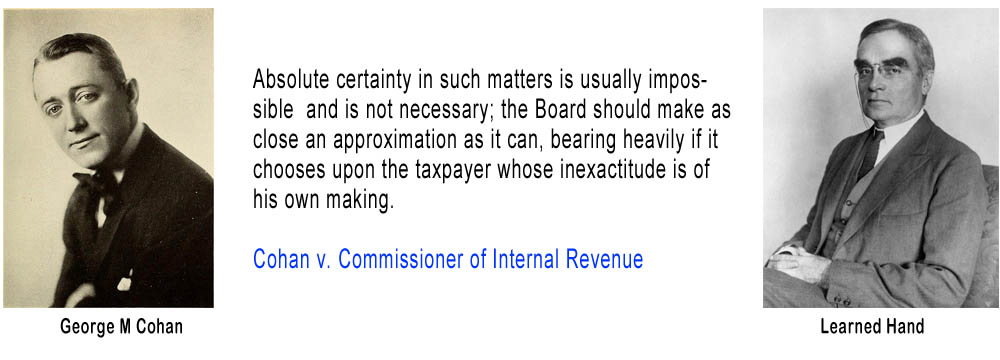
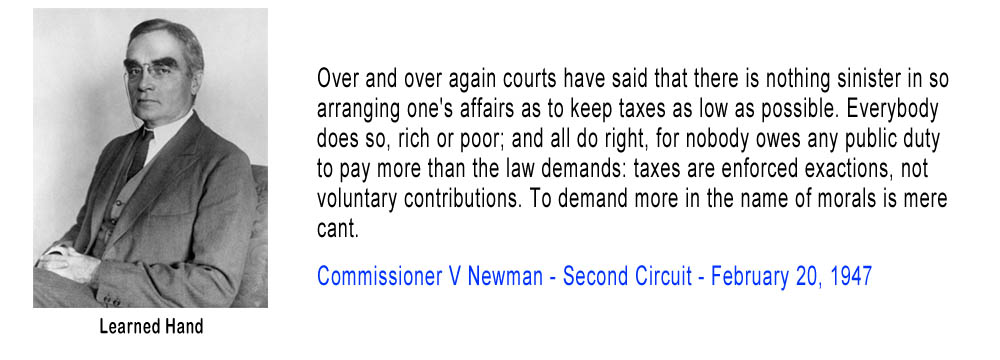
Over and over again courts have said that there is nothing sinister in so arranging one’s affairs as to keep taxes as low as possible. Everybody does so, rich or poor; and all do right, for nobody owes any public duty to pay more than the law demands: taxes are enforced exactions, not voluntary contributions. To demand more in the name of morals is mere cant.