




President Obama Could End Special Tax Treatment For Two Twenty Guys
As a political analyst, I make a good tax preparer. Nonetheless, I’m going to say that President Obama killing carried interest by regulation seems like great politics. The attack on carried interest is one of the key populist pieces of both Bush and Trump’s tax proposals. Here is a chance for the President to pull the populist rug out from under them.
The regulation that Professor Fleischer proposes is drafted so that its effect would be fairly limited. When I discussed the idea of using regulation back in 2011, there was concern by some experts that such an approach could create too much uncertainty.
Trump Tax Plan Would Increase Deficit By Over $10 Trillion
For perspective, according to this site projected federal revenue for fiscal year 2015 is $3.2 trillion. So on a lazy math basis, we could call it a third. You know the old joke about a billion here a billion there, pretty soon you are talking about real money. Doesn’t work that way with a trillion. A trillion is real money all by its lonesome.
Follow Me
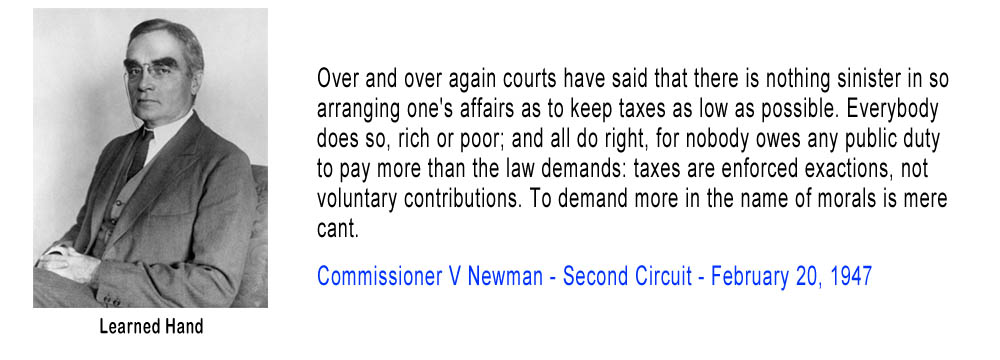
Over and over again courts have said that there is nothing sinister in so arranging one’s affairs as to keep taxes as low as possible. Everybody does so, rich or poor; and all do right, for nobody owes any public duty to pay more than the law demands: taxes are enforced exactions, not voluntary contributions. To demand more in the name of morals is mere cant.