



Kent Hovind’s Battle With IRS – Collateral Damage
Hovind and his co-defendant, Creation Science Evangelism trustee, Paul Hansen took steps to protect the properties, since they believed that the seizure would ultimately be reversed. Those steps were what gave rise to this years trial for mail fraud, conspiracy and contempt of court. The jury did not reach a verdict on most of the more serious charges but found both Hovind and Hansen guilty of contempt. The government ultimately did not proceed with retrial. Hovind’s contempt conviction was dismissed by Judge Rodgers, but Hansen is still awaiting sentencing.
Anthony Jaworski purchased one of the trust properties from the federal government. Kent Hovind has expressed some sympathy for him, since Kent expects to regain the property. Paul Hansen had, apparently unbeknownst to Kent Hovind, sent Jaworski a letter warning him that he did not really have good title to the property and was obligated to pay the trust rent. The letter was used as evidence at the trial and Jaworski was called to testify.

Will IRS Force Gay Marriage On Conservative Churches?
The cause of the immediate controversy is the inelegant answer which the Solicitor General offered to Justice Alito’s question about the potential application of Bob Jones to churches which decline to perform same-sex marriages. For the short-run, it is implausible that either the IRS or the Obama Administration will pursue this issue. For the long-run, those religious institutions which refuse to perform same-sex marriages are correct to assume that some same-sex marriage advocates will press for the loss of tax-exempt status of churches, synagogues and mosques which decline to recognize such marriages.
Follow Me
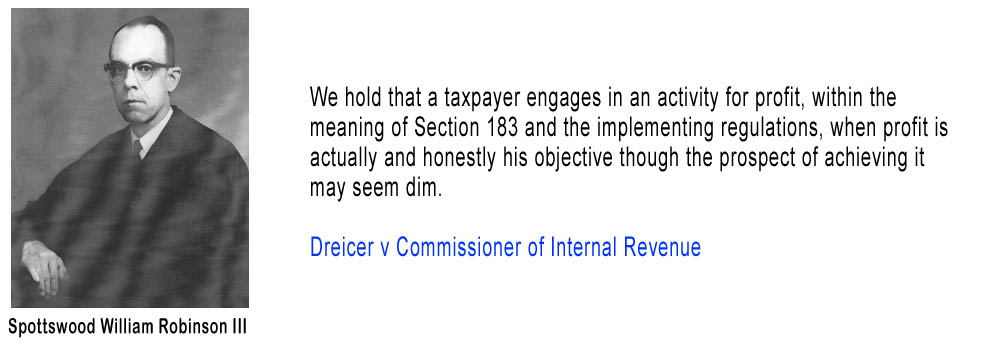
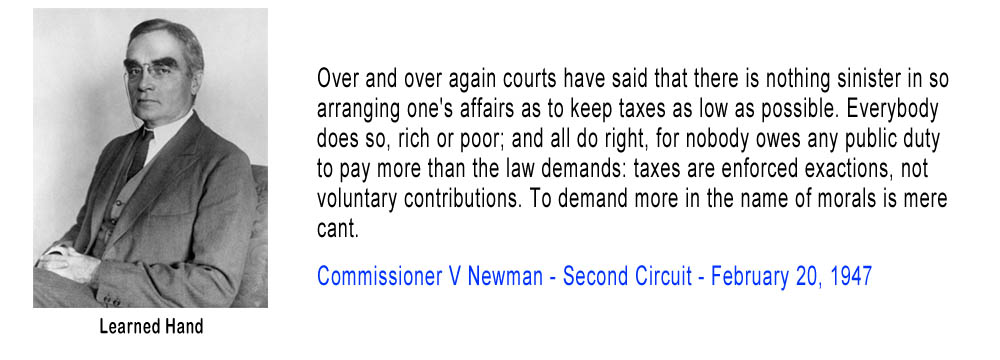
Over and over again courts have said that there is nothing sinister in so arranging one’s affairs as to keep taxes as low as possible. Everybody does so, rich or poor; and all do right, for nobody owes any public duty to pay more than the law demands: taxes are enforced exactions, not voluntary contributions. To demand more in the name of morals is mere cant.