



























Failure To File Texas Franchise Tax Form Voids Lawsuit
EEPB got lucky, as it turns out. The trial court had granted EEPB’s motion for summary judgment that the malpractice claim was extinguished three years after CAC’s charter was forfeited and that reinstatement did not breathe life back into the claim.
The dates are important. CAC became a “terminated filing entity” on February 8, 2008 for not filing franchise tax forms. A terminated filing entity stays in existence for three years for the limited purpose of “prosecuting or defending in the terminated entity’s name an action or proceeding brought by or against the terminated entity”. So CAC had to bring its suit against EEPB by February 8, 2011. The suit was filed on February 15, 2013, The forfeiture of CAC’s charter had been set aside on March 29, 2011, presumably by catching up on the franchise tax. But that catch up did not revive the claim that was extinguished on February 8, 2011.

Oregon Tax Court Approves Taxation Of Church Rectory
It would seem that many church rectories or parsonages, to use the homey American term, would flunk the test laid out by the Oregon Tax Court. It will be interesting to see whether this becomes a trend. Parsonages have fallen out of favor with many Protestant denominations where the big tax subsidy is the federal income tax break that exempts cash paid for housing allowances from income tax. The dubious constitutionality of that provision has avoided scrutiny thanks to rulings on nobody having standing to object to it.
Follow Me
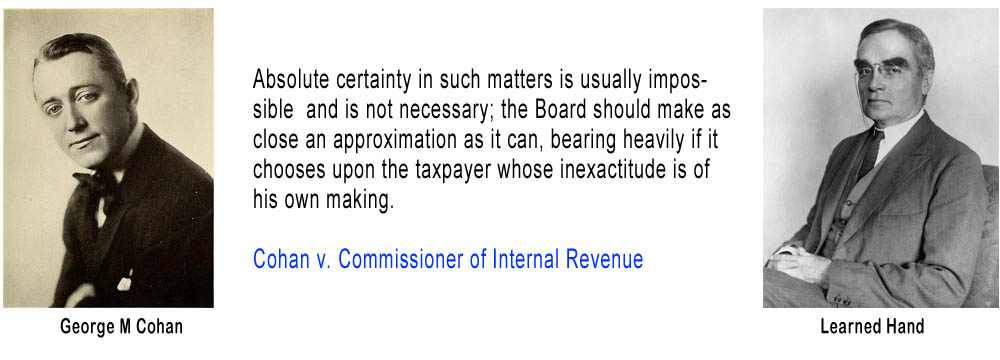
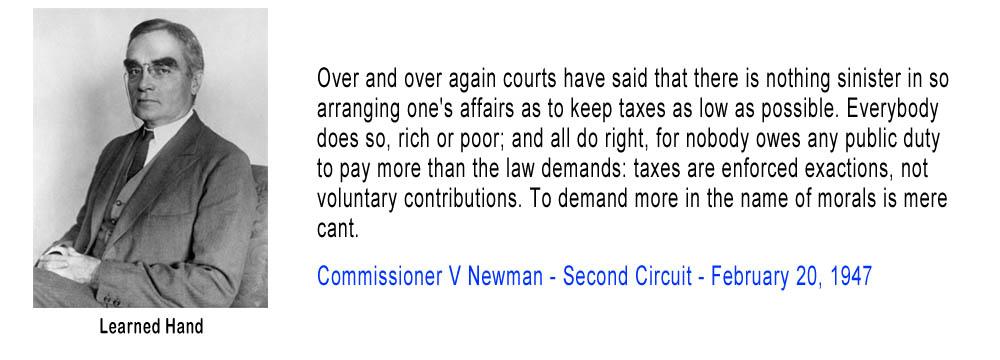
Over and over again courts have said that there is nothing sinister in so arranging one’s affairs as to keep taxes as low as possible. Everybody does so, rich or poor; and all do right, for nobody owes any public duty to pay more than the law demands: taxes are enforced exactions, not voluntary contributions. To demand more in the name of morals is mere cant.