

























































IRS Busts In Las Vegas Tip Case
Goddamn college kids. The case was about the adequacy of his records though. If the Tax Court finds them adequate and credible, he wins. The IRS had a number of objections to Mr. Sabolic’s fairly meticulous record keeping. The Service kept hitting and kept busting. Recording the daily amounts in whole dollars and using a conservative estimate for the share of his tips that went to barbacks did not cancel out his meticulous work. Discrepancies with the MGM reporting were accounted for by timing and glitches in the MGM system.

Coach Dave Daubenmire Wrong About How A “Jury of Peers” Would Help Kent Hovind
As the trial of Kent Hovind enters its fifth day, Coach Dave Daubenmire throws out an interesting theory. Should people who believe in evolution be included on the...
Follow Me
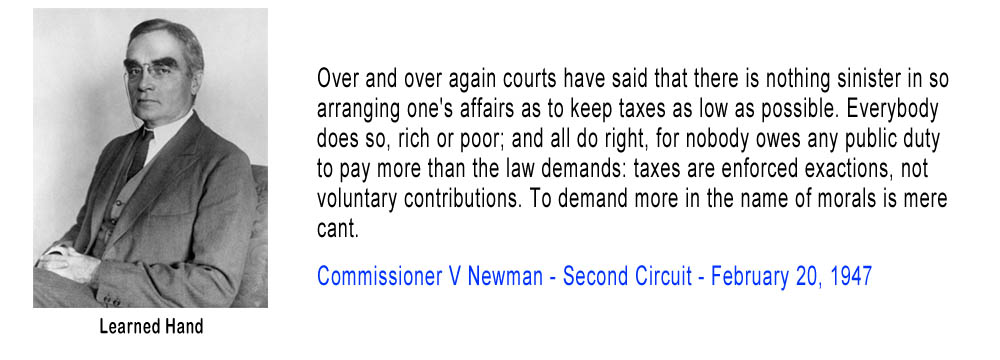
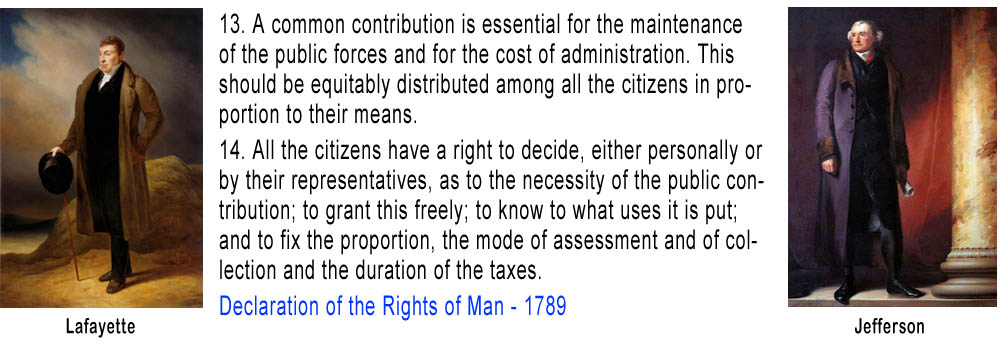
Over and over again courts have said that there is nothing sinister in so arranging one’s affairs as to keep taxes as low as possible. Everybody does so, rich or poor; and all do right, for nobody owes any public duty to pay more than the law demands: taxes are enforced exactions, not voluntary contributions. To demand more in the name of morals is mere cant.