













































Lois Lerner’s Old IRS Team Looking Anti-tech
Last I checked there was no declaration of war in effect, so what are these “governments of nations whom are our enemies” and I may be crazy, but I think as the world gets smaller and smaller we need to think of it as a community, but that’s just me maybe.
Back in September I wrote about a pair ruling in which the EO group turned down a sorority that met on-line for 501(c)(7) status and an organization that provided free wi-fi for 501(c)(3) status. I attributed both those rulings to meatspace prejudice, but now I’m thinking there might be a full blown Luddite cult operating in there. We’ll see.
Breaking: AICPA Says Help Might Be On The Way
We find ourselves in a challenging predicament. On the one hand, we are hopeful that the IRS will issue relief which would ease the burden for small businesses. On the other hand, there is no guarantee that relief will come in time (if at all). As we move further into tax season, tensions continue to mount as rumors spread regarding what the IRS may or may not provide in terms of guidance, relief, support or enforcement.
Follow Me
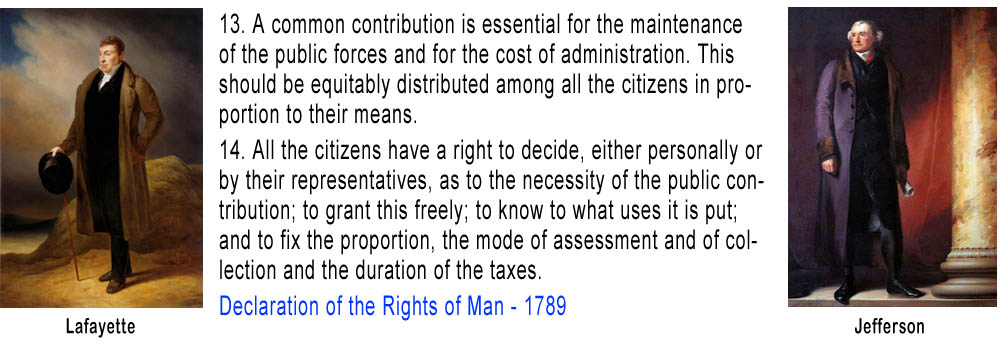
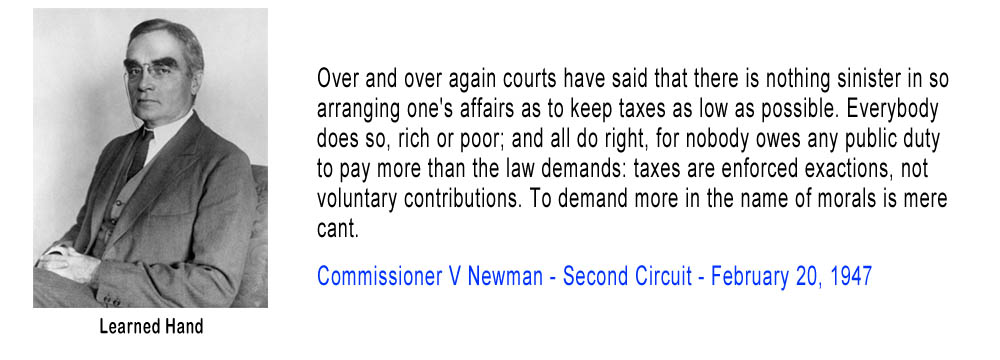
Over and over again courts have said that there is nothing sinister in so arranging one’s affairs as to keep taxes as low as possible. Everybody does so, rich or poor; and all do right, for nobody owes any public duty to pay more than the law demands: taxes are enforced exactions, not voluntary contributions. To demand more in the name of morals is mere cant.