





With Amazon Facing $1.5 Billion Income Tax Bill, Bezos Too Busy To Testify
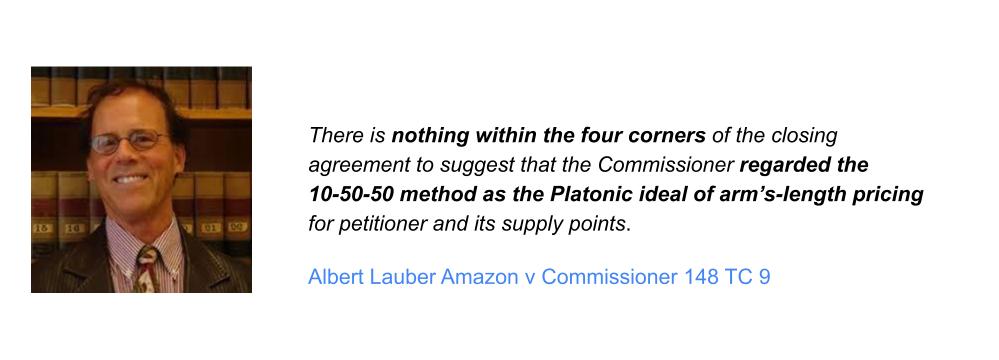
Judge Lauber has to balance the burden placed on Mr. Bezos against the value of his testimony to the IRS. Even though the government predicted that the testimony would take less than a day, the broad range of subjects they are addressing would require him to spend substantial time preparing. In terms of the value of the information, they have already heard from several members of the senior leadership team so any information added by Mr. Bezos would be cumulative or duplicative.
So the subpoena is squashed and only the S-team will be weighing in with top management testimony.
Iowa Corporation Not Liable For California Corporate Tax From Ownership Of LLC Interest
The reason was that Swart had invested $50,000 in Cypress Equipment Fund XII, LLC. Swart’s investment in Cypress gave them a 0.2% interest and no management rights.
The California Franchise Tax Board thought that was enough to require Swart to file and pay the minimum tax. Swart paid, but did not agree. The company sued for refund. It argued that either the California statute did not require them to pay the minimum tax or it was unconstitutional if it did. Sorry to spoil the suspense, but the Superior Court of California for the County of Fresno ruled in favor of Swart Enterprises.
Follow Me
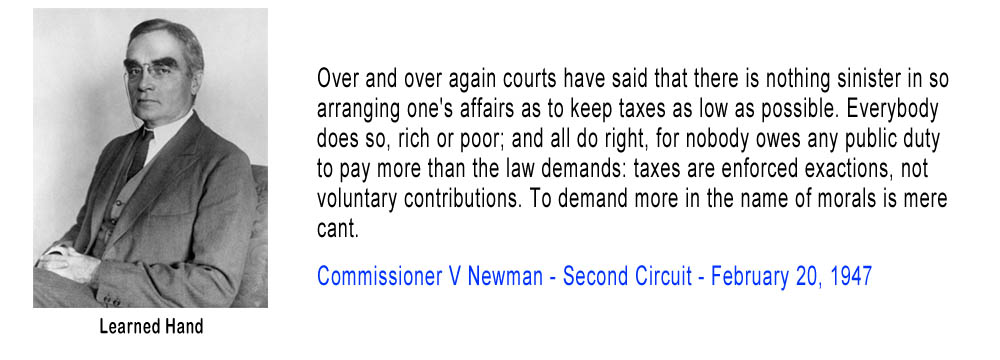
Over and over again courts have said that there is nothing sinister in so arranging one’s affairs as to keep taxes as low as possible. Everybody does so, rich or poor; and all do right, for nobody owes any public duty to pay more than the law demands: taxes are enforced exactions, not voluntary contributions. To demand more in the name of morals is mere cant.