





Kent Hovind And Creation Science Evangelism – How Not To Run A Ministry
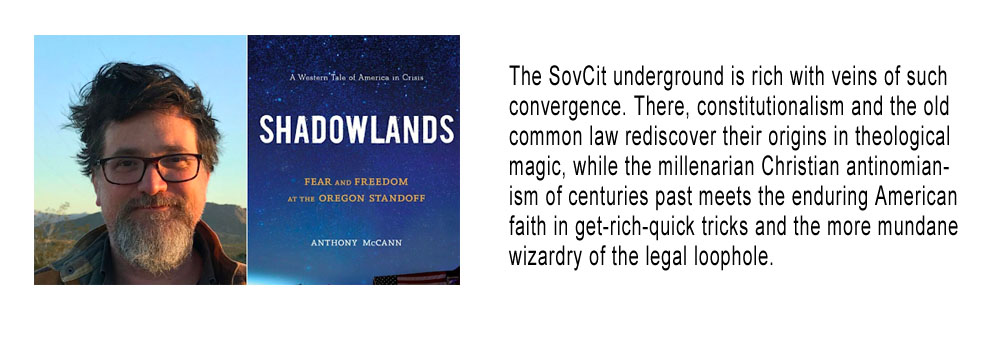
According to Gallup 42% of Americans believe that God created humans pretty much as they are now less than ten thousand years ago. That is a little disturbing, but when I asked a friend of mine with biological training if there were things that we use that wouldn’t work if you didn’t believe in evolution, he didn’t come up with anything. Leaders in the “creation science” movement have been encouraging Kent Hovind to give up fighting the IRS and focus more on creation science. The prosecution motivates Kent to keep up the tax fight and possibly drag some part of the 42% into sovereign citizen tax defiance. Even though I believe in evolution and that the world is billions of years old, I would rather have Kent Hovind trying to convince people that the world is 6,000 years old than encouraging crackpot tax theories. I think the latter are more harmful. That’s why I think the current prosecution might not be a good idea.

What’s In A Name? Should Naming Rights Reduce Charitable Deductions?
The story raises the question of whether you should be able to take a full charitable deduction for a donation if, as a legally binding condition of the donation, you get to have a landmark building named after you. It is worth noting that the Fisher family actually ended up making a profit, although rather a modest one on the whole deal. I computed the pre-tax return to the family as being roughly 0.85%, which is really anemic, unless you compare it to what is being paid on contemporary deposit balances. If you assume that Mr. Fisher took a charitable deduction with a 70% benefit in 1973 and the family paid capital gain tax on the Lincoln Center payoff, the after tax return comes to 3.88%, which is not great, but still better than getting poked in the eye with a sharp stick.
Follow Me
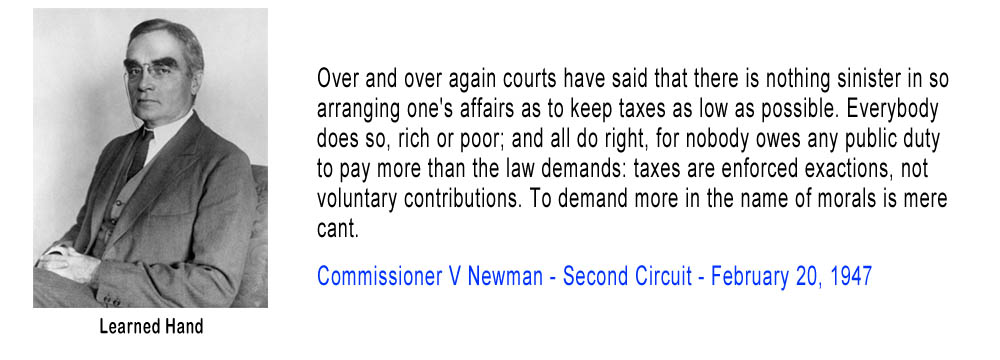
Over and over again courts have said that there is nothing sinister in so arranging one’s affairs as to keep taxes as low as possible. Everybody does so, rich or poor; and all do right, for nobody owes any public duty to pay more than the law demands: taxes are enforced exactions, not voluntary contributions. To demand more in the name of morals is mere cant.