

Interview With Former Judge Central To Kansas Property Tax Consultant Controversy
These kinds of arrangements inevitably lead to “horse trading”—i.e., compromising the interests of some taxpayers to gain advantages for other taxpayers (or even the tax consultant himself). They also lead to the practice of flooding county assessor offices with masses of appeals and using sheer volume as leverage to extract nuisance settlements. An entrepreneur can make a tidy profit each year aggregating and leveraging the appeal rights of thousands of taxpayers and settling claims within the margins.
Conduct such as this has been widely reported by county officials. For example, during a formal legislative hearing in September 2013, one county official testified that it was indeed a “truism” that such conduct occurs regularly, in addition to frivolous filings, unauthorized representation, discovery misconduct, and even physical intimidation and verbal abuse.
Do Property Tax Consultants Need To Be Reined In?
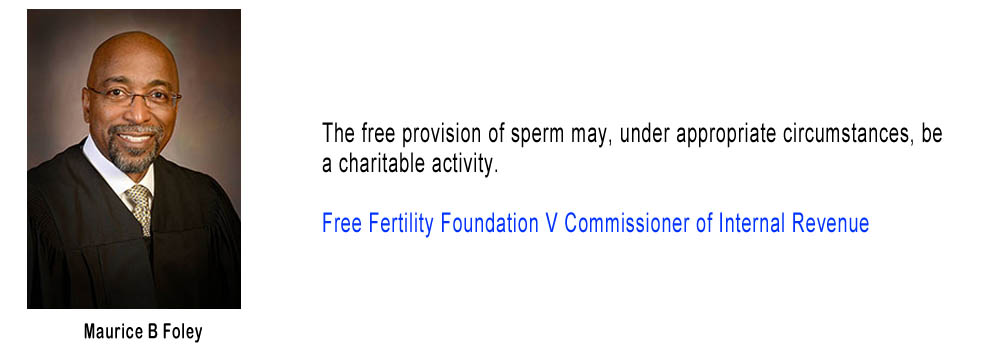
This legislation was sold on the notion that COTA had become broken: inefficient, untimely and unfair to taxpayers. I served nearly a decade at COTA and I can report, without reservation, that COTA’s efficiency, timeliness and fairness was probably as good or better than it had been for years. COTA had recently implemented a new paperless case and document management system (with private grant money no less!), and it had cut its staff nearly in half. COTA also was about as caught up on its case load as it had been at any time during my tenure. Ironically and disingenuously, the only cases that were delayed were cases in which an attorney affiliated with a tax consultant had filed a motion with COTA for an extension to submit post-trial briefs. With respect to the claim of unfairness to taxpayers, COTA ran the numbers and found that it had decided cases in taxpayers’ favor approximately 49% of the time, a percentage generally consistent with previous years. All of this was presented to, but ignored by, the legislature. By then, the narrative was firmly rooted, and facts weren’t about to change anything
Follow Me
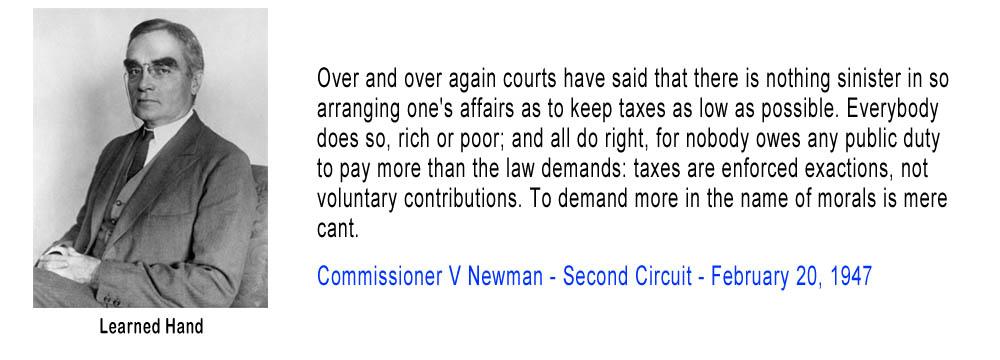
Over and over again courts have said that there is nothing sinister in so arranging one’s affairs as to keep taxes as low as possible. Everybody does so, rich or poor; and all do right, for nobody owes any public duty to pay more than the law demands: taxes are enforced exactions, not voluntary contributions. To demand more in the name of morals is mere cant.