New Hampshire Supreme Court Declines More Power In Tuition Credit Case
Standing is probably the primary way that potentially unconstitutional tax benefits are defended. The concept is that you need to show that you specifically are being harmed. If you think that something is just unfair, you should write to your legislature. We will soon see whether standing will work to protect the federal tax benefit that allows the mega-pastors of the mega-churches to exclude from their taxable income housing allowances that can run into hundreds of thousands of dollars.
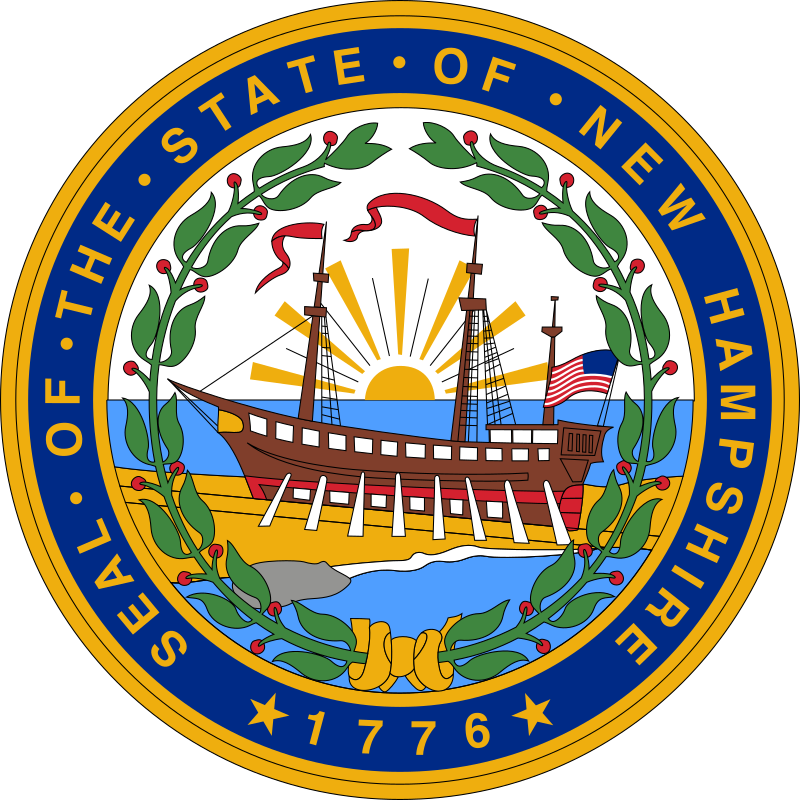
What is probably most interesting about the Duncan decision is that the New Hampshire Supreme Court had to first engage in a great act of self abnegation, before it could dismiss this case on standing. The New Hampshire legislature had amended the state statutes in order to create a notion of “taxpayer standing”, which is what the plaintiffs in the case were invoking. The statute read in part:

Tax Court Refuses To Extend Home Concrete Logic
But not so fast. The interesting thing is that the denominator of that fraction does not necessarily appear anywhere on your return, particularly if you are involved in flow-through entities (partnerships, S Corporations). Your share of the entity’s gross income is part of your gross income, but only the net, which might well be a loss shows up on your return. In order to compute your tax, we need to know your adjusted gross income, but your true gross income is usually of only academic interest. Unless of course, you are trying to get out of a six year statute, which frankly does not come up that often or, in my thirty plus years of tax work, ever.
Follow Me
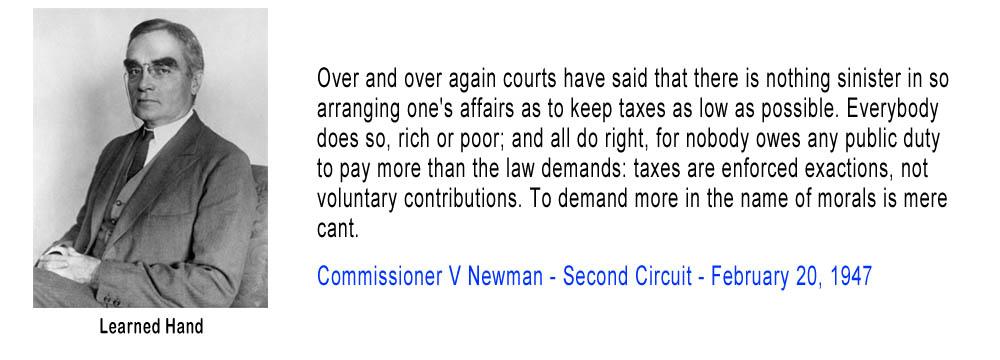
Over and over again courts have said that there is nothing sinister in so arranging one’s affairs as to keep taxes as low as possible. Everybody does so, rich or poor; and all do right, for nobody owes any public duty to pay more than the law demands: taxes are enforced exactions, not voluntary contributions. To demand more in the name of morals is mere cant.