Claim Citizens United Attorney Broke Charity Tax Law Doesn't Hold Up
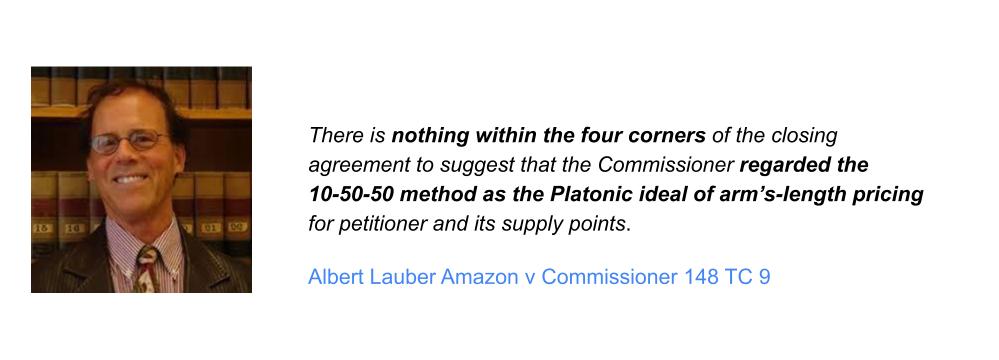
Mr. Bopp and his firm, however, should not be subject to the extremely punitive 4958 excise tax, if they gave JMFCS its money worth. Unfortunately, I think that Mr. Bopp and his firm did give JMFCS its money worth, which is why CREW is so pissed at him. I don’t like the Citizens United decision any better than CREW does.

Gettysburg 150 – Thank You National Park Service
Even though they do all sorts of different things, they all wear the same uniform and are referred to as rangers. If you are observant, you will note that some of them are packing heat. Those are the law enforcement rangers who will arrest you if you need arresting. Another fellow told me that all the history guys long to work at Gettysburg and that only the most knowledgeable, many of them published authors end up there.
Follow Me
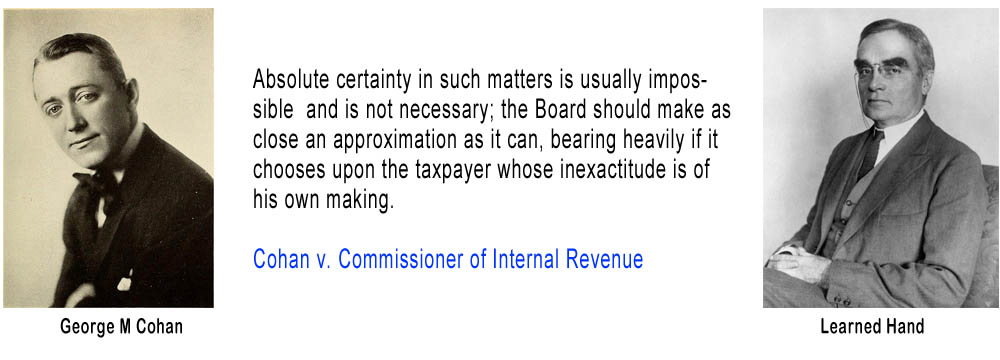
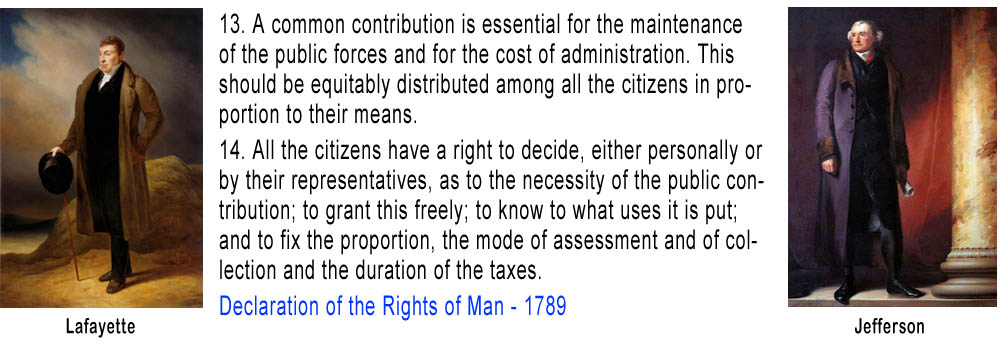
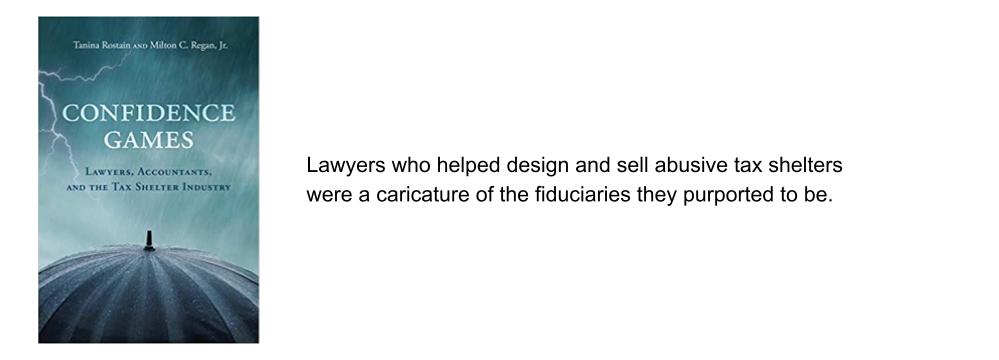
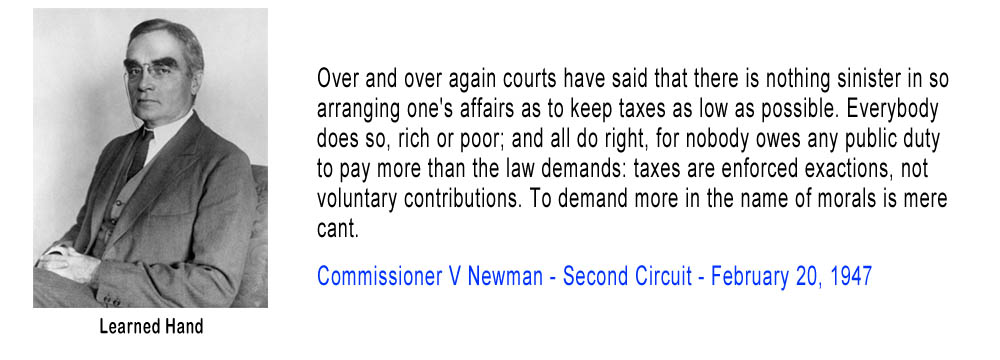
Over and over again courts have said that there is nothing sinister in so arranging one’s affairs as to keep taxes as low as possible. Everybody does so, rich or poor; and all do right, for nobody owes any public duty to pay more than the law demands: taxes are enforced exactions, not voluntary contributions. To demand more in the name of morals is mere cant.