















IRS Plays Sore Winner In House Burning Charity Case
What the IRS seems to be saying in the AOD is that the Patels were just lucky that the law was uncertain. They were taking a very large deduction that, on its face, had a bit of the “too good to be true” about it. The law was uncertain, but they didn’t prove that they did the research to determine that it was uncertain. The moral of the story seems to be that if you are taking a position that seems like it might be sketchy, you should do the research or have somebody do it for you and document it. Nothing new there really.
Why Phil Mickelson’s Remark Was Really Dumb
The state of residence of someone who works all over the world and is able to own several residences is far from a straightforward question. It turns on a concept called domicile, which can border border on the mystical.
Follow Me
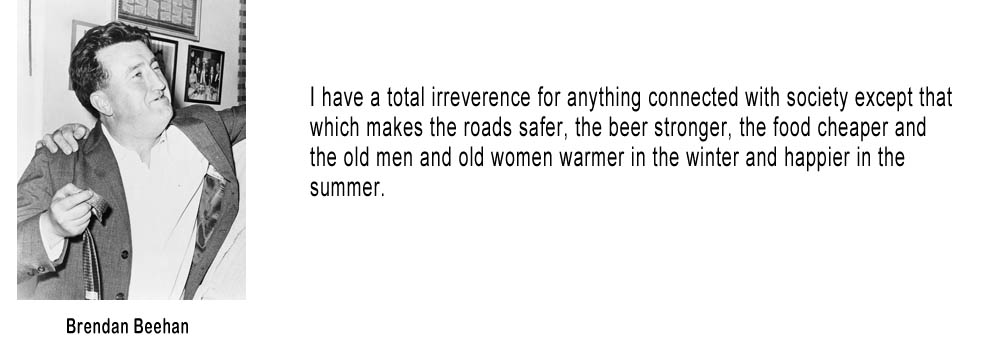
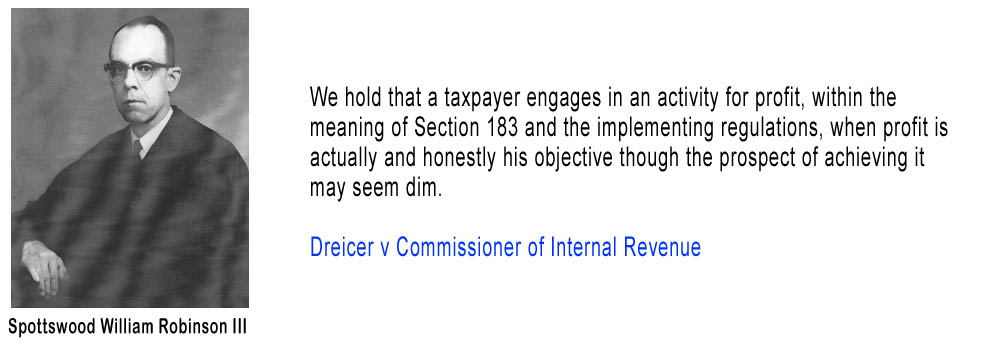
Over and over again courts have said that there is nothing sinister in so arranging one’s affairs as to keep taxes as low as possible. Everybody does so, rich or poor; and all do right, for nobody owes any public duty to pay more than the law demands: taxes are enforced exactions, not voluntary contributions. To demand more in the name of morals is mere cant.