

















































Most Recent Posts
Andrew Kay Passes – Helped Accountants Abandon Pencil Pushing
This is more reminiscing than a technical article, so please forgive me if I am a bit off on some of the details. Our first Kaypro came with two disk drives that took 5 1/4 inch “floppy” disks. The operating system was called CPM and had something called virtual memory architecture. The CPU (I’m not sure that is the right term, but that’s what we called it) had only 64k. So when it was feeling overburdened it would save things temporarily on the disks. This could be a little disturbing sometimes because things had a way of disappearing from large spreadsheets. One thing that I have retained from my Kayrpo days is a suspicion of very large spreadsheets.

New Hampshire Supreme Court Declines More Power In Tuition Credit Case
Standing is probably the primary way that potentially unconstitutional tax benefits are defended. The concept is that you need to show that you specifically are being harmed. If you think that something is just unfair, you should write to your legislature. We will soon see whether standing will work to protect the federal tax benefit that allows the mega-pastors of the mega-churches to exclude from their taxable income housing allowances that can run into hundreds of thousands of dollars.
What is probably most interesting about the Duncan decision is that the New Hampshire Supreme Court had to first engage in a great act of self abnegation, before it could dismiss this case on standing. The New Hampshire legislature had amended the state statutes in order to create a notion of “taxpayer standing”, which is what the plaintiffs in the case were invoking. The statute read in part:

Tax Court Refuses To Extend Home Concrete Logic
But not so fast. The interesting thing is that the denominator of that fraction does not necessarily appear anywhere on your return, particularly if you are involved in flow-through entities (partnerships, S Corporations). Your share of the entity’s gross income is part of your gross income, but only the net, which might well be a loss shows up on your return. In order to compute your tax, we need to know your adjusted gross income, but your true gross income is usually of only academic interest. Unless of course, you are trying to get out of a six year statute, which frankly does not come up that often or, in my thirty plus years of tax work, ever.

IRS Shows Serious Meatspace Prejudice
The above observation does not, of course, say one thing or another about the current phase of the scandal. Lois Lerner or one of her fellow minions in a vast conspiracy may have exploited that environment to suppress the damning e-mail in which Ms. Lerner confessed to strangling the last passenger pigeon. Nonetheless, it may account for seemingly outdated thinking, particularly in the section of the IRS that Ms. Lerner dedicated to bringing down all that is right (or maybe Right) with the world.

Debt From KPMG Tax Shelter Survives Bankruptcy
After learning that he might have a large liability from 1999, Mr. Vaughn got divorced, remarried and divorced again. He was pretty generous with his new wife, including buying a $1.73 million home that he put in her name. He also funded a $1.5 million trust for his new step-daughter. So in 2004, when taxpayers had an opportunity to get out from under this problem, he could not join in the settlement, because he could not come up with the entire tax. The Court also seemed to think he was living pretty high for somebody with a multi-millionaire dollar tax debt hanging over his head.
Tea Party Patriots Inc Dodging Tax On E-mail Fees?
Of course, I just have the same education as an IRS revenue agent, so maybe there is something in the definitions that would exempt this or possibly TPP has enough other social welfare activity that it would still qualify. Regardless, I think there might be just a bit of concern about its 501(c)(4) status.
Since TPP does not appear to be a dark money group, I kind of wondered why the status was so important. Well, now, given the e-mail fees, there could be some serious money at stake. The best defense is a good offense. The persecution narrative might be a license to be aggressive.

IRS Will Not Tax Forfeited Jackpots Of Compulsive Gamblers
Well, in the interest of fighting gambling addiction, I offer this. The ruling was only on the program in one state and I don’t know which one. The program seems to be similar from state to state, but it is not identical. Subtle differences might make for different income tax answers. For example, the Indiana program indicates the forfeiture is in the “form of a fine”. In the Illinois program, the participant gets to decide which of the addiction services organizations the money goes to. So it might still be possible that in your state there would be a difference that would make you taxable on the forfeited jackpot. So stay out of those casinos.
Bank Out 40 Grand When It Allows Withdrawal Two Hours After IRS Levy
Back before Congress put significant restraints on IRS collection activities in the mid-nineties, I remember a period when they tried automating the collection process. It could be extremely painful as money was grabbed from people who did not really owe it. As I read collection due process cases, it strikes me that we may have gone a bit too far in the other direction as taxpayers seem to be able to stretch the process interminably. I don’t see a lot of jeopardy assessments, but it appears that banks are going to be under pressure now to act on them very quickly. You have to wonder how this case would have turned out if Mr. Hanson had beaten Mr. Waterman to the bank by two minutes instead of two hours. Clearly, though Chase had to respond much more quickly than two days.
Do You Need To Maximize Rents To Claim Rental Losses?
Even if petitioner did not reside at the Lemoore property, we still find that he used the property for personal purposes because he rented the dwelling for less than fair rental value. Petitioner stated that he based the amount of rent on what Ms. Corfman could pay rather than on the fair rental value rates for comparable properties in the Lemoore, California, area.
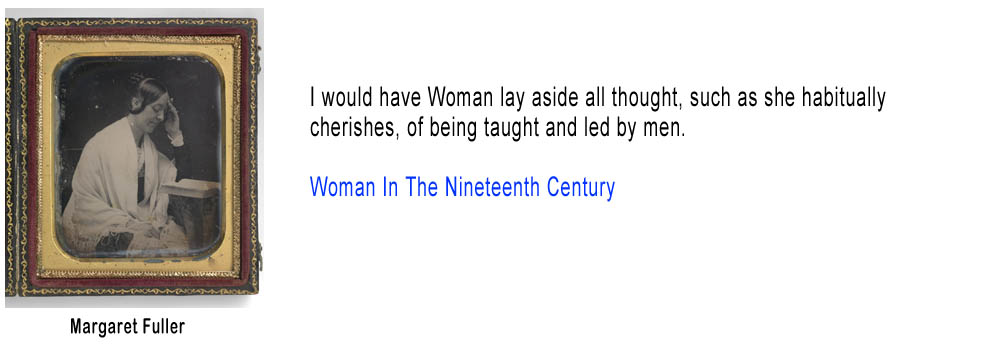
How I Caught William James Plagiarizing Himself
William James (1842-1910) was one of the leading thinkers of the late nineteenth century and one of the most influential philosophers the United States has ever...