





















Most Recent Posts
How Much Is That Picasso In The Window? Tax Court Says Quite A Bit
The Picasso ended up selling for $12,297.874 (hammer price of $11,484,000 plus $1,443,874 paid by the buyer to Christies). Here is a video of the auction – In the Saleroom: Pablo Picasso’s Tete de femme (Jacqueline). It strikes me as pretty subdued and the numbers are a little less dramatic being in pounds and all. I found the bidding for Volume III of The Dial at Elizabeth’s Auctions more exciting, but of course it was my own seven hundred bucks that was in play there.
In case you can’t do compound interest in your head, that is appreciation of over 15% since 1981.

World Class Rider Does Not Insure Allowable Tax Losses In Horse Case
As I have mentioned often, everything I know about the horse business, I have learned from reading tax decisions. Conservatives of the Tea Party ilk believe they were targetted by the IRS for persecution. All I can say is they should be thankful they are not money-losing equestrian types. Interestingly, horse people often win in Tax Court, unlike Amway Independent Business Owners, who pretty much always lose.
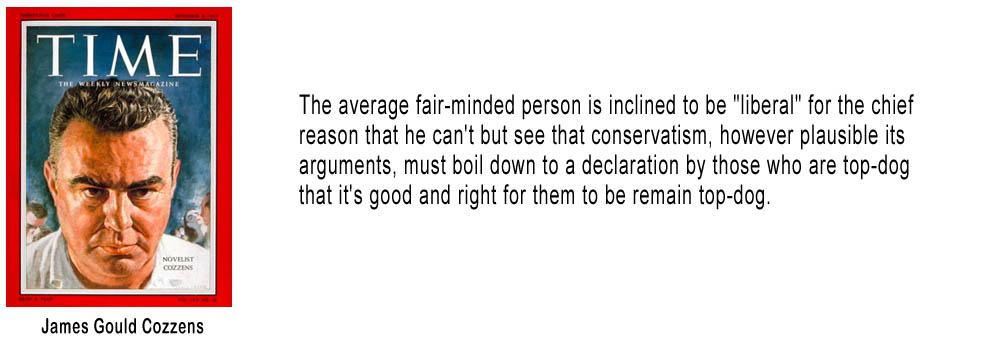
Reading Boswell’s Life Of Johnson With James Gould Cozzens
Imagine being able to look over the shoulder of your favorite author as he reads a book that you and he both like. Well I just had a an experience a bit like...
Give’m Hell 54th – On Confederate Monuments In New Orleans
I met Michael Schaffner at the kick-off point of the sesquicentennial of the Harrisburg Grand Review of the United State Colored Troops in November. He and I had both...

Did You Hear The One About Bernie Sanders And Kent Hovind Walking Into A Tax Blog?
One of the things that is just a bit disconcerting to me is that the core of this blog ends up not being the most popular part. I at least look and read a high percentage of federal tax cases and also many state cases. In the process I uncover many stories that otherwise go largely unremarked. Those tend to not be my most popular posts, but I suspect that is what sustains my core readership. There are actually some valuable lessons in many of those posts. I have no intention of changing my ways, as I feel inclined to do all that reading to serve my clients anyway and I can’t resist sharing the really interesting stories even when they end up being seen by hundreds rather than tens of thousands.
Bernie Sanders And The 90% Income Tax Rate That He Does Not Call For
Republicans seem to alternate between a libertarian paradise or some sort of vision of how things must have been in 1795 when the Founding Fathers were still keeping an eye on things. Bernie Sanders wants us to have an economy like it was in the sixties and early seventies, when a summer of hard work could pay a year’s tuition and there were plenty of factory jobs that would support a family. Of course that post-World War II golden age might also prove elusive due to demographic changes and the rest of the world catching up with the United States.

Technology Officer Loses Appeal On Capital Gains Treatment From Sale To Google
The main lesson is that you really should get your documentary ducks in a row, before you sign off an agreement. But when you are a small piece of a large deal and you are planning to work for the acquirer the amount of leverage you have is limited. It is really tough to fly in the face of a W-2. The better strategy might have been to pay the tax upfront and then amend and sue for refund. That would have eliminated the penalty exposure and also put the initial decision in district court rather than with the Tax Court.
Venus Flytraps And Elusive Gator On Golf Course Not Worth Millions In Tax Deductions
Rather than attack valuation in this case the IRS argued that the donation did not actually address any of the “conservation purposes” that allow a deduction for contribution of less than an entire interest in real estate. Those purposes are – preservation of land areas for outdoor recreation by, or the education of, the general public – protection of a relatively natural habitat of fish, wildlife, or plants, or similar ecosystem – preservation of open space for the scenic enjoyment of the general public or pursuant to clearly delineated governmental conservation policy – preservation of a historically important land area or a certified historic structure.

On Becoming Unstuck In Time
Listen. Pete Reilly has come unstuck in time. I've been thinking about easing up just a bit on forbes.com to start to get with some of the projects I have assigned...
Sumner Redstone Liable For Tax On Long Ago Gift
It seems like a really good argument, but it went nowhere. What is disturbing about this is that if you have a tax assessed and you don’t pay it, the IRS has ten years to collect it from you and then you are home free. (I don’t recommend that as a strategy, by the way, even though the current disarray at IRS is making it more practical) It does seem that there should be some limit on when they can come after you about an unfiled return.