


















This was originally published on PAOO on September 6th, 2010.
When I titled this blog Passive Activities and Other Oxymorons, it was by no means, because I intended to write only on the passive activity loss rules. If I was going to totally devote myself to one tax topic it would be the capital account maintenance rules of 704(b) (That blog would be titled “Minimum Gain – Maximum Pain”). Fortunately, I once saw the slides of a presentation of someone else who is passionate about those rules. I think they also had a thing for 704(c). One of the slides practically screamed “There is no such thing as negative basis”. I feel a certain bond with that person, but I’m really not anxious to meet with them.
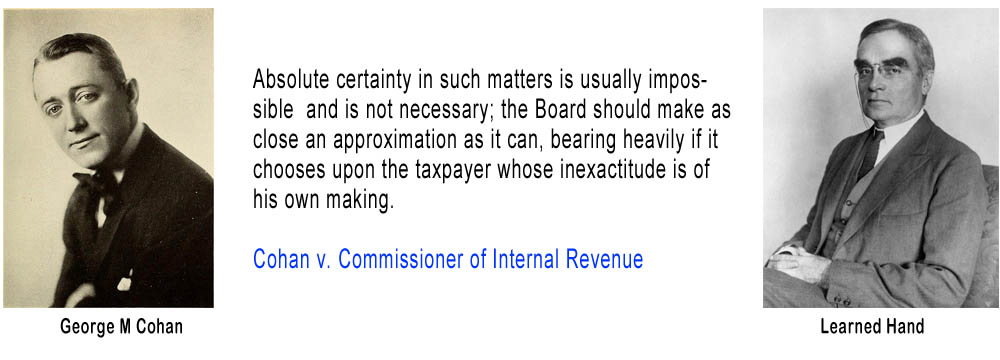
At any rate the passive activity loss rules do seem to be cropping up quite a bit. In a recent case which I’m thinking doesn’t merit its own post (Gregory J. Bahas, et ux. v. Commissioner, TC Summary Opinion 2010-115) Linda Bahas tried to use the real estate professional exception. She hadn’t made the aggregation election and the services she provided were as an employee not as a business owner. Other than that Mrs. Lincoln how did your enjoy the play ? At least she didn’t have to put up with the court telling her she was ballpark guestimating her time.
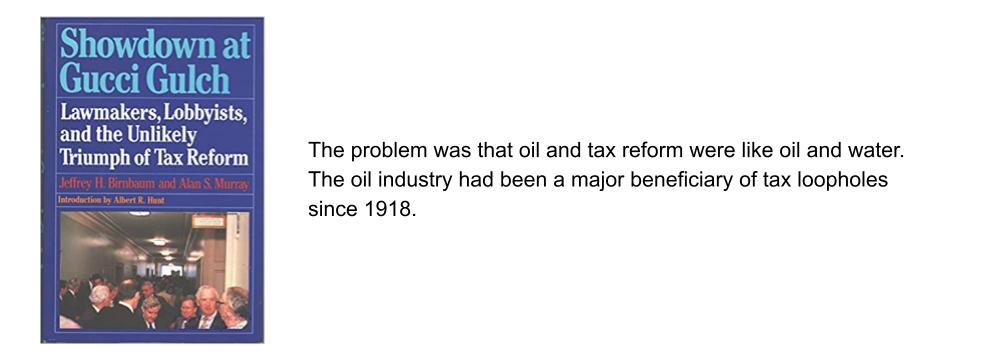
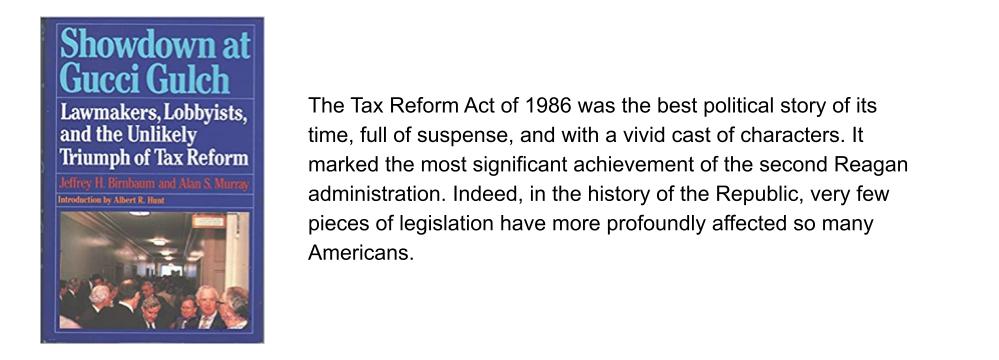
There is some good news, though. A quick review of the context might be in order first. The passive activity loss rules were created more or less out of whole cloth by the Tax Reform Act of 1986. They require us to sort trade or business activities into those in which we materially participate and those in which we don’t. One of the concepts in the rules is that rental activities are per se passive. This may have been an example of someone getting their notions about reality from watching TV infomercials about making a fortune in real estate with no capital and very little work. Regardless, my philosophy about tax rules is that they are what they are. In the early 1990’s relief from the per se passive rule was granted to real estate professionals.
In order for this relief to be effective, though, it is frequently necessary for them to elect to aggregate all their real estate activities. Without the election they would have to establish material participation in each property. Donald Trask (TCM 2010-78) was able to establish that he spent enough time to be considered a real estate professional, but he had not made the election and his time was spread over 33 properties.
PLR 201033015 was addressed to taxpayers who were qualified but had failed to make the election. Since they had relied on a tax preparer who had failed to advise them of the necessity of making the election, the service granted them an extension of time to make it.
If you have been posting negative numbers from real estate investments to your return on the theory that you or your spouse is a real estate professional, you should make sure that you have made the election. If not you may want to consider requesting relief. Furthermore, I generally believe in keeping tax returns indefinitely, but if you must dispose of some of them, be sure to keep the return for the year that you made the election. It is relevant for all future returns in which you are claiming its effect and I know from experience that you cannot rely on the IRS to preserve it for you.