





























Image by Grok
Guest post by Rita Harris
For local business owners and operations leads managing tight business budgeting decisions, the hardest part of any business equipment investment is that the initial purchase price is the loudest number in the room. That focus creates a total cost of ownership misconception: cheaper upfront feels safer, even when it quietly increases cost evaluation challenges later. When equipment underperforms, needs constant attention, or forces early replacement, the savings were never real, they were just delayed. A clearer way to judge equipment choices protects cash flow and planning.
Understanding Total Cost of Ownership
Total cost of ownership is the full bill you pay over an asset’s working life, not just the receipt on day one. It adds up what it takes to keep equipment running, including maintenance labor and parts, downtime impact, energy use, slowdowns that reduce output, and the cost of replacing it sooner than planned. This matters because the “cheapest” option can drain cash in small, frequent hits that are hard to budget for. When a machine is down, you often pay twice: once for the repair and again for missed work, overtime, or unhappy customers.
Think of two similar tools: one needs constant fixes and runs hot, while the other runs steady with fewer interventions. The surge in the predictive maintenance market reflects how many operators focus on reducing those ongoing costs. With these cost drivers clear, an edge server example makes the tradeoffs easier to see.
See How Service-Friendly Edge Servers Lower Lifetime Costs
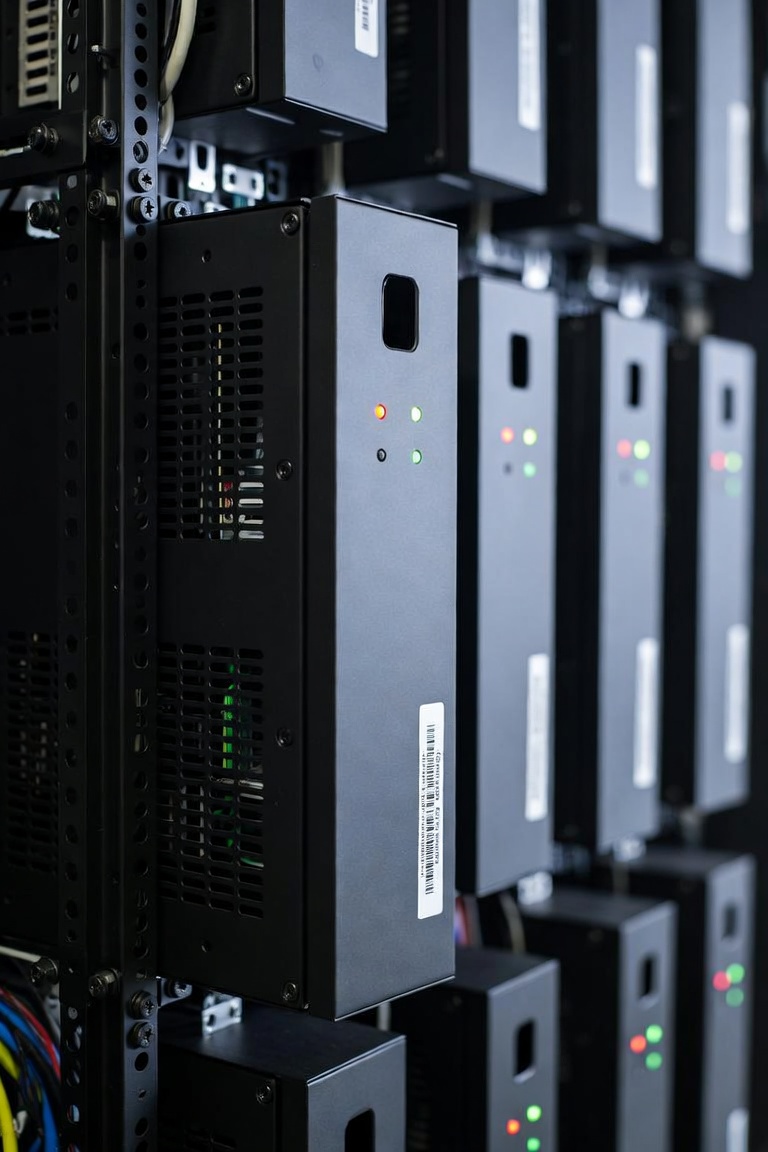
Once you start viewing equipment through total cost of ownership, design choices that reduce service effort and downtime become easier to spot. A practical example is a rackmount industrial edge server with remote management that doesn’t add ongoing license fees and is built for straightforward on-site service. Remote management without a license fee can cut the time and cost of routine oversight because teams can monitor, troubleshoot, and regain control without rolling a truck. Pair that with on-site replaceable components, and a minor failure is less likely to trigger a costly service visit or extended outage, savings that are easy to miss when two options look similarly priced upfront.
Equipment Cost FAQs: Avoiding Long-Term Surprises
Q: What costs do people forget when they only compare purchase prices?
A: The usual misses are downtime, technician time, shipping for replacements, and the time your team spends troubleshooting. Depreciation can also be a major “silent” expense, and in vehicles it can represent 43% of total cost of ownership. Build a simple checklist that forces each quote to include service, spares, and expected replacement timing.
Q: How can cheap equipment increase downtime risk?
A: Lower-cost units may have weaker components, poorer cooling, or limited diagnostics, which can turn small faults into longer outages. Ask vendors for failure rates, warranty terms, and what a typical repair involves. If the fix requires shipping the whole unit, budget for lost productivity, not just the part.
Q: When does paying more upfront usually make sense?
A: It often pays off when the equipment supports revenue, safety, or customer promises where interruptions are expensive. Prioritize serviceable design, strong warranty coverage, and features that reduce hands-on support. A quick test is to calculate what one hour of downtime costs your operation.
Q: Can I budget for long-term costs without perfect data?
A: Yes. Start with ranges for maintenance hours, likely failure points, and replacement cycles, then update the model after 30 to 90 days of real usage. Track a few metrics like incidents per month, mean time to repair, and spare parts spend.
Q: Should I lease or buy to reduce risk from hidden costs?
A: Leasing can help if it bundles maintenance, caps repair exposure, or makes refresh cycles predictable, but it can also bake costs into higher payments. Compare scenarios using the same assumptions for uptime, service labor, and end-of-term options. The best choice is the one that makes total spend and accountability clearest.
Use a 6-Point TCO Checklist Before You Buy Equipment
A low sticker price can still be the most expensive option once repairs, downtime, and inefficiency show up. Use this six-point total cost of ownership (TCO) checklist to evaluate equipment beyond price and reduce the “surprise” costs you just read about in the FAQs.
1. Define the job and set “must-have” selection criteria: Write down the workload, duty cycle, environment (dust, heat, moisture), and required output quality. Then convert that into pass/fail criteria like capacity range, acceptable noise/heat levels, compatible consumables, and required safety features. This prevents buying a “deal” that can’t reliably do the work, which is one of the fastest paths to premature replacement.
2. Estimate service needs with a simple maintenance calendar: Ask for the maintenance schedule in writing and list every recurring item: inspections, lubrication, calibration, filters, belts, and software/firmware updates. Put dollar placeholders next to each line item and confirm who can perform it (in-house vs. authorized service). This is practical cost management in action, if you can’t maintain it easily, you’ll pay later in rushed service calls.
3. Price downtime like a real line item (not a gut feel): Choose a downtime rate: lost revenue per hour, or labor cost per hour for idle staff, plus any penalties (missed deadlines, spoilage, customer credits). Multiply by a realistic failure scenario such as “8 hours once per quarter” and compare vendors on expected disruption, not just warranty length. This turns the hidden-cost concept from the FAQ into a number you can weigh during purchasing decisions.
4. Compare energy and efficiency using your actual usage pattern: Request energy consumption specs and translate them into monthly cost using your local rate and estimated run hours. Look for efficiency features that match how you operate, variable
speed, standby modes, better insulation, faster cycle times, because savings depend on use, not marketing. Even small habit changes can matter over time; guidance on conserving energy is a useful reminder that operating choices are part of TCO, not just the equipment label.
5. Plan replacements and end-of-life costs upfront: For each finalist, note expected life, lead time for parts, disposal fees, and whether you’ll need a temporary rental during replacement. Build a “replacement reserve” by dividing expected replacement cost by
months of useful life and treating it like a monthly expense. This is long-term cost planning that makes upgrades predictable instead of urgent.
6. Commit to updating your TCO after purchase: Track repairs, parts spend, energy, and downtime for the first 90 days, then quarterly. The idea that assumptions are not always correct matters here, when real performance differs from expectations, update
your model and use it to guide the next purchase (or standardize what you buy across locations). Over time, this feedback loop becomes your best defense against repeating expensive mistakes.
Make Total Cost of Ownership the Default Buying Standard
Cheap equipment can look like a win on today’s invoice, yet the financial impact of ownership costs often shows up later in service, downtime, energy use, and early replacement. A total cost of ownership mindset keeps business purchasing decisions tied to real operating conditions, not just sticker price, and it strengthens equipment investment strategies by making tradeoffs explicit. When TCO leads the conversation, quotes become easier to compare, surprises shrink, and budgets get more predictable year after year. The lowest price rarely delivers the lowest total cost.
As the creator of socialworklife.org , Rita Harris views social work as an incredibly challenging yet deeply rewarding career. She considers it a privilege to witness stories transform from heartbreak to happiness, while remaining deeply aware of the daily trials and systemic obstacles social workers face on the ground.